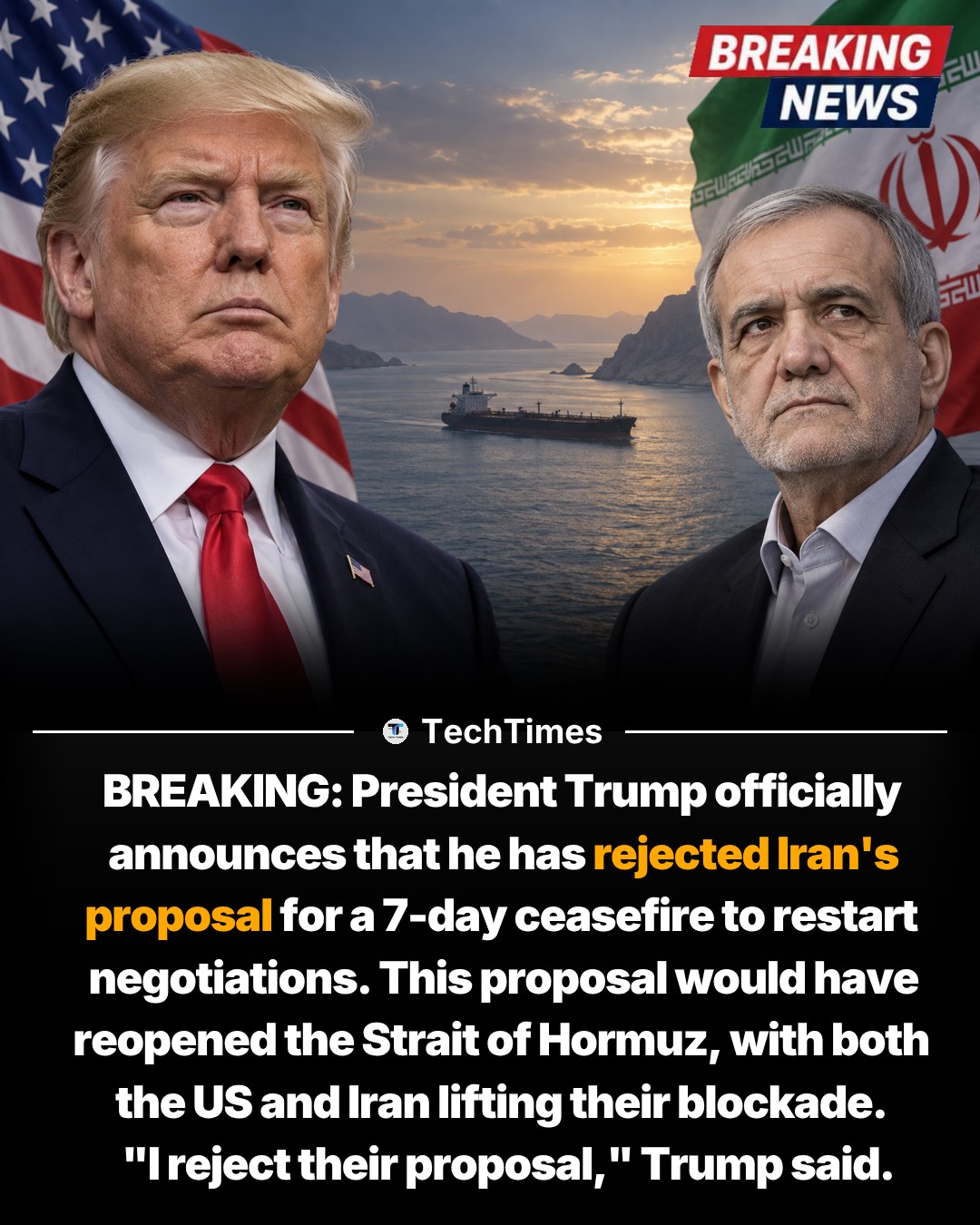
Trump's rejection of Iran's ceasefire proposal marked a sudden shift in diplomatic standoff. The proposal, aimed at restarting negotiations and reopening critical waterways, was swiftly dismissed by the U.S. president. Officials from Iran had proposed a 7-day ceasefire to reopen the Strait of Hormuz, a crucial maritime route, in exchange for lifting the mutual blockade. What it is
The Strait of Hormuz Ceasefire Proposal
For a brief moment, it seemed the status quo of animosity between Iran and the U.S. could crack open. The proposal for a 7-day ceasefire floated by Iranian officials left open for a limited window the idea of Iranian and U.S. warships standing down. At the same time, it aimed to reopen the Strait of Hormuz, the narrow chokepoint where nearly one-fifth of the world's oil flows. However, President Trump swiftly rejected it, ending the possibility of a rapid diplomatic resolution between the two adversaries. The proposal sought to restart stalled negotiations between the two countries. The text of the proposal promised both to lift their blockade of vessels in the strait — a key gateway to Middle Eastern oil — if the other side did the same. This meant Iran would halt its intermittent seizures of tankers and military vessels in the Strait. Meanwhile, Trump would have to halt the U.S. maritime blockade if the proposal had come to pass. The U.S. Navy has been active in the area to defend shipping lanes from Iranian interference. Venues for further dialogue were also proposed, signaling a willingness to reach a diplomatic resolution. Why it matters
The Enduring blockades and The Surprising Rebuff
Policymakers pundits and international observers have been watching the Ukraine war and the Gaza war, but the Strait of Hormuz has also had a long history of conflict. The Trump administration cut off Vital trade routes during its maximum pressure campaign. So it raised eyebrows that Iran would propose a 7-day ceasefire in the Straits after years of tension. The proposal for a ceasefire from Iran was shocking to many because of its swift rejection. Without negotiation for specifics, President Trump stated flatly, "I reject their proposal." It surprised even those officials with experience dealing with Middle East conflict that the U.S. did not try to get more information before dismissing the idea of a ceasefire. Analysts have debated for years both about the cause of Iran's proposal and the U.S. President's quick rejection. Deep dive
Iran's Public Proposal
With both sanctions and Iranian oil exports essentially in a halt, Iran took a significant risk in making the proposal public. Due to the U.S. government tight control of the narrative, it seemed surprising for Iran to state its goals publicly. The proposal for a ceasefire to open negotiations, and the sudden rebuff, raised more questions than they answered. The U.S. stance has been firm: When it comes to negotiations with Iran, the country must first demonstrate that it will be willing to make significant concessions.
The Strait of Hormuz
The strait serves as a vital sea lane for global oil and gas trade. The proposal to reopen it and to allow shipping unblocked through this narrow chokepoint was a key point in the failed negotiations. The Strait of Hormuz is a fragile flashpoint of immense strategic importance. Iran has used the possibility of blockading this route to intimidate the United States and its allies. Iran regularly threatens to disrupt the maritime route, which has long alarmed the United States.
The Role of Blockades
The blockade, which has now persisted, has affected more than just commercial shipping. It has disrupted the world’s oil prices. The blockade has caused uncertainty in international stability. This proposal, if accepted, would have opened the possibility of a ceasefire and the restoration of a key maritime route. Practical Angle
Evaluate the U.S. Position on Iran
How can the public evaluate U.S. Iran policy? If the United States is under pressure, it's important to weigh whether the proposals offered by Iran or any other country are good for the United States. The proposal to restart negotiations and unblock shipping lanes isn't the only policy angle to consider, and the rejection of this proposal isn't the only policy move to consider.
- Do the ends justify the means? The U.S. has made it clear that it sees the wider Iran policy as a whole. If the U.S. does not believe the world would be a safer place free from Iranian aggression, the U.S. might be justified in rejecting small steps. However, if the U.S. hopes to see Iran's behavior improve the realpolitik could make the ends justify the means.
- The role of Iran in the region: The United States currently considers Iran the biggest threat in the Middle East. However, Iran’s role in the region is complex. Iran has regional allies, as well as notable enemies. The U.S. could weigh the cost of any loss of leverage by evaluating its broader interests in the region.
- Diplomatic relations: The U.S. has a history of conflict with Iran, but it also has had a long history of diplomatic frustration with Iran. The U.S. needs to assess whether this is primarily a diplomatic tool or a policy to counter a growing threat.
The Future of Middle East Policy:
The Ceasefire Proposal Reveals a Bitter Impasse The recent ceasefire proposal, and its rejection, may be an isolated incident, but it also could reveal a wider impasse. Let’s face it, the Middle East has had conflicts that have outlasted every generation. War and tension have been the norm. The question might not be whether future negotiations are possible, but whether the US and Iran can work together to achieve a more peaceful future for all.
Questions readers ask
What was the significance of the Strait of Hormuz in Iran's ceasefire proposal?
The Strait of Hormuz is a crucial maritime route for global oil flow, and Iran's proposal aimed to reopen this vital waterway, which is a narrow chokepoint for nearly one-fifth of the world's oil. By reopening the strait, Iran sought to ease tensions and restart negotiations with the U.S.
How did the Trump administration respond to Iran's ceasefire proposal?
The Trump administration swiftly dismissed Iran's ceasefire proposal without engaging in further negotiations. President Trump's rejection came as a surprise to many, as it ended the possibility of a rapid diplomatic resolution between the two adversaries.
What did Iran offer in exchange for the U.S. lifting the blockade of vessels in the Strait of Hormuz?
Iran proposed a 7-day ceasefire during which it would halt its intermittent seizures of tankers and military vessels in the Strait of Hormuz. In return, it sought the lifting of the U.S. maritime blockade, which involved the U.S. Navy actively defending shipping lanes from Iranian interference.
What was the U.S. stance on negotiations with Iran before the ceasefire proposal?
The U.S. stance has been firm, demanding that Iran demonstrate a willingness to make significant concessions before any negotiations could begin. This stance likely influenced the swift rejection of Iran's ceasefire proposal, which did not explicitly address these preconditions.
Why was Iran's public proposal for a ceasefire considered risky?
Iran's public proposal for a ceasefire was risky because of the U.S. government's tight control of the narrative and the significant concessions Iran would need to make to restart negotiations. By making the proposal public, Iran took a significant risk, especially given the U.S.'s firm stance on negotiations.
What was the potential impact of the ceasefire proposal on global oil trade?
The ceasefire proposal, if accepted, could have significantly impacted global oil trade by reopening the Strait of Hormuz, which is a vital sea lane for global oil and gas trade. This would have allowed for the unblocked shipping of oil and gas, potentially easing tensions and stabilizing global oil markets.
Related deep dives
Similar reads based on topic and creator.


Recent articles
Fresh deep dives from the latest Reels we unpacked.




Comments
Be the first to comment.