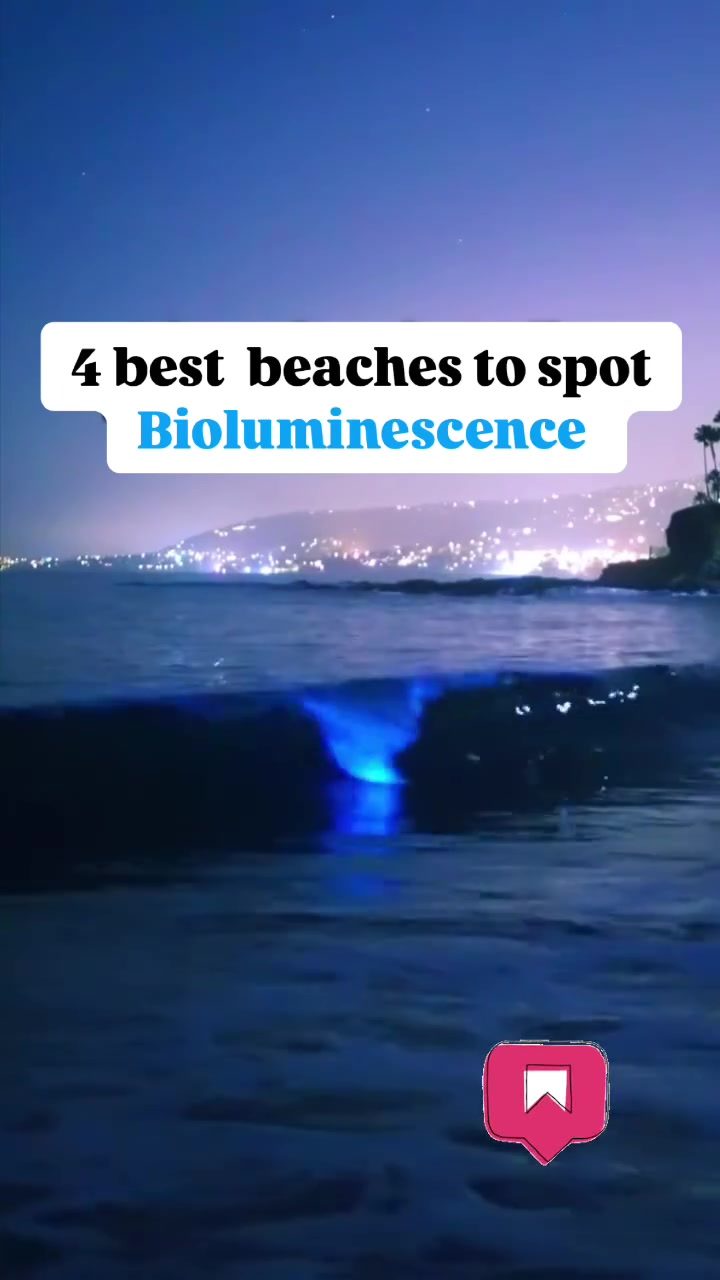
Bioluminescence Beaches: Nature's Light Show
Bioluminescence is a natural phenomenon where organisms produce and emit light through a chemical reaction. This light show can be observed in various parts of the world, including certain beaches where the water glows with an ethereal blue light. These beaches are not only stunning to witness but also offer a unique opportunity to experience one of nature's most captivating spectacles.
Why This Matters
Bioluminescence beaches are more than just a pretty sight. They serve as a reminder of the incredible diversity and complexity of life on Earth. The bioluminescent organisms that create this effect are often microscopic and play a crucial role in marine ecosystems. Understanding and preserving these environments is vital for maintaining biodiversity and ecological balance.
The Science Behind Bioluminescence
The Chemical Reaction
The glow observed in bioluminescent beaches is the result of a chemical reaction involving a light-emitting molecule and a catalyst protein. In marine environments, this reaction typically occurs in dinoflagellates, a type of plankton. When these organisms are disturbed, they emit light as a defense mechanism. This can happen naturally through wave action or artificially when people wade through the water.
The Role of Dinoflagellates
Dinoflagellates are single-celled marine plankton that produce bioluminescence. They are found in various marine environments, including beaches, open oceans, and coastal waters. When these organisms are agitated, they produce a flash of light. This reaction is not harmful to the organisms and is a natural way for them to communicate or ward off predators.
Where to Spot Bioluminescence
Mulki, Karnataka
Mulki Beach in Karnataka, India, is one of the best places to spot bioluminescence. Located near the city of Udupi, this beach is known for its clear waters and the stunning display of blue light that illuminates the shore at night. The best time to visit is during the monsoon season when the water is calm and the bioluminescence is most visible.
Betalbatim Beach, Goa
Betalbatim Beach in Goa, India, is another popular spot for witnessing bioluminescence. This beach offers a unique experience with its soft, glowing waters that create a mesmerizing effect. The best time to visit is during the night, when the water is agitated by waves, releasing the bioluminescent glow.
Havelock Island, Andaman
Havelock Island in the Andaman and Nicobar Islands is known for its pristine beaches and clear waters, making it an ideal location for spotting bioluminescence. The island's remote location and lack of pollution contribute to the clear visibility of the glowing waters, providing a breathtaking experience.
Practical Tips for Viewing Bioluminescence
Timing Your Visit
The best time to observe bioluminescence is during the new moon phase when there is minimal natural light. This allows the bioluminescent glow to be more visible. Additionally, visiting during the night when the water is calm and free from disturbances can enhance the viewing experience.
Weather Conditions
Weather plays a crucial role in the visibility of bioluminescence. Calm nights with minimal waves and clear skies are ideal for spotting the glow. Avoid visiting during stormy or windy conditions, as these can agitate the water too much, making it difficult to see the bioluminescent effect.
What to Bring
Bring a flashlight with a red filter to help you navigate the beach without disturbing the bioluminescent organisms. Wearing dark clothing can also help you blend into the environment and avoid disrupting the natural light show.
Respecting the Environment
It's essential to respect the environment and the bioluminescent organisms. Avoid using phosphorescent substances, as they can interfere with the natural glow. Additionally, be mindful of your movements in the water to minimize disturbing the plankton.
Important Takeaways
Bioluminescence beaches offer a unique and breathtaking experience. They are a testament to the wonders of nature and the intricate web of life that exists in marine environments. By understanding the science behind bioluminescence and knowing where to spot it, you can fully appreciate this natural phenomenon. Always remember to respect the environment and preserve these delicate ecosystems for future generations to enjoy.
Conclusion
Witnessing bioluminescence is a magical experience that connects you with the natural world in a profound way. Whether you visit Mulki, Betalbatim Beach, or Havelock Island, the ethereal glow of the bioluminescent waters will leave you in awe. By understanding the science behind this phenomenon and following best practices for viewing, you can make the most of this incredible experience.
Questions readers ask
What causes the glowing waves at bioluminescent beaches?
The glowing waves at bioluminescent beaches are caused by tiny marine organisms called phytoplankton. These organisms produce light through a chemical reaction when they are disturbed, creating a mesmerizing blue glow in the water.
Why does the bioluminescence phenomenon occur?
Bioluminescence in marine life occurs due to a chemical reaction involving a light-emitting molecule and an enzyme. This process is often used by organisms for communication, attracting prey, or deterring predators.
Which beaches are known for their bioluminescent waves?
Some of the world's most famous bioluminescent beaches include Mosquito Bay in Puerto Rico, Waitomo Glowworm Cave in New Zealand, and Mulki Beach in India. Each of these locations offers a unique experience of nature's blue glow.
What is the best time to see the bioluminescence?
The best time to see the bioluminescence at these beaches is typically on a dark, moonless night. This is because the lack of moonlight makes the natural glow of the water more visible. Additionally, certain times of the year may offer better viewing conditions due to the increased presence of bioluminescent organisms.
How can visitors experience the glowing waves at Mulki Beach?
Visitors can experience the glowing waves at Mulki Beach by taking a guided tour or boat ride during the night. Local tour operators often schedule these trips during peak bioluminescent periods, providing a safe and informative way to witness this natural spectacle.
Is bioluminescence harmful to humans?
No, bioluminescence is not harmful to humans. The light produced by these organisms is a result of a natural chemical process and poses no threat to human health. However, it's always important to respect the environment and marine life while visiting these areas.
What role do bioluminescent organisms play in the ecosystem?
Bioluminescent organisms play a crucial role in marine ecosystems. They are often at the base of the food chain, serving as a food source for other marine life. Additionally, their light-producing capabilities can influence the behaviors of other organisms, contributing to the overall balance of the ecosystem.
Related deep dives
Similar reads based on topic and creator.

Recent articles
Fresh deep dives from the latest Reels we unpacked.



Comments
Be the first to comment.