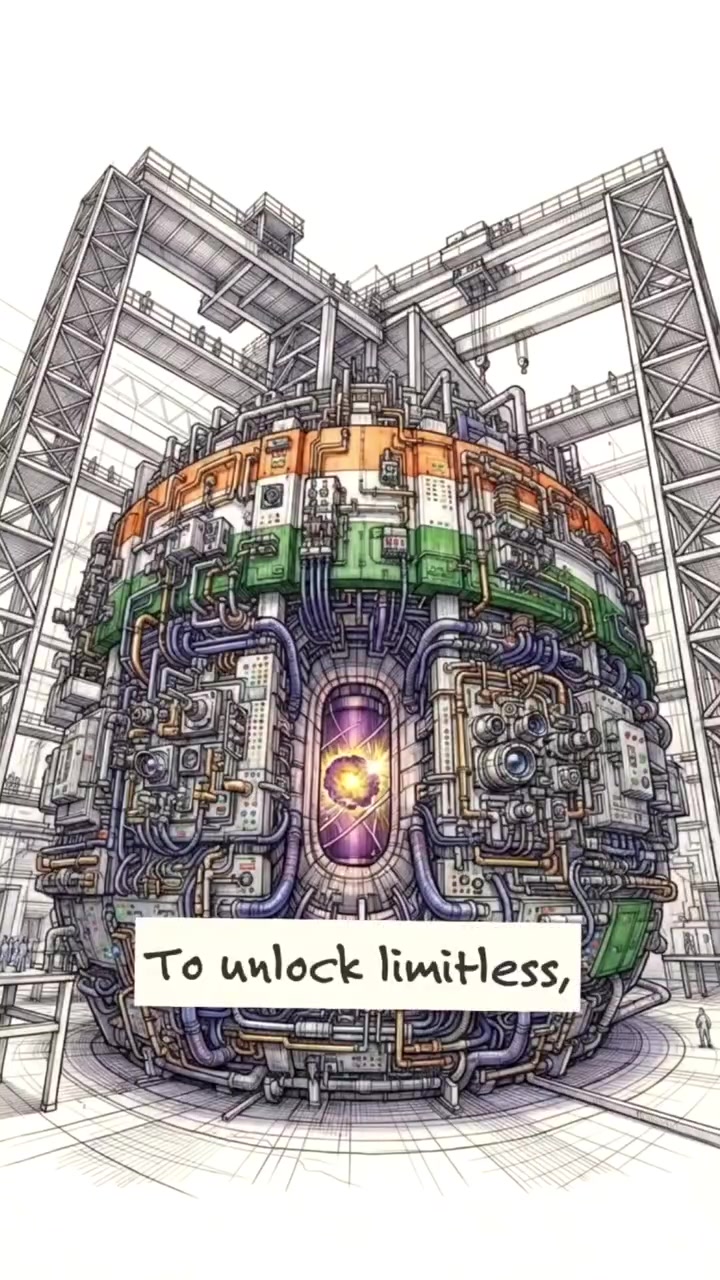
Scientists are pioneering artificial suns, known as tokamaks, to tap into an energy source that holds the promise of endless power. Tokamaks, donut-shaped devices designed to recreate the nuclear fusion that heats the sun, can generate vast amounts of energy with minimal environmental impact. While private firms are achieving significant milestones, the challenge lies in maintaining the extreme temperatures needed to initiate and maintain a sustainable fusion reaction.
The Mechanization of Stars
Tokamaks, the machines at the heart of fusion energy research, are complex devices resembling a donut. Inside that donut, the path to harnessing fusion energy begins with a puff of hydrogen gas, barely detectable. Once the gas enters the vacuum chamber, superconducting coils generate a twisted magnetic field that keeps the ionized gas suspended midair. Scientists refer to this as a magnetic field cage, which prevents the superheated gas from touching the chamber walls and melting. This magnetic cage is essential for containing the intense heat generated by fusion. The captivated gas has particles that slam into each other, simulating a miniature star's temperature conditions (hundreds of millions of degrees), but the magnetics alone can't push the temperature high enough to initiate a reaction. To counteract this, scientists fire a high-frequency microwave beam, generated by a device called a gyrotron. This beam resonates with electrons in the gas cloud, superheating it and encouraging the ions to fuse. The resulting energy is then harnessed for use. While holding the heat without melting the reactor's metal walls, scientists reach hundreds of millions of degrees inside the chamber. In India, the ST-1 Tokamak reactor recently upgraded its gyrotron to boost energy to enhance its clean energy race. Though these machines are essential, they are inherently challenging to construct and operate. The technology needed to harness fusion makes the problem's scale exceptionally demanding.
Promise of the clean energy revolution
Powered by the same nuclear fusion that lights up the sun, fusion energy promises to revolutionize the way the world produces electricity. Currently, fossil fuels dominate the energy market, but their environmental impact is undeniable. In contrast, fusion power offers a clean, abundant energy source with virtually no greenhouse gas emissions. The SSST-1 reactor's advancements highlight the potential for a future where clean energy is within reach. Even though fusion energy is in its early stages of development, once the reaction becomes self-sustaining, it could provide limitless power.
Breakthroughs and Hurdles
Fusion energy is a hot topic both in government-owned labs and private startups. Indian government recently upgraded its tokamak (ST-1) gyrotron, a powerful high-frequency microwave generator device that superheats the gas. The private sector is also making headlines: startups like Pranos Fusion successfully generated their first superheated gas in a compact testbed. Private startups are also seeing new momentum. While the race for clean energy is on, the success of these tokamaks lies in their ability to maintain a stable plasma and generate more energy than they consume. Before a tokamak-powered energy plant achieves economic viability, scientists have to achieve energy gain, where the reactor releases more energy than it takes in.
The physics of harnessing energy
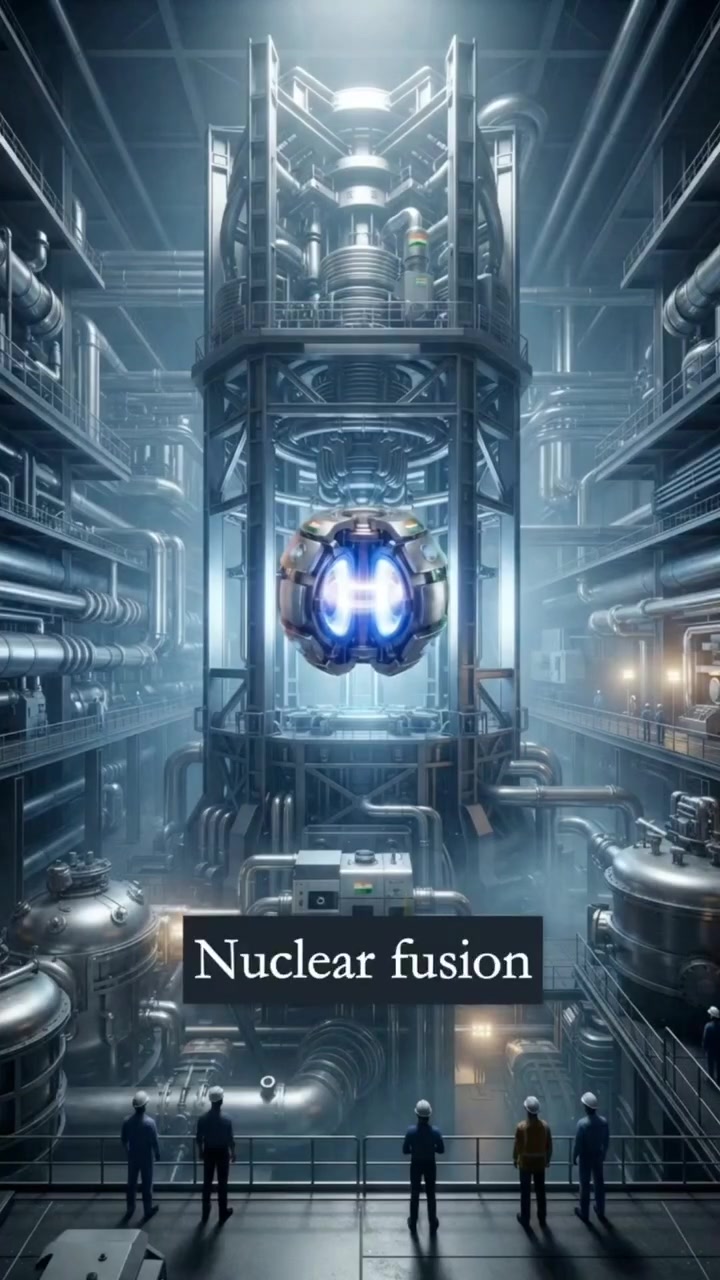
The vacuum chamber is the heart of a tokamak reactor. With the vacuum environment, scientists can easily control the temperature and pressure of the hydrogen gas. The superconducting coils that generate the twisted magnetic field are crucial for keeping the plasma suspended and confined within the chamber. The gyrotron, a device that fires waves, is essential for driving the temperature of the plasma higher. The plasma is a fourth state of matter, consisting of superheated ions and electrons.
The Advantages of Modern Tokamaks
Modern Tokamaks are designed to optimize energy production, with advanced materials and improved superconducting coils. The tokamaks are designed with advanced materials and improved superconducting coils that can withstand extreme temperatures and pressures. By controlling the plasma with precision engineering techniques, scientists can achieve a higher core temperature, enhancing energy production. This process is essential for maintaining a stable plasma and achieving energy gain.
Practical Steps to Recognizing fusion
Realistically, the first fusion-powered energy plants are still years away. However, supporting research and development in fusion energy is crucial. This can take many forms
- Support government-funded research: Governments worldwide, including India, are investing in fusion energy research. Supporting these initiatives can help accelerate the development of fusion energy.
- Invest in startups: Private startups like Pranos Fusion are also making significant strides in the field. Investing in these startups can provide the necessary funding to bring fusion energy to the market.
- Advocate for policy changes: Policymakers play a crucial role in shaping the future of energy. Advocating for policies that support renewable energy, including fusion, can help create a more sustainable world.
- Educate the public: Raise awareness about the potential of fusion energy and the importance of supporting research and development.
- Volunteer or work in the field: Contributing time and expertise to fusion energy research can help accelerate its development.
Questions readers ask
What exactly is a tokamak, and why do they look like donuts?
A tokamak is a device used to contain and control the nuclear fusion process. It's shaped like a donut to create a continuous magnetic field that helps to suspend and heat the plasma, which is the hot, charged gas where fusion takes place. This unique shape is crucial for maintaining the stability of the plasma and preventing it from touching the reactor walls.
How do scientists manage to keep the plasma from melting the reactor walls?
Scientists use a combination of magnetic fields and precise control mechanisms. Superconducting coils generate a twisted magnetic field that creates a 'magnetic cage' to suspend the plasma midair. Additionally, a high-frequency microwave beam from a gyrotron superheats the plasma, encouraging fusion without letting the extreme heat touch the reactor walls.
What role does the gyrotron play in the fusion process?
The gyrotron is a crucial device that generates high-frequency microwaves. These microwaves resonate with the electrons in the plasma, superheating it to the extreme temperatures needed to initiate fusion. The recent upgrade to the ST-1 Tokamak's gyrotron in India is aimed at enhancing its ability to achieve and maintain these temperatures.
Can private companies really compete with government labs in fusion energy research?
Absolutely. Private companies are making significant strides. For instance, startups like Pranos Fusion have successfully generated superheated gas in compact testbeds, showing that innovative private ventures can achieve milestones similar to those of government labs. This competition is driving rapid advancements in the field.
Why is maintaining the fusion reaction a significant challenge?
The main challenge is sustaining the extreme temperatures required for fusion—hundreds of millions of degrees. This involves not only generating the heat but also containing it without melting the reactor walls. The complexity of the technology and the precision needed to maintain these conditions make it a demanding task.
How does fusion energy compare to traditional energy sources in terms of environmental impact?
Fusion energy offers a clean and abundant energy source with virtually no greenhouse gas emissions, unlike fossil fuels. This makes it a highly promising candidate for a sustainable energy future. Once the fusion reaction becomes self-sustaining, it could provide limitless power without the environmental drawbacks of current energy sources.
What are the next steps for tokamak technology and fusion energy research?
The next steps involve optimizing the technology to make the fusion reaction self-sustaining and more efficient. This includes improving the gyrotron technology, enhancing magnetic field control, and developing materials that can withstand the extreme conditions. The race is on, with both government labs and private startups working to overcome these challenges.
Related deep dives
Similar reads based on topic and creator.


Recent articles
Fresh deep dives from the latest Reels we unpacked.




Comments
Be the first to comment.