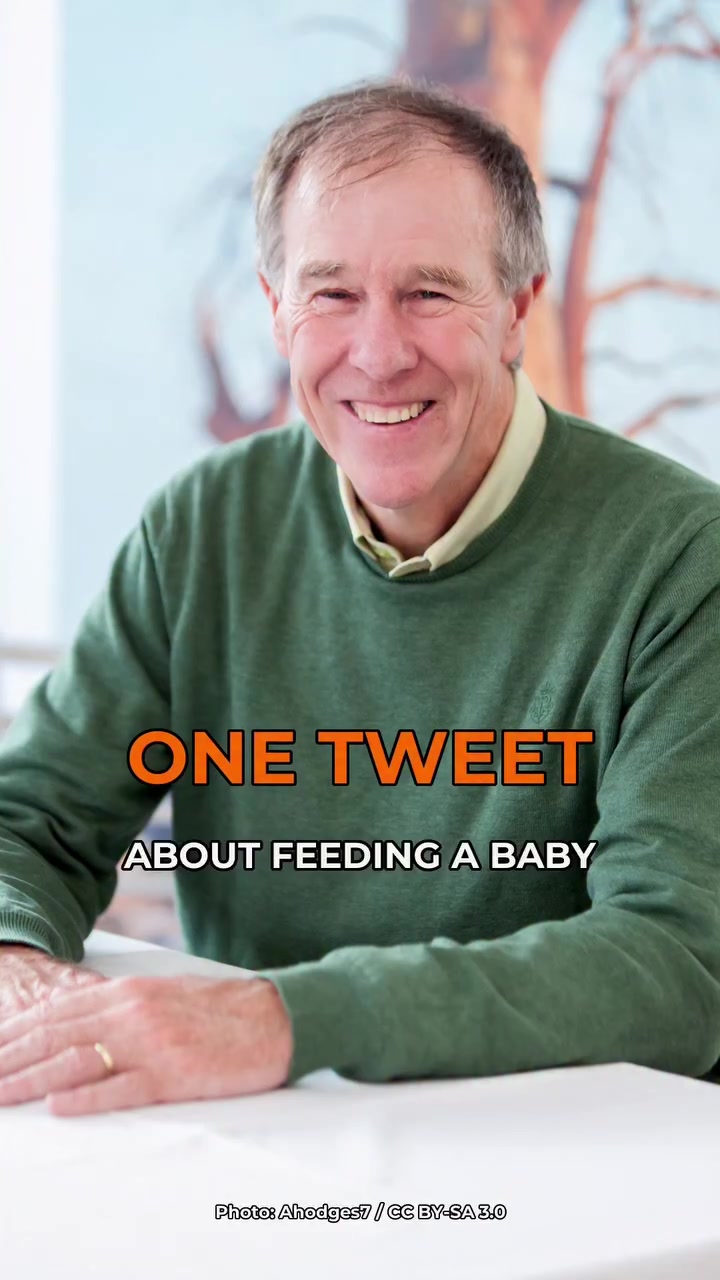
The career of a world-famous scientist changed dramatically with a single tweet in 2014. Dr. Tim Noakes, renowned for pioneering carb-loading regimens that powered a generation of runners, found himself in hot water when he advised a new mother on Twitter. The subject: whether a low-carb diet is safe for breastfeeding. The advice: "The breast milk does the work. Just wean the child onto real food, not sugary cereal." This seemingly benign tweet triggered a four-year legal battle, landing Noakes in trouble as a senior dietician reported him to the health council. The accusation: unprofessional conduct and harm.
The Feud Over Food and Science
Noakes' troubles began after his shift from advocating a high-carb diet to promoting low-carb regimens. This switch came after reviewing the evidence and deciding his earlier stance was flawed. His new diet, he said, transformed his own health. The shift to low-carb advice was not universally welcomed and it was the tweet questioning the dangers of a low-carb diet while breastfeeding sparked a whole scandal. The case ultimately hinged on Noakes' decision to change his mind and share this change in public. It is a particular fear of public professions, especially those in science and medicine, that changing one's mind could be seen as a taboo or unprofessional. Many professions view a change in thinking as professional misconduct, and even when evidence proves them right, a constant evolution of thinking is seen as a sign of weakness. It is the reason why many scientists and doctors are afraid of being honest, even in social media. The case sheds light on the broader scientific community's resistance to changing deeply held beliefs. Tim Noakes defied this trend by publicly announcing his newfound knowledge about carb intake and diet. His decision to pivot from his original stance on carbs and follow the evidence has changed many lives, even if it cost him four years of his life and a fortune in legal bills. His case is a cautionary tale to young professors and scientists about the shackles of professional conformity and the rewards of intellectual honesty. It is a testament to how society and the profession can sometimes punish the very people we need the most: those who take the lead in changing the norm.
What happens when a scientist changes his mind
Noakes' legal battle revolved around the 2014 tweet. The case dragged on for years, with Noakes ultimately cleared of all charges. But the battle wasn't just about changing advice; it was about the right to change one's mind. The dietitian who reported him argued that Noakes' advice about low-carb diets and breastfeeding was dangerous.But Noakes' colleagues found that his tweet was sound and caused no harm. He was right:
The original crime
At the base of this story is how, to many people, the advice of shifting to a low-carb diet instead of a high-carb diet is what got him into trouble. Doctors and dieticians across the country felt that this advice was not only unprofessional but harmful. Why? Because just like many scientists, they were afraid of changing their mind. The idea that a doctor would change their mind on a topic as critical as nutrition was considered dangerous. The orthodoxy of the profession was shaken when a senior scientist did something that no one else would do: change his mind. The case had a profound effect on Noakes. Apart from the legal battle, this also had a significant effect on his professional life. The battle has led to the creation of a new field of news nutrition that focuses on the benefits of low-carb diets and challenging the idea that high-carb diets are the best. The field has grown significantly in the past few years, with many believing that it is the way of the future. It has also led to the creation of new professions: people who specialize in low-carb diets and nutrition.
Breaking barriers
The medical council's initial decision to prosecute Noakes because he changed his mind led to a significant backlash in many professional circles. There was a consensus that if a scientist or a doctor doesn't change his mind in response to new evidence, then he is not doing his job. The backlash, however, did not stop there. The medical field saw countless people questioning whether or not it is legal to punish someone for following the evidence. There are even suggestions that Noakes' case might lead to a reevaluation of the field of dietetics.
How to Stand Up for Science
The saga of Dr. Tim Noakes illustrates the importance of being transparent and open to new information. He did not recant his beliefs, even when his own profession tried to strip him of his license. At the end of the day, Noakes' conviction that 'changing your mind when the evidence changes is not misconduct. It is the job', should be the guiding star for all of us. The medical community's response to Noakes' shift in stance on diet can serve as a cautionary tale. Had he accepted that the science could change, there might have been no case against him. Changing one's mind has its risks, but it also brings rewards. The pay-offs of changing one's mind have been studied and shown to be a lot more advantageous. For example, changing your mind has been found to lead to better health and higher life satisfaction. Changing your mind is a challenge in today's world of science and medicine, but there are no two ways around it.
Questions readers ask
What exactly did Tim Noakes tweet that led to such a lengthy legal battle?
Tim Noakes tweeted advice to a new mother, suggesting that a low-carb diet is safe for breastfeeding. He advised, 'The breast milk does the work. Just wean the child onto real food, not sugary cereal.' This simple tweet sparked a four-year legal battle because it challenged conventional wisdom and sparked controversy in the scientific community.
Why did the tweet cause such a stir in the scientific community?
The tweet caused a stir because it represented a significant shift in Noakes' stance on diet, from advocating high-carb diets to promoting low-carb regimens. This change in opinion was seen as unprofessional by some, highlighting the broader struggle within the scientific community to accept evolving beliefs and evidence. It caused friction because it was a controversial subject, and many dieticians and doctors felt it was harmful.
How did the scientific community respond to Noakes' change in dietary beliefs?
The scientific community was divided. Some supported Noakes' shift to low-carb diets, recognizing that his change was based on new evidence. However, others viewed this change as unprofessional and harmful, demonstrating a broader resistance to changing deeply held beliefs within the scientific community. This resistance is a testament to the fear many professionals have about publicly changing their minds.
What was the outcome of the legal battle for Tim Noakes?
After a four-year legal battle, Tim Noakes was ultimately cleared of all charges. His colleagues and peers found that his advice was sound and did not cause harm. The case underscored the importance of intellectual honesty and the right to change one's mind based on new evidence, even if it challenges established norms.
What lessons can young scientists and professors learn from Tim Noakes' experience?
Young scientists and professors can learn the importance of intellectual honesty and the potential risks of challenging established norms. Noakes' experience highlights the shackles of professional conformity and the rewards of following evidence, even if it means changing one's mind publicly. It serves as a cautionary tale about the potential backlash from the scientific community when professionals choose to evolve their thinking.
Related deep dives
Similar reads based on topic and creator.



Recent articles
Fresh deep dives from the latest Reels we unpacked.



Comments
Be the first to comment.