Ancient Mayan Water Purification
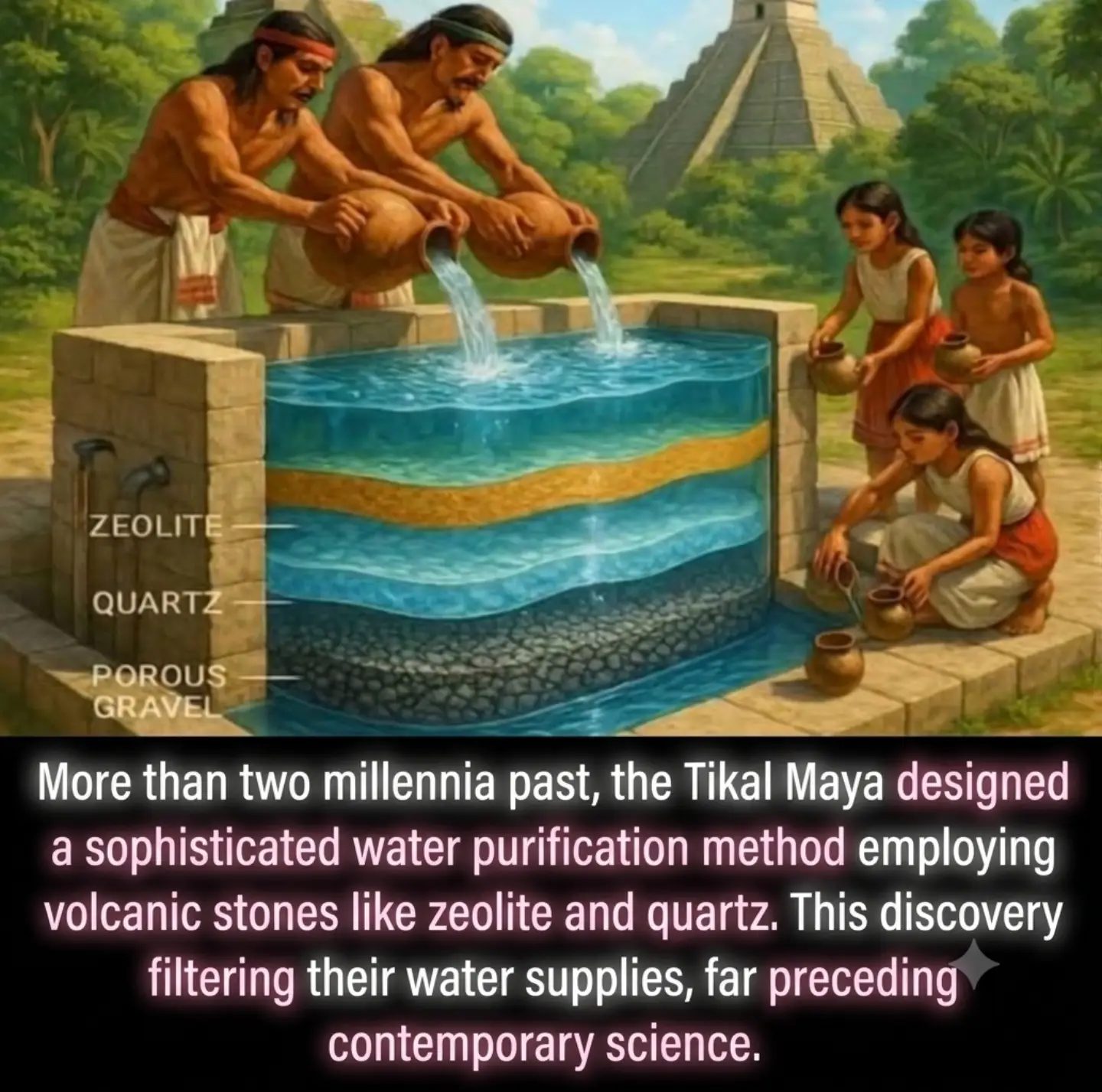
Ancient civilizations often showcase remarkable ingenuity, and the Mayan city of Tikal is no exception. Over two thousand years ago, the Tikal Maya developed an advanced water purification system that utilized volcanic stones to filter water supplies. This method predated modern science by centuries, demonstrating a level of sophistication that is still impressive today.
Context: Why this Matters
The ancient Mayan water purification system is a testament to the advanced knowledge and engineering capabilities of the civilization. Understanding this historical innovation provides valuable insights into the environmental challenges faced by ancient communities and their innovative solutions.
Main Discussion
The Engineering of the Mayan Water Purification System
The Mayan water purification system in Tikal involved multiple layers of volcanic stones, including zeolite, quartz, and porous gravel. Each of these materials played a crucial role in the filtration process.
Zeolite: This is a porous mineral that can absorb and trap impurities, making it an effective filtering agent. Zeolites are known for their ability to remove heavy metals and other contaminants from water, ensuring a cleaner water supply.
Quartz: Quartz is a hard, durable mineral that can filter out larger particles and sediment. Its fine texture helps in trapping impurities, allowing only clean water to pass through.
Porous Gravel: Porous gravel acts as a physical barrier, further filtering out debris and larger particles. Its porous nature allows water to flow through while trapping impurities, ensuring a thorough purification process.
The Historical Significance
The fact that the Mayan system was designed over two millennia ago highlights the sophistication of their engineering. This purification method was far ahead of its time, showcasing the Mayans' deep understanding of natural materials and their properties.
Comparison with Modern Methods
While modern water purification methods are more advanced and efficient, the principles used by the Maya are still relevant today. Zeolite, for example, is still used in some contemporary water treatment processes. The use of multiple layers of filtration is also a concept that aligns with modern filtration techniques, demonstrating the timelessness of their innovative approach.
Practical Tips
Using Natural Materials for Purification
While the ancient Mayan method utilized natural materials, the principles can be adapted to modern times. If you are looking to purify water in a natural or emergency setting, consider the following:
- Collect Clean Materials: Ensure that the materials you use are clean and free from contaminants.
- Layering: Use multiple layers of filtration. For example, you can use a combination of sand, charcoal, and gravel to filter out impurities.
- Multiple Steps: Combine physical filtration with other purification methods such as boiling or using UV light for more effective water purification.
Understanding Zeolite and Quartz
If you are interested in using zeolite and quartz for purification, it is essential to understand their properties:
- Zeolite: Known for its ion-exchange properties, zeolite can be used to remove heavy metals and other contaminants. It is often used in industrial and environmental applications.
- Quartz: Quartz is effective for removing larger particles and sediment. Its hardness and durability make it a reliable filtration medium.
Modern Applications
The principles used by the Maya can be adapted for modern applications. For example, water treatment plants often use multiple layers of filtration, including materials like activated carbon, sand, and gravel, to ensure thorough purification.
Important Takeaways
The ancient Mayan water purification system in Tikal is a remarkable example of early engineering and environmental awareness. By utilizing natural materials and understanding their properties, the Maya developed a sophisticated method for purifying water, far preceding contemporary science.
Additionally, the principles used in this ancient system are still relevant today. Natural filtration methods, such as using zeolite and quartz, can be adapted for modern use, providing a sustainable and effective way to purify water.
Conclusion
The ancient Mayan water purification system in Tikal is a fascinating example of early engineering and ingenuity. By understanding the principles behind this system, we can appreciate the sophistication of ancient civilizations and apply these timeless techniques to modern challenges. Whether you are interested in historical knowledge or practical water purification methods, the Mayan system offers valuable insights and inspiration.
Questions readers ask
What types of volcanic stones did the Mayans use in their water purification system at Tikal?
The Mayans at Tikal used volcanic stones such as zeolite and quartz in their innovative water purification process. These materials were instrumental in removing impurities from the water, making it clean and suitable for consumption.
How does the Mayan water purification system at Tikal compare to modern filtration techniques?
The Mayan water purification system at Tikal, while ancient, shares similarities with modern filtration techniques. Both systems aim to remove impurities from water, but modern methods often rely on more advanced technology and a broader range of materials.
What were the main environmental challenges faced by the ancient Mayans at Tikal?
The ancient Mayans at Tikal faced several environmental challenges, including ensuring a clean water supply. Their innovative water purification system using volcanic stones was a key response to these challenges, demonstrating their advanced environmental engineering capabilities.
How did the Mayan water purification system at Tikal function?
The Mayan water purification system at Tikal functioned by passing water through layers of volcanic stones. These stones, such as zeolite and quartz, acted as natural filters, effectively removing impurities from the water and providing a clean water supply for the city.
Are there any contemporary techniques inspired by the ancient Mayan water purification systems?
Yes, some contemporary techniques draw inspiration from the ancient Mayan water purification systems. While modern methods have advanced significantly, the use of natural materials like volcanic stones in water filtration remains a topic of interest in sustainable and eco-friendly water treatment solutions.
Related deep dives
Similar reads based on topic and creator.



Recent articles
Fresh deep dives from the latest Reels we unpacked.




Comments
Be the first to comment.