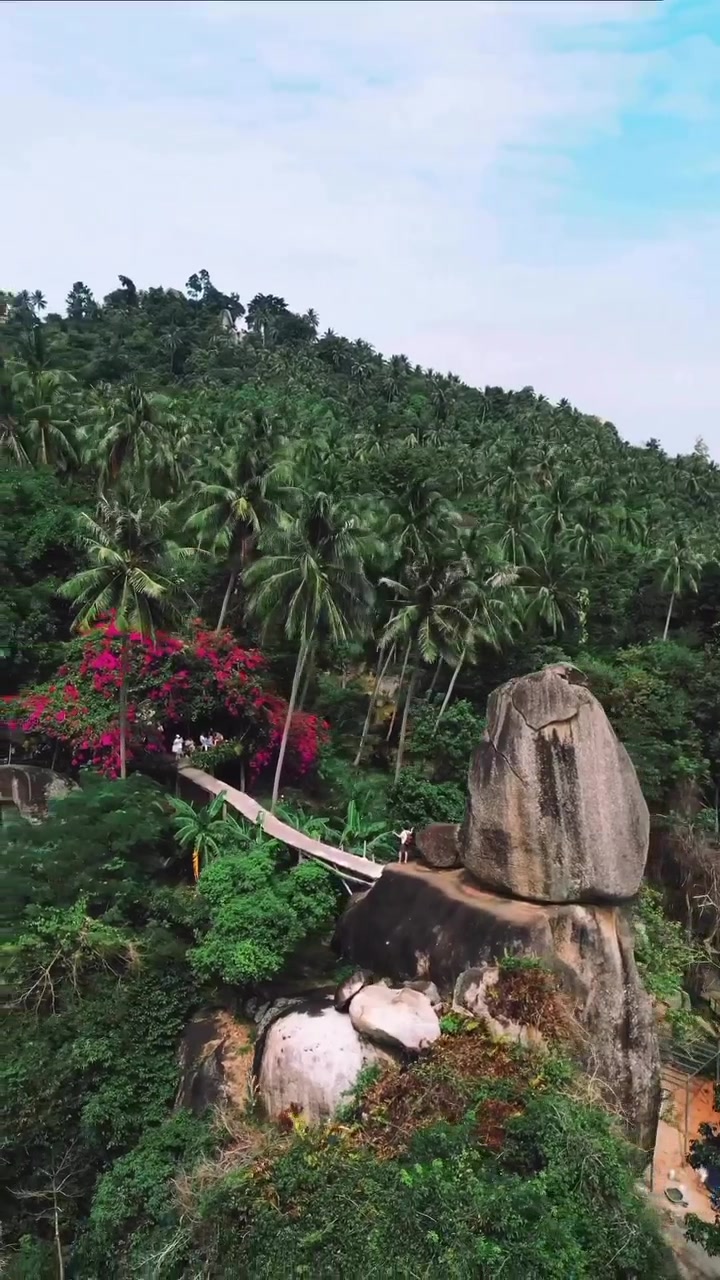
The south of Thailand is a place where the water is so clear, it reflects the sky in a watery mirror. Beneath the surface, coral reefs bloom like underwater gardens. On land, beaches teem with life. And against the coastline, towering rock formations stretch from the land to the ocean. It is into this landscape that Mr. PikeItUp07, the creator behind the vertical video, ventures to document.
The many faces of Thailand’s southern beaches
The southern beaches of Thailand are a unique landscape of varied beauty, formed from the interplay of wind and water. The landscape includes towering rock formations, lush green forests brimming with wildlife, and clean white sand and crystal-clear water. These beaches differ from the typical “tropical beach” elsewhere, especially in the rock formations. These towering rock formations of limestone jut from the ocean like sculptures or natural breakwaters but they are also important for nesting birds, crabs, and other creatures. In Thailand, there are three major groups of islands: the Andaman Sea and the Gulf of Thailand — the latter home to islands like Koh Samui and Koh Phangan. Along these coasts, there are also many smaller islands and isles, each bringing a unique experience of tropical nature. Victoria Rock Island is situated in southern Thailand's Phuket province, Thailand's largest island. The island is known for its unique formation. Many rock formations in the region are steeped in cultural significance as well. Koh Tai Pao, for example, has a mythical legend tied to it. Local lore describes a dragon who used to live in the rocky cavern that became a popular tourist spot.
Thailand's southern beaches as markers of environmental transformation
The beauty of Thailand’s southern beaches marks a turning tide in how people connect with nature. The beaches have made Thailand a popular tourist destination, and therefore a focus of eco-tourism initiatives that seek to preserve the environment and build a sustainable tourism economy. Thailand has been taking significant steps to preserve its beaches. It has banned single-use plastics in the country’s marine national parks, taken steps to reduce marine pollution, and is planning to Phase out coral-damaging sunscreens. Thailand’s coastal regions are also home to some of the most biodiverse ecosystems in the world, including extensive mangrove forests. The country is home to many significant habitats, including coral reefs, mangrove forests, seagrass meadows, and sandy beaches. The existence of these ecosystems improves the resilience of the landscape, does not just add to the visual appeal. It is why these beaches are such a beautiful place to visit.
Rainy season secrets
The 2012 flooding brought massive destruction to Thai society. But it also uncovered hidden treasures. PikeItUp07 said, “But I’m blue, and I’m blue, and I’m blue.” However, during these wetter times, rain creates more than just abstract poetry. Referencing the 2019 flooding, Thailand saw previously unreachable beaches and forests. Water makes more of the landscape accessible. There is another sign of the many faces of Thailand’s southern beaches: the contrast of the dry season and the rainy season. According to reports, it is the rainy season, from May to October, that makes the region even more alluring. The region offers unique adventures and vistas. The monsoon season in Thailand lasts from June to October, and it is only during this period when the beaches are not crowded, so you can truly enjoy the beauty of the region.
Mountain cats of southern Thailand’s seas
After the rainy season, it is the leopard cats’ turn to emerge. Southeast Asia is home to the tropical forests and scrublands of the leopard cat. These cats may be a little-known secret to tourists: they fear humans as much as humans fear them. They are the cats who roam the beaches in Thailand. Even as they are a hidden treasure, the cats are a sign of Thailand’s biodiversity.
A rich culture for all
The tourists who travel to Thailand’s southern beaches can find many places to visit off-shoreline. Thailand is home to more than just tropical beaches. It also has a vibrant culture, delicious food, and friendly locals. The region is rich in history. The southern beaches of Thailand are a perfect blend of nature’s beauty and human civilization. The beaches are an ideal place to unwind and explore. The varied landscape provides a unique experience for every visitor. Whether you're looking for a relaxing beach vacation or an adventurous island-hopping trip, Thailand has something for everyone. The southern beaches of Thailand are a destination where the adventurer can explore the wild, and the family can enjoy a variety of activities. The region offers a mix of outdoor adventures and relaxing getaways. Thailand is the perfect destination for anyone who loves nature, beaches, and adventure.
Seeking the relishing south
For the new traveler, South Thailand is a place that is often best explored by joining a guided tour. Decades of tourism development have left travelers with a wealth of options.
- Staying at the Kata Palm Resort and Spa: This resort is located in the south of Thailand, on the scenic island of Phuket, Koh Phi Island, Koh Tao, and the Koh Samui beachfront area. Each resort provides a range of luxurious amenities and activities for travelers who are interested in relaxation, water sports, and action-packed escapes.
- Invest in guides for scuba and snorkeling: Thailand has some of the best coral in the world. Thailand's coral reefs are the perfect spot for snorkeling. The coral reefs are home to a variety of species and marine life. They are also great for swimming and exploring the underwater world.
- Plan adventures during the rainy season: The rainy season in Thailand is a great time to visit. Visitors can experience a unique side of the region. The wet season provides opportunities to discover Thailand’s hidden treasures and experience the magic of the rainy season.
The allure of the Thai south
The country's southern beaches are worth the cost — and it may cost you. Trust in the images, the thrill of a good ski, and the depth of the ocean.
Questions readers ask
What makes Thailand's southern beaches unique compared to other tropical destinations?
Thailand's southern beaches stand out due to their towering rock formations, which are unique to the region. These formations, often made of limestone, jut from the ocean and serve as natural breakwaters and nesting grounds for various creatures. Unlike typical tropical beaches, these landscapes offer a blend of rugged natural beauty and lush greenery, making them a distinct and captivating destination.
How do these rock formations contribute to the local ecosystem?
The rock formations in Thailand's southern beaches play a crucial role in the local ecosystem. They provide nesting sites for birds and shelter for crabs and other marine life. Additionally, these formations create a diverse habitat that supports a variety of plant and animal species, contributing to the region's rich biodiversity.
What are some of the major island groups in Thailand, and what makes them special?
Thailand has three major island groups: the Andaman Sea and the Gulf of Thailand. The Gulf of Thailand includes well-known islands like Koh Samui and Koh Phangan, each offering unique experiences. The Andaman Sea, on the other hand, is home to islands like Phuket, which features unique rock formations and cultural significance.
How is Thailand addressing environmental concerns in its coastal regions?
Thailand has implemented several eco-tourism initiatives to preserve its beaches and marine environments. These include banning single-use plastics in marine national parks, reducing marine pollution, and phasing out coral-damaging sunscreens. Additionally, Thailand is focusing on preserving its extensive mangrove forests and other biodiverse ecosystems, which enhance the resilience of the landscape and contribute to its natural beauty.
What are the benefits of visiting Thailand's southern beaches during the rainy season?
Visiting Thailand's southern beaches during the rainy season can reveal hidden treasures. The flooding, such as that in 2012 and 2019, has made previously unreachable beaches and forests accessible, offering a unique experience for travelers. The rain also brings a different kind of beauty to the landscape, making it a worthwhile visit for those who don't mind a bit of wet weather.
Are there any cultural or mythical significance to these rock formations?
Yes, many of the rock formations in Thailand's southern beaches hold cultural and mythical significance. For example, Koh Tai Pao is tied to a local legend about a dragon that used to live in a rocky cavern, which has become a popular tourist spot. These myths and legends add a layer of intrigue and cultural depth to the natural beauty of the region.
Related deep dives
Similar reads based on topic and creator.




Recent articles
Fresh deep dives from the latest Reels we unpacked.



Comments
Be the first to comment.