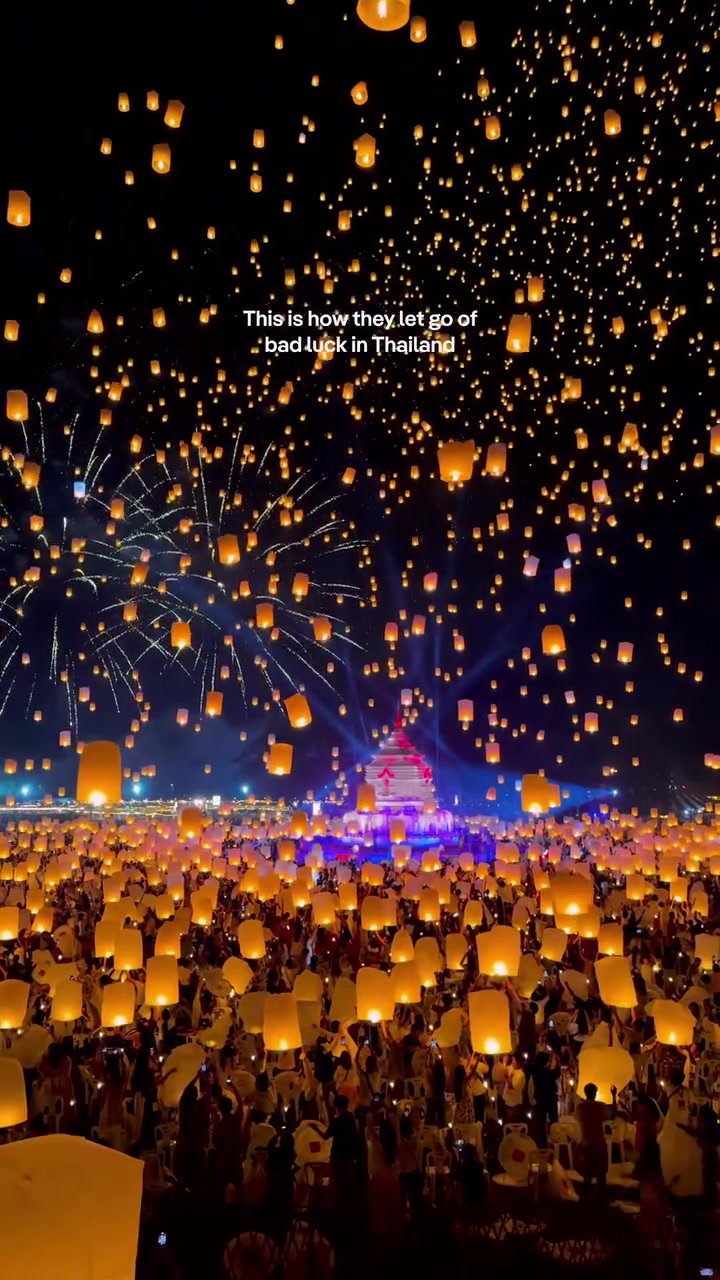
The Serenity of the Sky Illuminated Event
There’s nothing quite as mesmerizing or visually overwhelming as a mass of illuminated paper lanterns ascending into the night sky. At its heart, the Thai Lantern Festival is a sacred tradition that blends local heritage, earthy dignity, and the beauty of communal ceremony. The festival is a deeply meaningful cultural event in which large crowds release illuminated paper lanterns, creating a breathtaking spectacle that fills the sky. This tradition, also known as Loi Krathong or Loy Krathong, is celebrated mostly during November — its name translating to 'to float a basket'. During the Thai lantern festival, people gather around bodies of water, craft a krathong (a small floating basket), and decorate it with flowers, candles, incense, and coins or food. Such an offering is thought to dispel adversity and invite good fortune for the coming year. The intricate lanterns, usually in an octagonal shape, are typically made with a bamboo frame and a thin paper shell, often including symbols or phrases for luck and prosperity. The gentle glow of the flames inside the lanterns, which illuminate the lanterns, captures the essence of forgiveness, purity, and hope. As these lanterns are lit and released, they are believed to carry away bad luck and negative energy, symbolizing a fresh start.
A Cultural Tide Turning with These Lofty Fires
Not only does Loy Krathong mark the start of the cool season, but the festival also symbolically marks fertility, transformation, gratitude, and appreciating life. Yet, there is also a strong trend of urbanism overwhelming rural areas. As more people move to urban centers, there's a risk that these traditions could fade. Urbanization has also seen protests against the use of fire by the multifaceted culture, with fireworks and lanterns impacting the wildfauna. However, the festival is also a catalyst for community. Loy Krathong takes place in Thailand and many parts of Southeast Asia where there are large Thai populations.
**Tradition
Under a Richer Sky : The Krall** (deep dive: history, parts and experience)**
The Stellar AscensionThis ritual encourages participants to let go of their past sorrow, transgressions, and hardships. As each lantern soars into the dark sky, it embodies a personal journey of release and renewal. The visual splendor of the lanterns lighting up the sky is truly one-of-a-kind experience. The quiet of the night is heightened with beads of incense, fireworks and the soft whisper of other admirers.
Purity in the Night's Call (deep dive: how it works)
All participants — especially the women and children — clean themselves, wear traditional clothing, and carefully craft a krathong — a modest floating basket. It is proper to worship as the group gently places the krathong in the water, the community usually gathers around a river.
The Luster of the Root
Thailand’s Lantern Festival is steeped in legend. It was once believed that releasing a lantern or floating a krathong would fulfill the wishes of their deed in the face of a formidable naga, a powerful water serpent. This serpent is said to have lived in the riverbeds of the Mekong and was the guardian of the Thai king. By honoring the naga and releasing the lanterns, people hoped to evade the serpent's wrath and appease the guardian water spirit. This event also includes a ceremony to honor Buddha and the Phra Mae Kongka, a goddess in Thai folklore.
Transforming Lanterns
Over time, the festival has evolved from a local tradition to a major tourist attraction, drawing visitors from around the world — especially since Thailand has been a top global vacation destination. The festival is celebrated in honor of the goddess of water and fertility and draws large crowds for its enchanting atmosphere and striking visuals. However, this also poses a serious ecological risk. Although releasing the lanterns into the night sky is symbolic and picturesque, this activity has become a matter of contention not only between purity and reverence but also the environmental cost. The Thai Lantern Festival's environmental impact is a budding concern. There is a nuanced and complex debate on whether to embrace or ban the practice. Environmentalists voice concerns about the risk of fires and the threat to wildlife. Authorities have implemented regulations to mitigate the harm, including using biodegradable lanterns and setting designated areas for releases. Despite these measures, the debate remains divisive, with some calling for a complete ban to protect the environment and others advocating for continued participation as long as safety guidelines are followed. Community engagement and cultural preservation are at odds. Lanterns are designed to burn out and disintegrate as they float away. However, in certain cases, the materials used are not biodegradable, leading to littering and endangering marine life. Proper disposal methods and biodegradable materials are crucial to minimize the environmental impact.
Special Timing
The Thai Lantern Festival holds a special place on the calendar, with the date coinciding with the full moon of the 12th lunar month (November). It is celebrated in Thailand and across Southeast Asia, where Thai communities reside. The festival is part of a broader tradition of Loi Krathong, which spans multiple cultures and has various regional variations. However, the lantern release is unique to Thailand.
Practical Guidance
The festival's beauty is ideal to be experienced in person, offering an immersive cultural experience. Here's how to seize the enchantment: *Plan Ahead: Schedule your visit during the festival's peak, which usually occurs during the full moon in November. *Dress Appropriately: Wear traditional Thai attire to honor the culture and consider a lightweight wardrobe for the warm evenings. Respect the Tradition: Understand the significance of the festival and participate with reverence. Be respectful of the environment and use biodegradable lanterns. Stay Connected: Engage with the local community, join in the activities, and immerse yourself in the festival’s rich cultural tapestry.
Questions readers ask
What is the significance of the Thai Lantern Festival, or Loi Krathong?
The Thai Lantern Festival, also known as Loi Krathong, is a traditional celebration that holds deep cultural significance. It's a time for renewal and community, where people gather to release lanterns and floating baskets (krathongs) into the sky and water. This act is believed to dispel bad luck and invite good fortune, symbolizing a fresh start and personal renewal.
How do people typically prepare for the festival?
Participants, especially women and children, prepare by cleaning themselves, wearing traditional clothing, and crafting a krathong. This small floating basket is decorated with flowers, candles, incense, and coins or food. The preparation is a communal activity that adds to the festival's significance.
What are the lanterns made of and what do they symbolize?
The lanterns are typically made with a bamboo frame and a thin paper shell, often featuring symbols or phrases for luck and prosperity. They symbolize forgiveness, purity, and hope, and as they ascend into the sky, they are believed to carry away bad luck and negative energy.
What is the significance of the krathong in the festival?
The krathong is a small floating basket that is carefully crafted and decorated with flowers, candles, incense, and coins or food. It is placed in the water as an offering to dispel adversity and invite good fortune. The act of floating a krathong is a central part of the festival and holds deep cultural and spiritual significance.
How does urbanization impact the festival?
Urbanization poses a threat to the festival as more people move to urban centers. This shift can lead to a decline in traditional practices and has sparked protests against the use of fire due to its impact on wildlife. However, the festival also serves as a catalyst for community, bringing people together in both urban and rural areas.
Related deep dives
Similar reads based on topic and creator.




Recent articles
Fresh deep dives from the latest Reels we unpacked.




Comments
Be the first to comment.