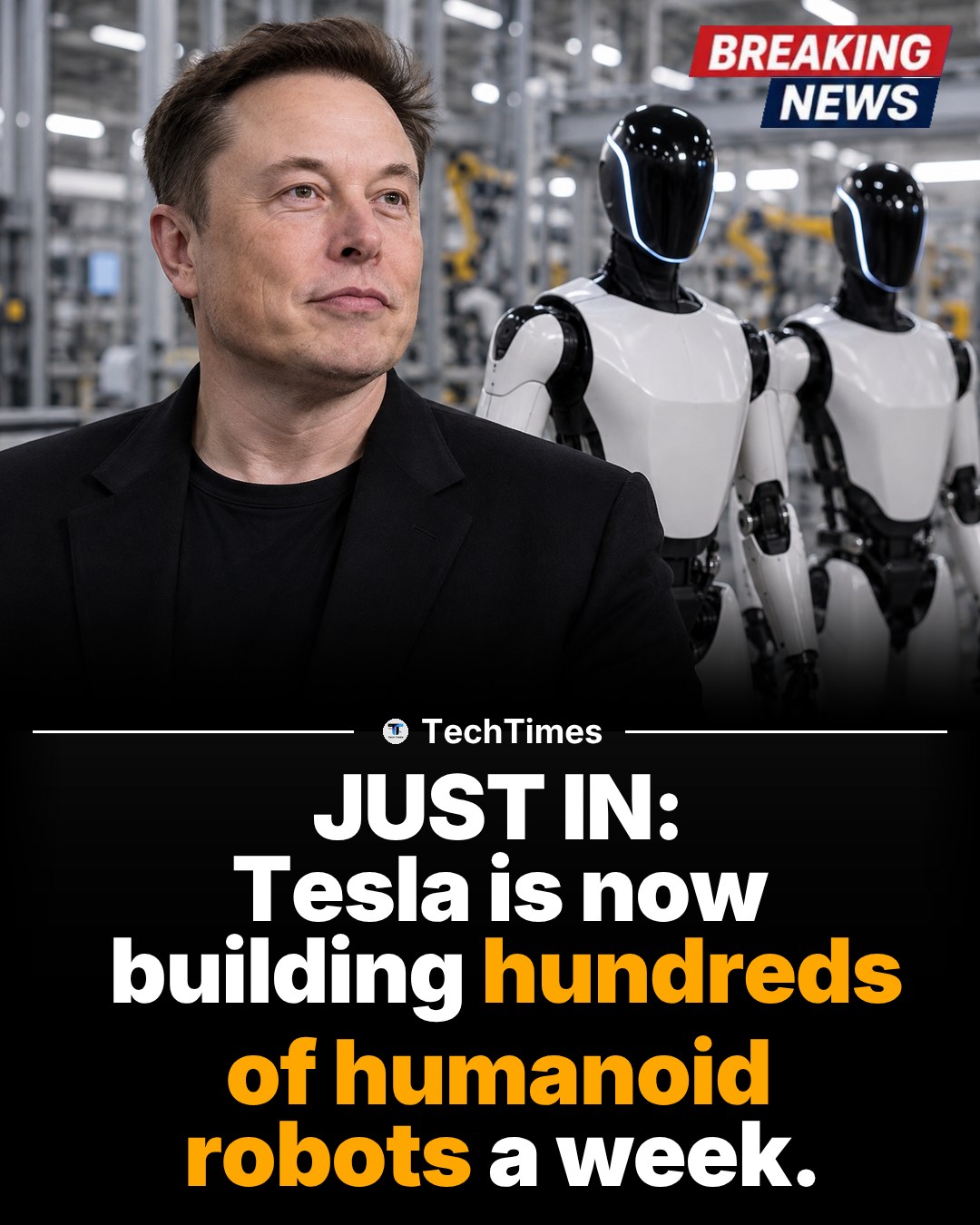
Tesla has ramped up production on its humanoid robots, manufacturing hundreds of them weekly. The ramp-up highlights the company's dedication to transforming the robotics industry, as Elon Musk continues to push his vision forward.
What are Tesla humanoid robots?
Tesla’s humanoid robots are designed for a variety of applications that mirror human-like movements and capabilities. They are engineered to work autonomously, using Tesla's expertise in artificial intelligence, robotics, and autonomous systems. The robots feature the Tesla Bot humanoid design, a metal frame that allows for a range of movements including walking and manipulation of objects. Their distinctive feature lies in the application of Tesla’s AI and machine learning technologies, which enable them to learn and adapt to new tasks. The current models are designed to work in a factory setting, performing tasks that are repetitive or dangerous for humans. Tesla’s humanoid robots can lift up to 150 pounds. Development of the humanoid robots, which began in 2021 is part of a broader strategy to integrate robotics into Tesla's existing product lineup. This approach aligns with Musk’s goal of reducing human labor in warehouse and factory settings. Tesla has aimed to integrate the robots into facilities to optimize efficiency, safety, and productivity.
Tesla is helping to reshape the future of labor with robotics.
The ramp-up in production of humanoid robots by Tesla is indicative of a larger trend in the technology industry. Companies are increasingly investing in automation and robotics to enhance efficiency and reduce costs. Tesla’s move isn’t just about cutting-edge tech — it’s also a testament to the broader shift toward automated assembly lines and logistics. The advancement of robotics signifies a transformative phase in the labor market. Musks’ plans are part of the larger conversation about the future of work and how automation will reshape various industries. As robots become more capable, they could replace humans in tasks that are repetitive, hazardous, or require precision. This transition has implications for job displacement, but also for the creation of new roles in robotics and AI.
How are Tesla humanoids made?
Human-like attributes
Tesla’s humanoid robots are designed to mimic human movements. The robots are engineered to walk, lift objects, and manipulate tools. These capabilities are powered by advanced motors and sensors that allow for precise control and coordination. The robot's body includes a head, torso, and limbs, which enable it to navigate environments and perform tasks autonomously. The humanoid robot’s design incorporates various sensors and cameras, which provide real-time data to the robot’s AI system. These sensors enable the robot to perceive and interact with its surroundings, allowing it to perform tasks without human intervention. The data from these sensors are processed in real-time, enabling the robot to make quick decisions and adapt to changing environments.
Tesla's factory integration
The robots are physically built in Tesla’s factories. This allows for seamless integration as well as quality control. Testing and refinements happen in real-time to ensure the robots meet the required standards for functionality and safety. This setup helps Teslas' robots quickly adapt to new tasks and improve their performance over time.
From concept to prototyping
The development of Tesla's humanoid robots began with conceptual designs and prototypes. Tesla invested significant resources into research and development to create a functional prototype that could perform a range of tasks. The prototypes underwent rigorous testing to refine their design and capabilities.
How humanoid robots will work alongside humans
Integration in the workplace
The integration of Tesla's humanoid robots in the workplace involves a multi-faceted approach. The goal is to create a collaborative environment where robots and humans work together. This requires careful planning and training to ensure that both robots and humans can operate safely and efficiently. Tesla’s robots are designed to take over repetitive, hazardous, or monotonous tasks, freeing up human workers to focus on more complex and creative tasks. Tesla is working to design a collaborative environment where each platform works towards shared goals. For instance, robots can guide human workers, allowing them to focus on more complex and creative tasks. This approach aims to enhance productivity, safety, and efficiency in the workplace, while also addressing the challenges and opportunities presented by automation.
What happens when robots replace humans in the workplace?
Robots could take on repetitive or dangerous tasks in logistics, manufacturing, and data entry. This shift raises important questions about job displacement and the need for workers to acquire new skills. The future of labor in a robotics-dominated era isn't all doom and gloom. There could be an increase in jobs related to robotics maintenance, programming, and development. This shift will likely require a significant investment in education and training to help workers adapt to the changing job market.
Facility tours and factory visits
Tesla plans public tours of its manufacturing facilities where visitors will be able to see the production of its humanoid robots. These tours will offer insights into the manufacturing process, allowing visitors to see firsthand how the robots are assembled and tested. For those who cannot visit in person, Tesla may offer virtual tours to showcase the production process of their humanoid robots. Virtual tours can provide a detailed look at the factory floor, allowing viewers to see the robots in action and learn about their capabilities.
Questions readers ask
What are the primary tasks that Tesla's humanoid robots are designed to perform?
Tesla's humanoid robots are primarily designed for tasks that are repetitive or dangerous for humans, especially in factory and warehouse settings. They can lift up to 150 pounds and are engineered to walk, manipulate objects, and use tools autonomously.
How does Tesla's AI and machine learning technology enhance the capabilities of these robots?
Tesla's AI and machine learning technologies allow the humanoid robots to learn and adapt to new tasks. This means the robots can improve their performance over time and handle a variety of jobs without constant human supervision.
What are the implications of Tesla’s humanoid robots on the labor market?
The widespread use of Tesla's humanoid robots could lead to job displacement in sectors where tasks are repetitive or hazardous. However, it also opens up new job opportunities in robotics and AI development and maintenance.
Why did Tesla choose to build its humanoid robots in its own factories?
Building the robots in Tesla’s factories allows for seamless integration with existing systems, as well as better quality control. This approach ensures that the robots are well-suited to the specific needs and environments of Tesla's production lines.
What makes Tesla’s humanoid robots different from other humanoid robots in the market?
Tesla’s humanoid robots stand out due to their advanced AI and machine learning capabilities, which enable them to adapt and learn new tasks. Additionally, their design focuses on mimicking human movements, making them versatile for a range of applications.
When did Tesla start developing its humanoid robots, and what are the goals for their future use?
Tesla began developing its humanoid robots in 2021. The goal is to integrate these robots into various industries to optimize efficiency, safety, and productivity, particularly in manufacturing and logistics.
Related deep dives
Similar reads based on topic and creator.

Recent articles
Fresh deep dives from the latest Reels we unpacked.



Comments
Be the first to comment.