Temple Complexes come to Life
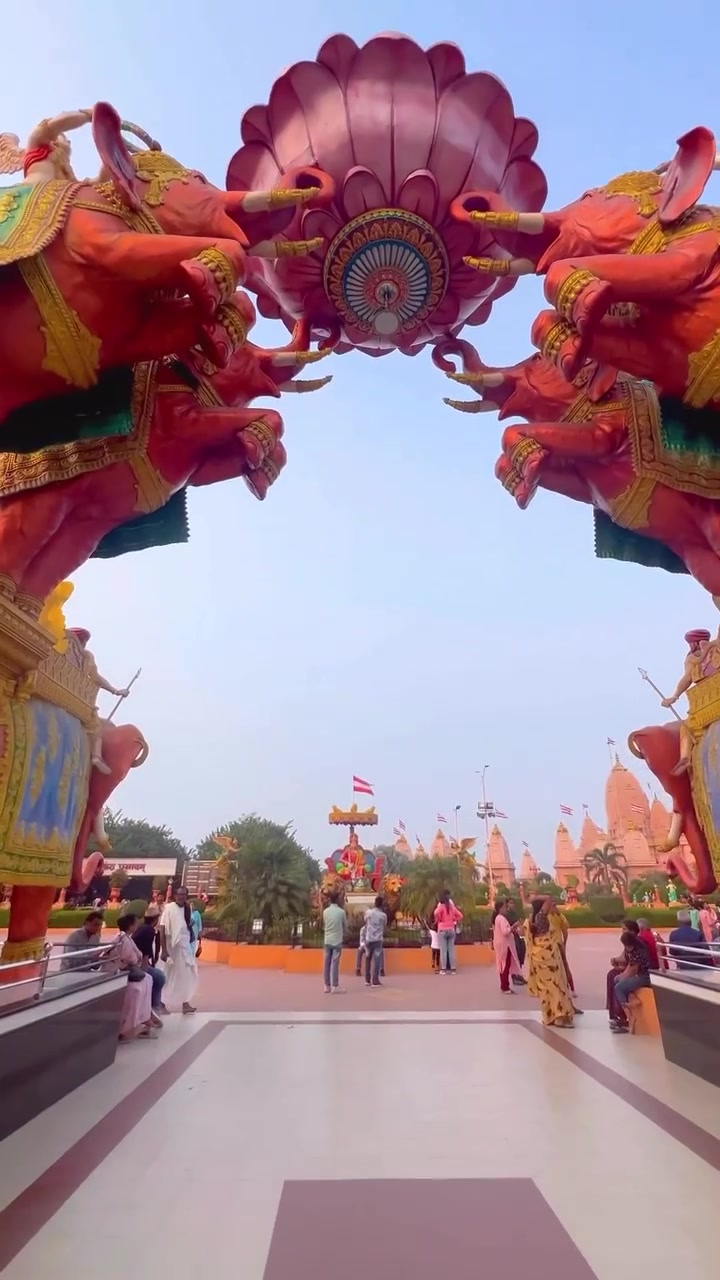
In the heart of southern India stands the ornate façade of a temple complex, and an entrance elegantly shaped by elephant statues. People walk through elaborate architecture, swelling fountains, and a visual culture steeped in Hindu traditions. This is not a set piece, but a bustling temple, its air of serenity alive with ancient mythology. Yet this is more than architecture: for some, it captures the essence of one of life’s most spiritual experiences. But how to manage this energy, and what do we miss in the quest for authenticity?
The Distinctive Experience of a Hindu Temple Visit
Visiting a Hindu temple complex is different from visiting any tourist attraction or historical site. Such visits are not merely about observing architecture and sculptures, but also engaging in a ritualistic pilgrimage. Hindu temples complex in India embrace an intricate visual language that each visitor can read. There is an orderly progression through the complex, with important aspects like the grand entrance, statues, and courtyards. This sequence is believed to guide the visitor on a spiritual path. To experience the energy of the temple, visitors will often perform rituals like circumambulation, offering flowers and money, and so on. The process is deeply personal and is meant to be immersive. Temple complexes are often designed to encourage spiritual reflection and contemplation. The architecture, the sculptures, and the overall design of the temple complex all contribute to the creation of a sacred space that facilitates this spiritual experience. Complete with sprawling gardens and the sound of temple bells, a visit to a Hindu temple complex is immersive and overwhelming — and deeply intimate. No other experience compares to the incredible scale of the architecture and the silence in these grand spaces. This is a serene experience that heightens the temple's influence and beauty.
The Essence of Darshan
Darshan is the act of viewing a deity or a sacred icon. This act is deeply rooted in Hindu tradition and is often a pivotal element of a temple visit. It is believed that seeing the deity bestows blessings, known as "darśana-drishti." The process begins with entering the temple complex, which often includes crossing a threshold like a torana. The visitor will follow a set path, & moving through halls and courtyards. As the visitor approaches the deity, they may perform specific rituals, such as offering flowers, sweets, or money. Darshan is not merely an act of sighting the deity, but it’s actually an energetic exchange between the devotee and the deity. This interaction is believed to purify the devotee and bring them closer to divine grace. In some temples, the deity is represented by a stone sculpture while in others, it may be an image or a live idol. Darshan is an essential aspect of Hindu temple visits, and it plays a crucial role in the spiritual experience of the devotee. The act of viewing the deity is believed to purify the devotee and bring them closer to divine grace. It is an immersive experience that engages all the senses and creates a deep connection. The deity's presence is often felt as a living entity.
The Role of Architecture and Design
Hindu temples are renowned for their intricate and ornate architecture. The design of a Hindu temple is not merely aesthetic; it is deeply symbolic and carries spiritual significance. Every element, from the entrance to the sanctum, is meticulously planned to create a spiritual journey for the visitor. The entrance, often adorned with intricate carvings and sculptures, symbolizes the threshold between the material and spiritual worlds. As visitors cross this threshold, they are ritually prepared for the spiritual journey ahead. The carvings and images on the temple walls and pillars often narrate stories from Hindu mythology and epics, providing a visual and cultural experience. The layout includes mandapas (halls), garbhagriha (inner sanctum), and circular walkways, all intended to guide the devotee through a spiritual progression. Even the materials used in building the temple hold symbolic meaning. Stone, brick, and wood are often chosen for their durability and spiritual significance. The use of bright colors and intricate carvings, metals, and intricate temple bells, and incense are all part of Indian temple life. To enhance the sensory experience, these sensory elements work to create a meditative environment and enhance the spiritual experience of the devotee.
Interacting with Deities
Hindu temples are abodes of divinity, and the main focus of the temple is the deity. Each temple houses a deity that is worshipped by the devotees. The deity is often present in the form of a sculpture, image, or idol. The idol is placed in the garbhagriha, the innermost sanctum of the temple, and is the focal point of the spiritual journey, and the site of the darshan. The garbhagriha is considered the heart of the temple, and it is here that the spiritual energy is believed to be most concentrated. Temple devotees often perform rituals and offerings to the deity, such as lighting lamps, offering flowers, and chanting prayers. A variety of rituals are performed to honor the deity, and devotees may participate in these rituals, such as the abhisheka, the offering of water, and the aarati, the waving of a lamp, flowers, and other objects. These rituals are believed to purify the devotee and bring them closer to the divine. The deity is often adorned with jewels, clothes, and other ornaments, and devotees may also offer food and other items to the deity. Temple priests, who are well-versed in the rituals and traditions of Hinduism, oversee the care and worship of the deity.
History of Your Visit
The Hindu tradition of visiting temples has a long and rich history. Ancient texts, such as the Vedas and Puranas, describe temple visits as an essential part of spiritual life. In medieval and colonial India, temple complexes were often the sites of political and religious power. During this period, temple-building and worship became an essential part of royal patronage, and many of the grandest temples in India were constructed during this time. Temple-building declined during British rule, but independent India saw a resurgence in temple construction and worship. Today, temple visits remain an essential part of Hindu spiritual life. From modest shrines to sprawling complexes, temple complexes in India remain a vibrant and significant part of present-day Hinduism. The 13th-century temple-colored walls, sculptures of deities, and stone pathways capture a timeline of Indian history. The temple, with its ornate carvings and intricate architecture, reflects the artistic and cultural heritage of the region. This vivid connection to the past adds a layer of depth and meaning to the temple visit, making it a profound and enriching experience.
Plan Your Visit
Visiting a Hindu temple complex can be a deeply spiritual and enriching experience. Here are some tips to help you plan your visit:
- Find a Vivid Guide: Look for local guides or knowledgeable individuals who can provide insights into the temple's history, architecture, and symbolism. Temple guides are available at many Indian temples.
- Plan for Rituals: Participate in the rituals and ceremonies, and you will likely learn about the religious and spiritual significance of the sculptures.
- Avoid Disruptions: Check the temple's website or contact the temple authorities for information on visiting hours and any specific dress codes or guidelines. Many temples have strict dress codes and guidelines for visitors, so it's essential to be respectful of these guidelines. For example, some temples may require visitors to remove their shoes, cover their heads, or wear specific attire. It can be noisy, so be prepared to feel an overwhelming atmosphere.
Questions readers ask
What makes the entrance of a Hindu temple complex in southern India so distinctive?
The entrance is often marked by impressive elephant statues and elaborate architecture, setting the stage for a deeply spiritual and immersive experience. This entrance is not just about aesthetics; it also serves as a gateway to the sacred space within, guiding visitors into a world rich with Hindu traditions and mythology.
How does the architecture of a Hindu temple complex enhance the visitor's spiritual experience?
The architecture is designed to guide visitors through a spiritual journey. Elements like grand entrances, statues, and courtyards create an orderly progression that encourages reflection and contemplation. The intricate visual language of the temple helps visitors engage with the sacred space on a deeper level, making the experience immersive and meaningful.
What is the significance of performing rituals like circumambulation and offering flowers during a temple visit?
These rituals are integral to the spiritual experience. Circumambulation, or walking around the deity, is believed to purify the individual and bring them closer to divine grace. Offering flowers, sweets, or money is a way to show devotion and respect, and these acts are deeply personal and meant to be immersive, enhancing the connection between the devotee and the deity.
Can non-Hindus visit and participate in the rituals at a Hindu temple complex?
Yes, non-Hindus are typically welcome to visit and observe the rituals, though participation may vary. Some temples allow visitors of all faiths to engage in the rituals, while others may have specific guidelines. It's always a good idea to check with the temple authorities or a knowledgeable guide beforehand to understand the customs and expectations, ensuring a respectful and meaningful experience.
What is the role of Darshan in a Hindu temple visit, and how does it differ from simply viewing a sculpture?
Darshan is the act of viewing a deity or sacred icon, and it's much more than just looking at a sculpture. It's an energetic exchange where the devotee believes they receive blessings and divine grace. This interaction is meant to purify the devotee and create a profound connection with the divine, engaging all the senses and making the experience deeply spiritual.
How does the design of a Hindu temple complex contribute to its spiritual atmosphere?
The design of a Hindu temple complex is meticulously planned to create a sacred space that fosters spiritual reflection. Elements like sprawling gardens, temple bells, and the grand scale of the architecture all contribute to an atmosphere of serenity and awe. This design encourages visitors to contemplate and connect with the divine, making the experience both overwhelming and deeply intimate.
Related deep dives
Similar reads based on topic and creator.




Recent articles
Fresh deep dives from the latest Reels we unpacked.




Comments
Be the first to comment.