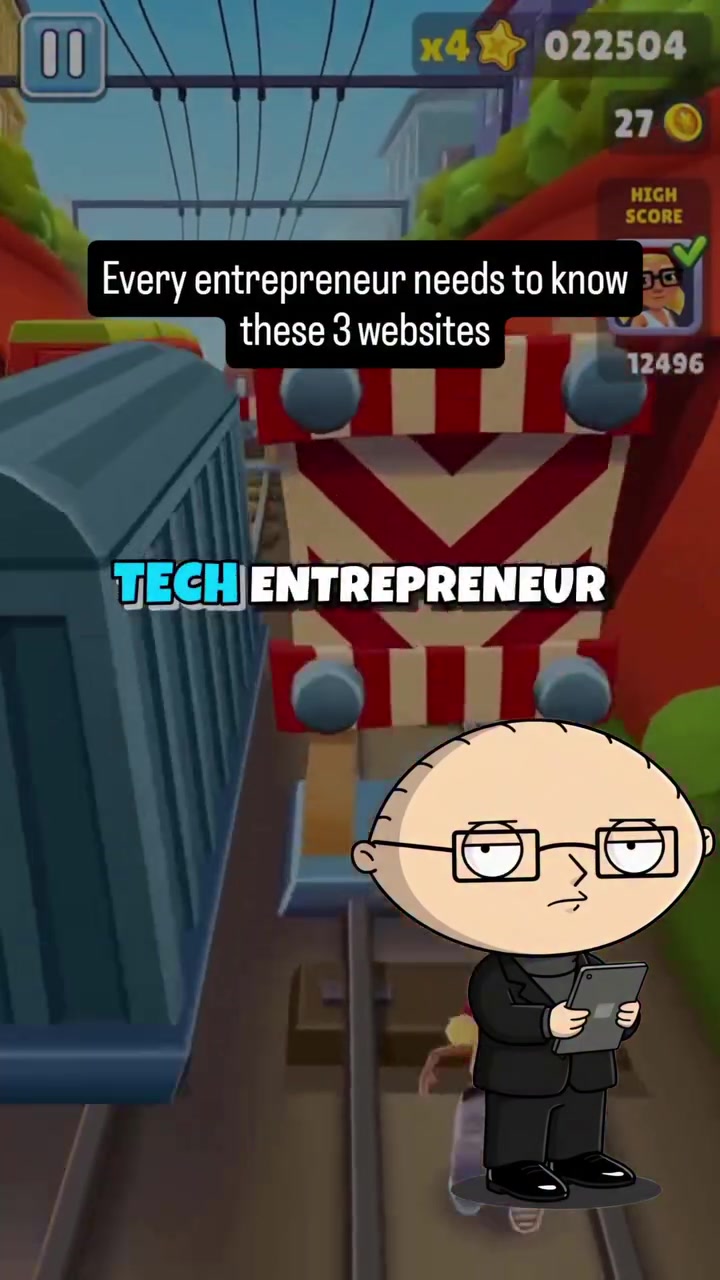
The three essential websites every tech founder should bookmark before launching their startup
Every tech entrepreneur must navigate an endless list of demands. That's why a short video from Peterstewiestartup cut straight to the chase. The key, he insists, is mastering vital websites. Hearing his first example, people immediately asked, "Can any of these sites teach me how to make billions overnight?" Unfortunately, there's no shortcut, so founders would be better off using these legit tools instead. After establishing their startup, founders have no choice but to "check whether someone else already owns the trademark" even if that means saving Facebook from legal trouble. They can create that US company legally and start accepting payments. And then study verified and successful founders for inspiration.
It's no longer enough to have a good idea. Savvy tech founders are learning from their peers to nail execution
The video suggests that the modern tech startup landscape is as competitive as it’s ever been. Successful tech entrepreneurs know they can't just focus on developing their ideas any longer — they need to ensure they are staying compliant with trademark laws. That might seem like a distraction, but staying legit is crucial. Using these three websites, founders can ensure they aren't rudely surprised by competing with someone else's trademarked name or spending months and thousands of dollars trying to settle a legal dispute that could have been avoided. Founders come and go, but the ones who establish a foundation of legality are the ones who might last. Whether it's accelerate their legal setup or benchmarking their traction, the bar has been raised. Sitting around watching motivational videos is no longer enough. Tech entrepreneurs need to get a reality check and reality comes in the form of these three websites.
When launching your startup, the first step is protecting your brand
Both new and returning entrepreneurs can't afford to skip a critical first step: safeguarding their brand. USPTO.gov is the secret to a smooth brand launch. Check if a US company trademark already exists before you build your brand. USPTO.gov does have a more formal background but it's actually the key to legal protection. The website helps entrepreneurs check whether someone already owns the trademark for a given name. That way, founders can avoid costly and time-consuming legal disputes. With the knowledge of trademark laws and prior trademarks, tech entrepreneurs can legally create a brand that doesn't infringe on other companies' trademarks.
Next, establish a legal foundation with Stripe Atlas
Stripe Atlas helps entrepreneurs launch their startup quickly and efficiently. It simplifies the legal setup process for companies by handling all the paperwork. It does more than streamline the procedure. Its mission is to "turn random app ideas into real companies." Founders can create a US company, set up the necessary legal structures, and start accepting payments swiftly. With Stripe Atlas, creators do not need to worry about the hassle of legal paperwork or setting up payment gateways. Stripe Atlas ensures that new companies can focus on building, scaling, and innovating right from the start. That means they can separate the creativity from the paperwork.
Navigating the legalities of incorporation
The setup of a US company can be complex with various legal requirements. Stripe Atlas helps founders by navigating through these complexities. Founders will face legal requirements, company registration, tax IDs, and payment gateways. After signing up with Stripe Atlas, the company takes care of all the legal aspects of setting up. That includes handling the legal paperwork, obtaining the federal tax ID, and setting up payment gateways. Founders will receive a legal formation package including bank account setup, compliance with state and federal laws, and tax registration.
Legal cost savings
Setting up a business isn't cheap. Founders typically have to pay thousands of dollars to lawyers, accountants, and other professionals for the incorporation process. Stripe Atlas's flat fee makes it a cost-effective solution for many nascent founders. It also saves them time, which they can use to focus on their core work.
Accepting payments
After setting up a US company, accepting payments is crucial. If you are not paying attention, you might find that you're not accepting payments as efficiently or as cost-effectively as you could be. Stripe Atlas offers a suite of payment solutions that are reliable and secure. These include credit card payments, debit, and ACH transactions. Founders can even set up recurring payments and subscriptions. Stripe Atlas also offers tools for invoicing and international payment processing.
Learn from real businesses and find an edge with TrustMRR
Learning from successful entrepreneurs can provide inspiration and guidance for new tech founders. This is where TrustMRR comes in. TrustMRR offers an insightful look into the inner workings of successful online businesses. It allows founders to see verified revenue and study the strategies of successful entrepreneurs. TrustMRR allows entrepreneurs to discover real and verified online businesses and study what successful founders are building. It then filters out the noise of fake or failed businesses so founders can get an accurate picture of what it takes to succeed. It is a data-driven resource that has helped many startups to understand the market and build successful businesses.
Finding verified revenue of online businesses
One of the key features of TrustMRR is its ability to provide verified revenue data. Founders can see the real revenue figures of online businesses. TrustMRR also offers detailed information on the revenue streams of these businesses and the strategies they use to generate income. This is a valuable resource for founders looking to understand the income potential of their business model. Additionally, TrustMRR provides a list of verified revenue sources, including affiliate marketing, e-commerce, and digital products. This helps founders to identify which revenue streams are working best for their competitors.
Case studies
Case studies are a great way to learn from successful businesses. TrustMRR offers a series of case studies that cover a range of industries and business models. These case studies provide in-depth analysis of what worked for successful businesses and what didn't. Founders can learn from the mistakes and successes of other entrepreneurs. TrustMRR also provides access to exclusive interviews with successful founders. These interviews offer insights into the mindset and strategies of successful entrepreneurs. Founders can use this information to refine their own strategies and stay ahead of the competition.
Standing out
With many new startups launching every day, you might think that you’re just another company in the sea of ventures. However, TrustMRR allows founders to identify opportunities to differentiate their businesses. The platform offers insights into the strategies of successful businesses, allowing founders to innovate and stand out from the competition. TrustMRR also provides tools for market research and competitive analysis. It will highlight the companies with the strongest growth potential and the most innovative ideas. Founders can then use this information to tailor their strategies for differentiation. TrustMRR also offers resources to help founders build and grow their businesses, including access to industry experts and mentors. This makes it a valuable resource for any entrepreneur looking to build a successful business.
If you're building a tech business, learn to use these tools first
Founders are ready to dive into the world of web development and coding. There are no shortcuts to getting real experience. You should get started. Build a test site on your laptops. These three websites are critical for any new tech founder. You need to learn to navigate them, but they will make your passage easier. Not just doing these jobs but doing them in an efficient and cost-effective manner. Most founders think that these are simple and easy tasks, but they can often be the cause of a lot of frustration and wasted time. Saving just a few hours of your days early on can leave you time to work on your idea and strategy.
Questions readers ask
What are the three essential websites for tech founders mentioned in the article?
The three essential websites mentioned are USPTO.gov, Stripe Atlas, and a general reference to sites where founders can study successful peers. USPTO.gov is for trademark searches, Stripe Atlas handles legal setup, and the third is for learning from verified, successful founders.
Why is USPTO.gov important for tech entrepreneurs?
USPTO.gov is crucial because it allows entrepreneurs to check if a company trademark already exists. This helps prevent legal disputes and ensures that the startup's brand doesn't infringe on existing trademarks, saving time and money in the long run.
How does Stripe Atlas assist in launching a startup?
Stripe Atlas simplifies the legal setup process by handling all the necessary paperwork. It helps founders create a US company, set up legal structures, and start accepting payments quickly, allowing them to focus on growing their business rather than dealing with legal hassles.
Why is it important for tech founders to learn from their peers?
Learning from peers is important because it provides practical insights and strategies that can help founders navigate the competitive startup landscape. By studying successful founders, entrepreneurs can improve their execution and increase their chances of success.
Can these websites guarantee the success of a startup?
These websites provide valuable tools and resources, but they don't guarantee success. They help founders avoid legal pitfalls, streamline processes, and learn from successful peers, but the success of a startup ultimately depends on the founder's execution, market demand, and other factors.
Related deep dives
Similar reads based on topic and creator.




Recent articles
Fresh deep dives from the latest Reels we unpacked.




Comments
Be the first to comment.