Foods for Heart and Organ Health
Food plays a crucial role in maintaining overall health, and specific foods are known to particularly benefit various organs and functions in the body. Let’s dive into the key foods that support heart and organ health, focusing on the circulatory system, eyes, digestive system, and respiratory system.
Context: Why this matters
Incorporating the right foods into your diet can significantly improve the health and function of vital organs. Understanding which foods support specific organs can help you make informed choices about your nutrition.
Foods for Blood Health
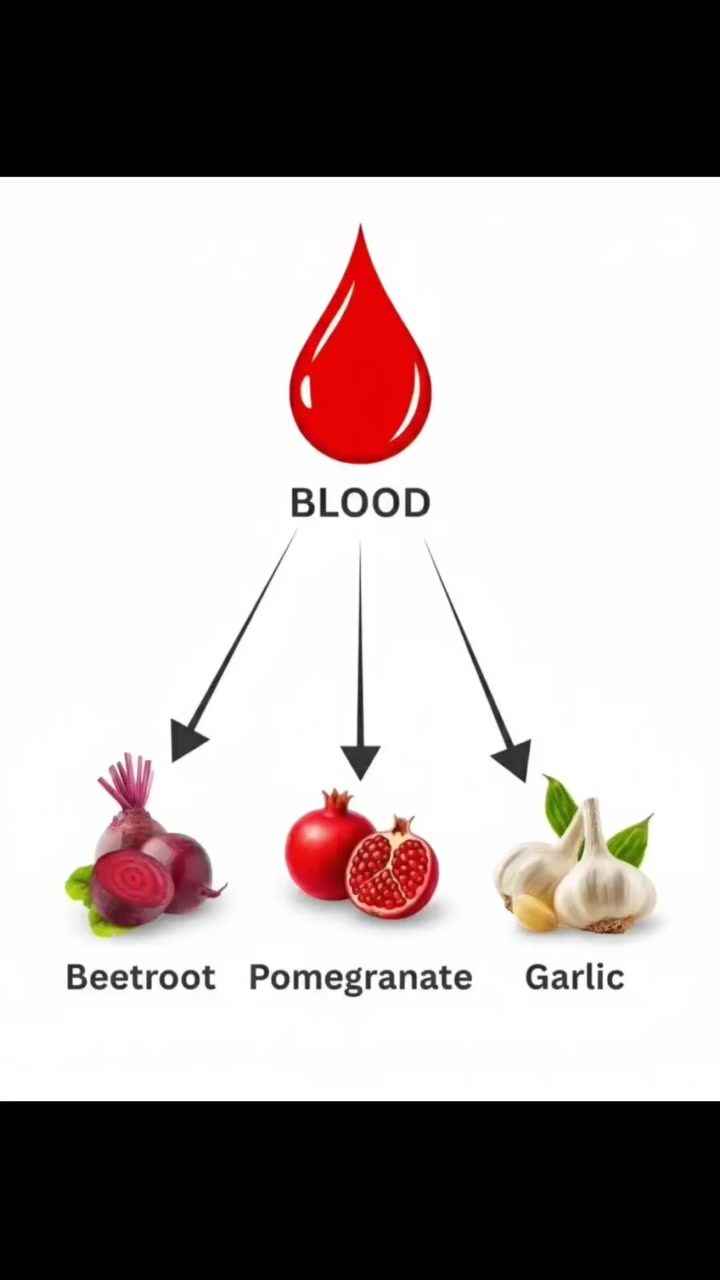
Beetroot, pomegranate, and garlic are known for promoting blood health. Beetroot is rich in nitrates, which help improve blood flow and reduce blood pressure. Pomegranates contain antioxidants that can protect blood vessels and improve circulation. Garlic is known for its anti-inflammatory properties and can help reduce cholesterol levels and prevent blood clots.
Beetroot
Beetroot is a powerhouse of nutrients, particularly nitrates, which the body converts into nitric oxide. This compound helps relax blood vessels, improving blood flow and lowering blood pressure. Additionally, beetroot is high in fiber, folate, and manganese, all of which contribute to overall cardiovascular health.
Pomegranate
Pomegranates are packed with antioxidants, particularly polyphenols, which help protect the body from oxidative stress. These antioxidants can reduce inflammation and improve blood vessel function, promoting better circulation. Regular consumption of pomegranate juice has been linked to lower blood pressure and reduced risk of heart disease.
Garlic
Garlic has been used for centuries for its medicinal properties, and for good reason. It contains compounds like allicin, which have potent anti-inflammatory and antimicrobial effects. Garlic can help reduce cholesterol levels, prevent blood clots, and improve overall heart health.
Foods for Eye Health
Carrots, sweet potatoes, and broccoli are particularly beneficial for eye health. These vegetables contain beta-carotene, which the body converts into vitamin A. Vitamin A is essential for maintaining good vision and preventing age-related macular degeneration and cataracts.
Carrots
Carrots are well-known for their high beta-carotene content, which is converted into vitamin A in the body. Vitamin A is crucial for maintaining eye health, as it helps prevent night blindness and supports the overall function of the retina. Additionally, carrots are rich in other antioxidants, like lutein and zeaxanthin, which can protect the eyes from damage caused by harmful UV rays.
Sweet Potatoes
Sweet potatoes are another excellent source of beta-carotene. They also contain vitamin C and other antioxidants that can help protect the eyes from damage. Regular consumption of sweet potatoes can support overall eye health and may reduce the risk of conditions like macular degeneration.
Broccoli
Broccoli is packed with essential nutrients for eye health, including vitamins A, C, and E. These vitamins work together to protect the eyes from oxidative stress and inflammation. Broccoli is also rich in lutein and zeaxanthin, which are important for maintaining good vision and preventing age-related eye diseases.
Foods for Gut Health
Aloe vera, green apples, and cucumbers are beneficial for gut health. These foods can help improve digestion, reduce inflammation, and support a healthy gut microbiome.
Aloe Vera
Aloe vera is known for its soothing properties, which make it an effective remedy for digestive issues. It can help reduce inflammation in the gut, relieve constipation, and promote a healthy balance of gut bacteria. Aloe vera also contains enzymes that can aid in the digestion of proteins and fats.
Green Apples
Green apples are a great source of fiber, particularly pectin, which can help improve digestion and support a healthy gut. The fiber in green apples can promote regular bowel movements, prevent constipation, and support the growth of beneficial gut bacteria. Additionally, green apples contain antioxidants that can reduce inflammation in the gut.
Cucumbers
Cucumbers are high in water content and fiber, making them an excellent choice for maintaining gut health. They can help keep you hydrated and promote regular bowel movements. Cucumbers also contain antioxidants and anti-inflammatory compounds that can help reduce inflammation in the gut and support overall digestive health.
Foods for Lung Health
Pineapple, ginger, and garlic are great for lung health. These foods contain compounds that can help reduce inflammation, improve immune function, and support respiratory health.
Pineapple
Pineapple is rich in bromelain, an enzyme with anti-inflammatory properties. Bromelain can help break down mucus in the lungs, making it easier to breathe. It also supports immune function, which is important for maintaining overall respiratory health. Additionally, pineapple is high in vitamin C, which can help reduce inflammation and support lung function.
Ginger
Ginger is known for its anti-inflammatory and antimicrobial properties, making it a powerful ally for respiratory health. It can help reduce inflammation in the lungs, relieve congestion, and improve immune function. Ginger is also effective in soothing sore throats and reducing coughs, making it a valuable addition to your diet during cold and flu season.
Garlic
Garlic's potent anti-inflammatory and antimicrobial properties make it beneficial for lung health. It can help reduce inflammation in the respiratory tract, support immune function, and fight off infections. Regular consumption of garlic can help prevent and manage respiratory conditions, such as bronchitis and pneumonia.
Practical Tips
Incorporating these foods into your diet can be simple and delicious. Here are some practical tips to get started:
- Add Beetroot to Salads and Smoothies: Beetroot can be grated into salads, juiced, or added to smoothies for a nutrient boost.
- Snack on Carrots and Cucumbers: These vegetables make great snacks and can be enjoyed raw or lightly cooked.
- Include Pomegranates in Your Fruit Bowl: Pomegranate seeds add a tangy crunch to fruit salads and yogurt bowls.
- Use Ginger and Garlic in Cooking: Both spices can be added to stir-fries, soups, and stews for extra flavor and health benefits.
- Make Aloe Vera a Regular Beverage: Aloe vera juice can be consumed regularly to support gut health.
- Enjoy Sweet Potatoes as a Side Dish: Baked or roasted sweet potatoes are a tasty and nutritious side dish.
Important Takeaways
- Variety is Key: Incorporating a variety of these foods into your diet can provide a wide range of health benefits for different organs.
- Consistency is Crucial: Regular consumption of these foods can help maintain overall organ health and reduce the risk of chronic diseases.
- Listen to Your Body: Pay attention to how your body responds to different foods and adjust your diet accordingly.
Conclusion
The foods you consume play a vital role in maintaining the health of your organs and overall well-being. By incorporating beetroot, pomegranate, and garlic into your diet for blood health, carrots, sweet potatoes, and broccoli for eye health, aloe vera, green apples, and cucumbers for gut health, and pineapple, ginger, and garlic for lung health, you can support your body's natural functions and promote optimal health.
Questions readers ask
Which superfoods are most beneficial for improving blood flow and circulation?
Beetroot and pomegranate are particularly effective. Beetroot is high in nitrates, which help dilate blood vessels and enhance blood flow. Pomegranates, on the other hand, are rich in antioxidants that promote circulatory health.
How does garlic support heart health and organ function?
Garlic is a powerful anti-inflammatory agent, which helps lower inflammation levels in the body. This can reduce the risk of heart disease and improve overall organ function.
Can incorporating these foods into my daily diet make a difference in my organ health?
Yes, including foods such as beetroot, pomegranate, and garlic in your daily meals can significantly support your organ health. These superfoods offer various benefits, including improved blood flow, reduced inflammation, and enhanced organ function.
Which organs benefit the most from a heart-healthy diet?
A heart-healthy diet benefits multiple organs, but it particularly supports the circulatory system, digestive system, and respiratory system. Foods rich in nitrates and antioxidants can improve blood flow and reduce inflammation, which are crucial for these vital organs.
What are some key nutrients in these superfoods that support organ health?
Superfoods like beetroot, pomegranate, and garlic contain key nutrients such as nitrates, antioxidants, and anti-inflammatory compounds. Nitrates in beetroot help improve blood flow, while the antioxidants in pomegranates can support circulatory health and the anti-inflammatory properties in garlic help reduce inflammation.
How can I create a heart-healthy diet plan using these superfoods?
To create a heart-healthy diet plan, incorporate these superfoods into your daily meals. For example, you can add beetroot to salads or smoothies, enjoy pomegranate seeds as a snack or in a salad and include garlic in your cooking for flavor and health benefits.
What are some of the specific benefits of pomegranates for heart and organ health?
Pomegranates are rich in antioxidants, which help improve blood flow by reducing LDL cholesterol levels in the blood. Additionally, they contain compounds like punicalagins, which have been shown to support heart health and overall organ function. Including pomegranates in your diet can be an effective way to promote circulatory health and reduce inflammation.
Recent articles
Fresh deep dives from the latest Reels we unpacked.




Comments
Be the first to comment.