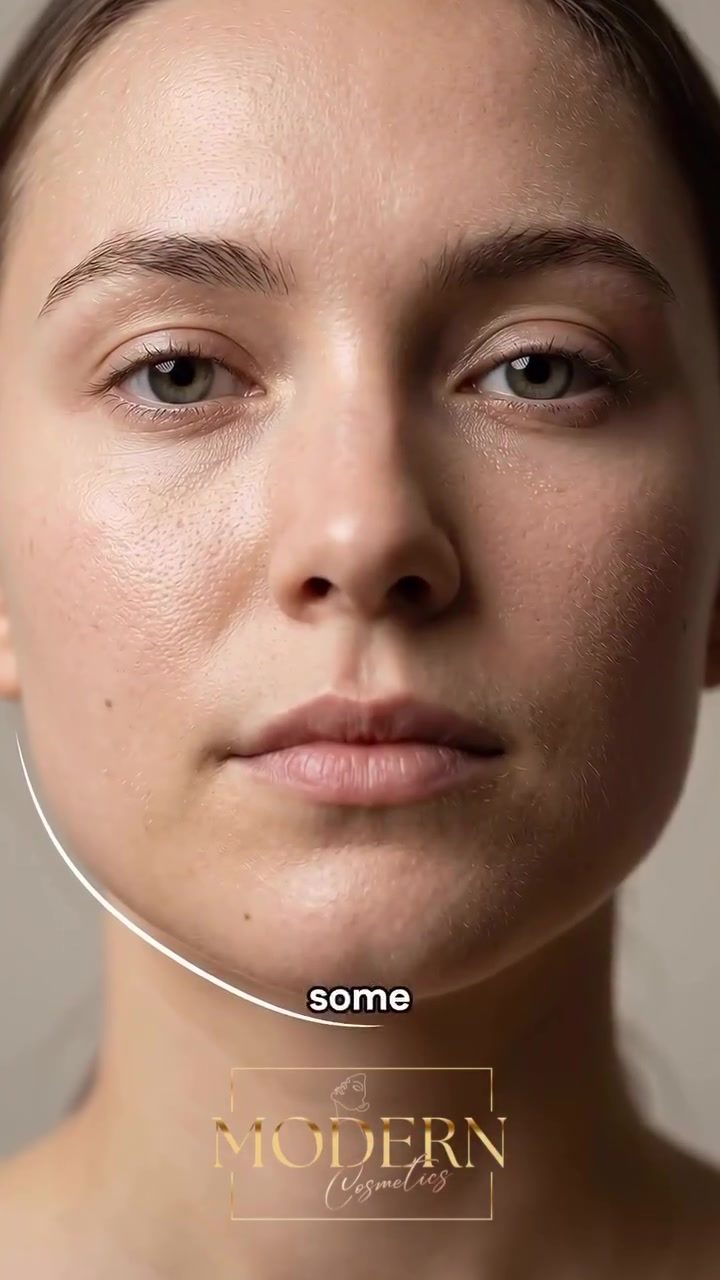
Understanding the Anatomy of a Strong Jawline
The jawline is a defining feature of the face, and it often draws attention because of its prominent position. Many people wonder why some individuals naturally have a stronger, more defined jawline. The answer lies primarily in anatomy, specifically the interplay of bone structure, facial muscles, and soft tissues.
Why This Matters
Understanding the anatomy behind a strong jawline can provide valuable insights for those interested in cosmetic enhancements or simply curious about facial aesthetics. By knowing the key factors that contribute to jawline definition, individuals can make informed decisions about treatments and products designed to enhance this feature.
The Role of Bone Structure
The jawline is fundamentally shaped by the bones of the lower face. The mandible, or jawbone, is the most significant contributor to the jawline's appearance. Variations in bone structure can lead to differences in jawline definition from person to person. For example, a well-defined angle at the back of the jawbone can create a more pronounced, chiseled look, while a more rounded angle can result in a softer, less defined jawline.
Genetics play a crucial role in determining the bone structure of the jaw. Inherited traits from parents and ancestors significantly influence the shape and size of the mandible, which in turn affects the jawline. This is why jawlines naturally vary from person to person, as genetic diversity leads to a wide range of facial features.
The Influence of Facial Muscles
While the bone structure provides the foundation, facial muscles also play a significant role in jawline definition. The masseter muscle, located on the sides of the face, is particularly important. This muscle is responsible for chewing and can affect the contour of the jawline. A well-developed masseter muscle can enhance the appearance of a strong jawline, while a less developed muscle can result in a less defined look.
Facial muscles are not only influenced by genetics but also by lifestyle factors. Regular exercise, especially chewing hard foods or engaging in activities that strengthen the jaw muscles, can contribute to a more defined jawline.
The Impact of Soft Tissues
Soft tissues, including skin and facial fat, sit above the bone structure and muscles, influencing the jawline's appearance. These tissues can change over time, affecting the definition of the jawline. As people age, skin loses elasticity and collagen, leading to a less defined jawline. Additionally, changes in facial fat distribution can alter the contour of the jaw, making it appear less pronounced.
Aging and Jawline Definition
As individuals age, several factors contribute to changes in jawline definition:
- Skin Support: The loss of collagen and elastin in the skin can lead to sagging, which can obscure the jawline.
- Facial Fat Distribution: Natural changes in facial fat distribution can affect the jawline's contour. For example, a loss of fat in the lower face can make the jawline appear more pronounced, while an increase in fat can make it appear less defined.
- Soft Tissues: The skin and facial muscles can lose tone and elasticity over time, further impacting the jawline's appearance.
Cosmetic Treatments for Enhancing the Jawline
For those looking to enhance their jawline, several cosmetic treatments and products are available. Understanding the underlying anatomy can help individuals choose the most suitable options. Some common treatments include:
- Facial Exercises: Regular exercises targeting the jaw and facial muscles can help strengthen and define the jawline.
- Cosmetic Procedures: Procedures such as jawline contouring, chin implants, and injectables like dermal fillers can enhance the jawline. These treatments often target the underlying bone structure and soft tissues to achieve a more defined look.
- Skincare Products: Products containing ingredients like retinol, vitamin C, and peptides can help improve skin elasticity and collagen production, contributing to a more defined jawline.
Practical Tips for Maintaining a Defined Jawline
Maintaining a defined jawline involves a combination of lifestyle choices, skincare, and, in some cases, cosmetic treatments. Here are some practical tips:
- Stay Hydrated: Proper hydration is essential for maintaining healthy skin and preventing sagging.
- Avoid Sun Exposure: Protect the skin from UV damage, which can accelerate the loss of collagen and elastin.
- Regular Exercise: Engage in regular facial exercises to strengthen the jaw muscles and maintain definition.
- Healthy Diet: A balanced diet rich in vitamins and minerals can support skin health and collagen production.
Important Takeaways
A strong jawline is a result of a combination of bone structure, facial muscles, and soft tissues. Understanding these factors can help individuals make informed decisions about maintaining or enhancing their jawline. Whether through lifestyle choices, skincare, or cosmetic treatments, there are various ways to achieve and maintain a defined jawline.
Conclusion
The jawline is a crucial feature that contributes to facial aesthetics. By comprehending the anatomy behind a strong jawline, individuals can better appreciate the natural variations in facial features and explore options for enhancement. Whether through lifestyle choices, skincare, or cosmetic procedures, there are numerous ways to maintain and enhance jawline definition.
Questions readers ask
How does the mandible shape influence jawline definition?
The mandible, or lower jawbone, significantly impacts the jawline's appearance. A broader, more angular mandible typically results in a sharper, more defined jawline, while a narrower or more rounded mandible can lead to a softer, less prominent jawline.
What is the masseter muscle, and how does it affect the jawline?
The masseter muscle is one of the primary muscles used for chewing and is located on the sides of the face, covering the angle of the mandible. A well-developed masseter can enhance jawline definition by adding volume and prominence to the lower face, making the jawline appear stronger and more chiseled.
Can soft tissues influence the appearance of the jawline?
Yes, the soft tissues, including skin and fat, play a role in jawline appearance. Excess fat or loose skin in the lower face can obscure the jawline, making it less defined. Conversely, a toned and taut lower face can accentuate the jawline, making it more prominent.
What are some natural factors that contribute to jawline development?
Natural factors such as genetics, age, and sex can influence jawline development. Genetics determine base bone structure and muscle development, while aging can lead to a loss of bone density and muscle tone, affecting jawline prominence. Sex hormones also play a role, as men typically have stronger, more defined jawlines due to higher testosterone levels.
How does bone structure in the face contribute to jawline prominence?
Bone structure, specifically the shape and size of the mandible, is a key determinant of jawline prominence. A well-defined, prominent mandible can create a strong, angular jawline, while a less defined mandible may result in a softer, less prominent jawline.
Why does the interplay of bone, muscle, and tissue matter for jawline appearance?
The interplay of bone, muscle, and tissue is crucial for jawline appearance because all these components work together to create the final look. For example, a strong mandible can be hidden by excess fat or weak muscles, while well-developed muscles and taut skin can enhance the definition of a naturally prominent jawline.
What is the role of facial muscles in shaping the jawline?
Facial muscles, particularly the masseter and the platysma, contribute significantly to jawline shaping. The masseter muscle, when well-developed, adds volume and strength to the jawline, while the platysma muscle, which runs along the front and sides of the neck, can affect the jawline's definition, especially when it comes to preventing sagging skin.
Related deep dives
Similar reads based on topic and creator.


Recent articles
Fresh deep dives from the latest Reels we unpacked.




Comments
Be the first to comment.