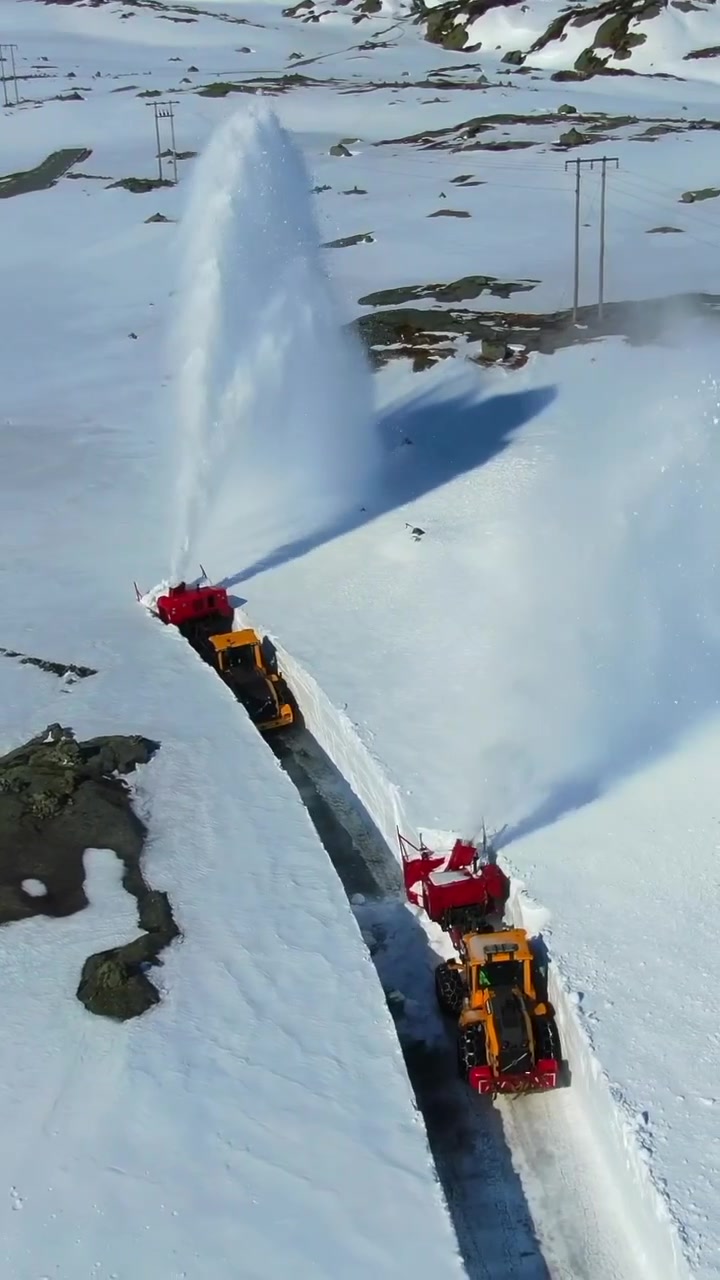
The snowmaking machines on a ski slope aren't just sprinkling the slopes with fluffy white dust. These towering, sudsy machines create a perfect powdery coat that rivals the best natural snow.
Resembling Nature With 21st Century Machinery
Snowmaking machines recreate the pristine powder of snow in just minutes, not weeks. It's science in action: a fan blows high-pressure water and compressed air. These little water drops freeze instantly, forming a cloud of artificial snowflakes. It is the epitome of ski slopes today. The technology is not new, but it remains unique. Understandably, snowmaking is what turns a ski resort’s empty slopes into wonderlands. Snowmaking machines use high-pressure water and compressed air to mimic the formation process of natural snowflakes, especially in temperatures that fall below freezing. Specifically, the machines create a fine mist of super-cooled water droplets that rapidly freeze into snowflakes as they exit the nozzles. The snow-making process typically requires temperatures below 28°F in order to be efficient. These machines are strategically positioned across the slopes. They coat designated areas with powdery white snow, ensuring all runs are covered. When one machine ends, another begins — a continuous, synchronized dance of snowmaking.
The Great White Revolution
With winter being increasingly unpredictable, snowmaking machines could be the only hope for ski resorts today. Artificial snow isn’t a luxury, it’s an insurance policy for a snowless winter. But the real secret lies in the weather. As temperatures descend further, the snow-making operation expands. It’s a symbiotic relationship. Artificial snow allows ski resorts to offer extended seasons, a crucial factor in their economic success. Resorts can open earlier and close later, catering to a wider audience and generating more revenue. The ability to generate snow at a moment’s notice has become a critical tool for ski resorts in an era marked by unpredictable weather patterns.
How it works
The Science Behind The Sudsy Snow
Snowmaking machines operate through a sophisticated blend of physics and engineering. A fan inside the machine forces out high-pressure water and high-pressure air through a specialized nozzle. This ignition of air and water creates the cloudy mixture that precipitates to form artificial snow. Due to differences in humidity, temperature, and altitude, maintaining optimal snowflake production requires constant tweaking.
Mixing Ingredients of the Perfect Blend
The type of water and air mixture are critical in the process. Since the process involves blowing pressurized water, only the purest of water is used to avoid any discoloration or spoilage. The air pressure is high but not forceful, ensuring a gentle, controlled discharge of snow.
Origin of Artificial Snow
The inception of machine-made snow traces back to the 1930s when resorts ran into the issue of unpredictable winter conditions. Early contraptions were simplistic, basically relying on a mix of water and air to emulate snow. As the decades evolved, snowmaking machines became more refined. Today, they’re capable of creating snow in temperatures slightly above freezing. Many modern machines also have features that customize the snow's characteristics, such as density and texture.
Testing the Experience
The snow itself is made specially to mimic nature's softness. It’s delicate and fluffy, not too wet or too brittle. The snow however, like natural snow, can harden under high temperatures. This requires consistent monitoring to maintain optimal softness. The entire mountain is a dance of snowmaking and grooming. While the machines are blowing snow, grooming crews follow, shaping the snow into specific runs and ensuring a perfect base for skiers and snowboarders.
One of a kind
Sculpting an Environment
Artificial snow and natural snow differ from shape, size, and the time taken to stay on the slope. Artificial snow crystals are initially round, soft, and wet. Artificial snow often dries out quicker and hardens more than natural snow. The way each machine is placed is a mathematical equation. This ensures an even and continuous coverage. This is a perfect example of how nature is mimicked with the help of technology.
What no one may have expected
On-Slope Meltdown
While the snowmaking machines create artificial snow, they can't artificially control the weather. If the temperature rises suddenly, the snow will melt. This means that there are still limits to the technology. In moments where nature disrupts the process, the snowmaking machines must retreat. They are built to withstand storms, but they cannot perform when the ambient temperature is high. This causes delays and makes them less reliable. Snow can also contribute to knife-sharp runoff, affecting the slopes. Reservoirs that source water for snow-making are drained in winter. If the weather is too warm, refilling requires a lot of work and attention to detail. The more the snow, the tougher it is for ski slopes to drain. Proper drainage ensures there is no excess pooling and good water management is essential as it directly affects the flora and fauna of the region.
Carve Out Your Own Path
To experience snowmaking, visit a ski resort during the winter. Typically, you may find these machines actively working during early mornings. Check the ski resort website for hours of operation.
- Resort Visits: For a close-up experience, visit a resort during its snowmaking season. Machines do not operate in the night. Early morning is the best time
- Get in touch: Most skiing resorts welcome visitors and offer special tours and experiences for educational learning. Look for ski resorts with customizable tour packages.
- If you want to be a part of the action, inquire about job positions or volunteering options. Ski resorts often hire snowmakers and groomers and laborers for seasonal work, and may welcome volunteers during peak seasons.
The Race Against Climate Change
No ski resort has fully mastered nature’s unpredictability, yet. But with their creation, snowmaking machines have come close. It’s both a race against nature and climate change.
Questions readers ask
How do snowmaking machines mimic the formation of natural snowflakes?
Snowmaking machines use high-pressure water and compressed air to create a fine mist of super-cooled water droplets. These droplets freeze instantly into snowflakes as they exit the nozzles, replicating the process that occurs in nature. This method ensures that the artificial snow is powdery and similar to natural snow.
What temperatures are ideal for efficient snowmaking?
Snowmaking machines operate most efficiently when temperatures fall below 28°F. This is because the lower temperatures help the water droplets freeze more quickly, ensuring a higher quality of artificial snow. However, machines can still function optimally when temperatures are slightly above freezing.
Can snowmaking machines operate in all weather conditions?
While snowmaking machines can operate in a range of conditions, they work best in cold, dry weather. High humidity and warmer temperatures can make the process less efficient. For instance, the machines require a lot of energy and water, and may not function as well in conditions that are not ideal for snowfall.
How do ski resorts strategically use snowmaking machines?
Ski resorts position snowmaking machines across the slopes to ensure all runs are covered with a consistent layer of artificial snow. These machines work in a synchronized manner, with one machine starting where another ends, creating a continuous blanket of snow. This strategic placement ensures that skiers have a smooth and enjoyable experience on the slopes.
What role do snowmaking machines play in the economic success of ski resorts?
Snowmaking machines allow ski resorts to extend their seasons, opening earlier and closing later. This extended season caters to a wider audience and generates more revenue. In an era of unpredictable weather, the ability to create snow on demand is crucial for the economic success and sustainability of ski resorts.
How has the technology of snowmaking machines evolved over time?
The technology of snowmaking machines has evolved significantly since the 1930s. Early machines were simplistic, relying on a basic mix of water and air. Over the decades, these machines have become more refined and capable of creating high-quality snow in a variety of conditions. Today's machines can operate in temperatures slightly above freezing, making them a reliable tool for ski resorts.
Related deep dives
Similar reads based on topic and creator.



Recent articles
Fresh deep dives from the latest Reels we unpacked.


Comments
Be the first to comment.