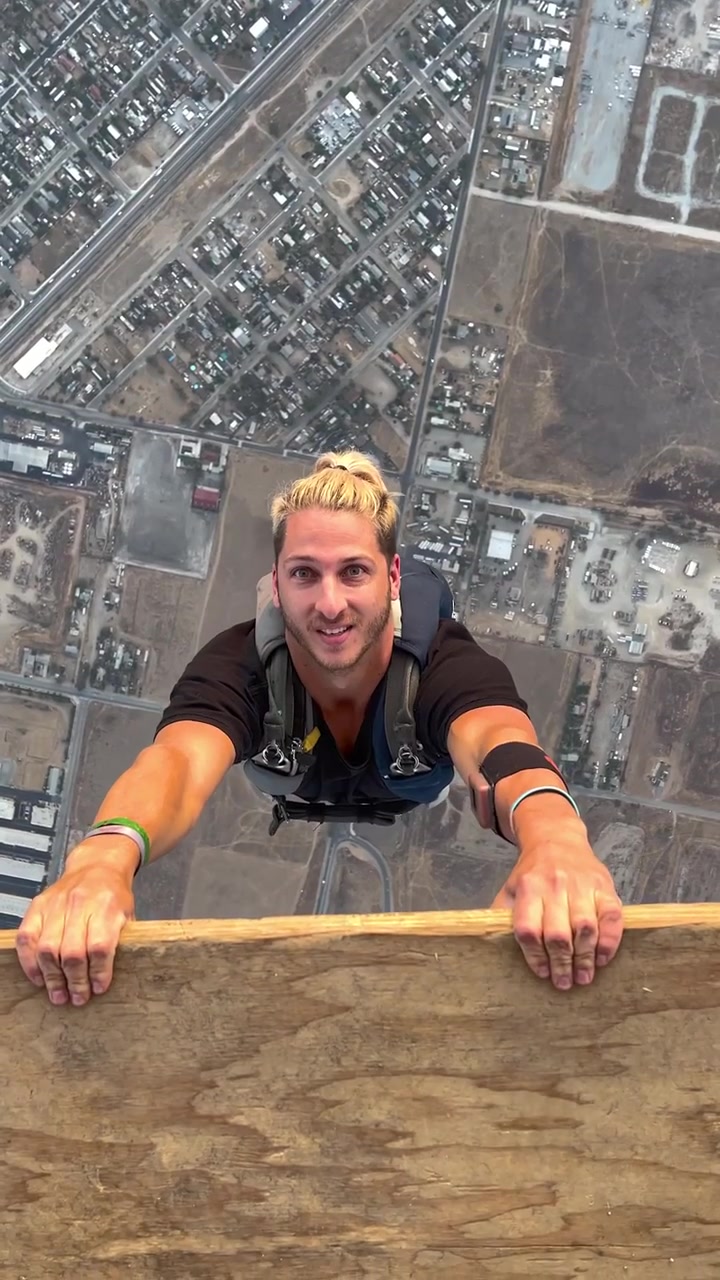
High above the suburbs, a skydiver plummets through the air. Arms outstretched, they stare confidently into the camera, careening toward Earth at speeds topping 120 miles per hour. If you've ever felt the tug of adventure, skydiving might tempt you. The thrill of jumping from an airplane is about more than just exhilaration.
The Basics of Wingsuiting
Skydiving is an extreme sport where people jump from an airplane and freefall through the air before deploying a parachute. A wingsuit is a special jumpsuit that allows skydivers to glide through the air, moving forward and downward. It gives skydivers a faster forward glide and makes the fall feel very different. The suit's arm flaps and leg wings create lift, reducing the rate of descent and increasing speed. Some reports suggest wingsuiters can travel up to 160 miles per hour The sport takes exceptional courage. However, flying through the air at high speeds, the sport also requires precise equipment, training, and education to ensure safety.
The Rise of Wingsuiting
The rise of wingsuiting coincides with the growth of extreme sports, particularly freestyle skiing and snowboarding. Aided by social media, wingsuiting has attracted a generation of adrenaline seekers. The popularity of GoPro cameras has enabled skydivers to share their immersive high-altitude experiences on YouTube, Reddit, or Instagram. Brands are also riding the waves of extreme sports. The wingsuits, helmets, and other equipment brands are flourishing as more thrill-seekers engage in wingsuiting. The sport has taken off in tandem with the skydiving industry.
Four Types of Wingsuit Flying
Head down Flying
Head-down flying, as the name suggests, involves flying while facing head down. This can be dangerous for beginners.
Head up Flying
Head-up flying is the opposite of head-down flying. Flying head up gives you a completely different perspective. It's easier than head-down flying and much better for viewing your surroundings.
Swooping
Swooping is a dangerous maneuver often found in wingsuiting. It involves flying horizontally before suddenly diving toward the ground. The maneuver gives the illusion of flying a roller coaster.
Proximity Flying
Proximity flying is wingsuiting near an obstacle such as a mountain or object that adds a layer of danger and excitement. This type of wingsuiting requires precise control and navigation skills to avoid smashing into the obstacle.
The Emotional and Physical risks
Wingsuit flying involves some dangers. An uncontrolled flight can cause an injury, broken bones, and death. Flying indistinctively near rocks and cliffs can break a person from falling without a parachute. Flying through power lines can also cause death. Wingsuiting participants need proper training and equipment. You should learn how to control your jump and ensure you are safe by putting on the correct gear for your flight. Tips for New Flyers
- Find a mentor who can show you how to fly properly and guide you through the learning process.
- Gear up with the right equipment for your body type and size.
- Mind your altitude — practice at higher altitudes is beneficial.
- Stay calm altitude makes it easy to panic
- Understand your equipment wingsuits have hand flaps, leg wings, and a parachute.
- Know the risks — skydiving and wingsuiting are dangerous sports. You must be comfortable with the risk.
Your High-Flying Take
Conquering a fear of heights through skydiving is a transformative experience. The emotional and physical challenge of wingsuit flying makes you feel unbreakable. Skydiving is about more than just the adrenaline rush. Joining a skydiving community teaches you about dedication and courage.
Questions readers ask
What exactly is a wingsuit and how does it differ from a regular parachute?
A wingsuit is a special jumpsuit designed to allow skydivers to glide through the air, moving forward and downward. Unlike a regular parachute, which primarily controls descent, a wingsuit has arm flaps and leg wings that create lift, reducing the rate of descent and increasing speed. This gives skydivers a faster forward glide and a very different experience during the freefall.
How fast can someone fly when wearing a wingsuit?
Wingsuiters can travel at incredibly high speeds. Some reports suggest that wingsuiters can reach speeds of up to 160 miles per hour, making it an adrenaline-pumping activity.
What kind of training is required to start wingsuiting safely?
Wingsuiting requires exceptional courage and precise training. It's crucial to have the right equipment, undergo proper education, and receive guidance from experienced mentors. Safety is paramount, so learning how to control your jump and ensuring you have the correct gear is essential before attempting wingsuiting.
What are the different types of wingsuit flying techniques?
There are several types of wingsuit flying techniques. Head-down flying involves flying while facing downward, which can be dangerous for beginners. Head-up flying offers a different perspective and is generally easier. Swooping involves flying horizontally before diving toward the ground, and proximity flying involves navigating near obstacles like mountains or cliffs, adding an extra layer of excitement and danger.
What are the risks associated with wingsuit flying?
Wingsuit flying involves significant risks, including the potential for uncontrolled flight, injury, broken bones, and even death. Flying near obstacles or power lines can be particularly dangerous. Proper training, the right equipment, and careful navigation are essential to mitigate these risks.
Related deep dives
Similar reads based on topic and creator.




Recent articles
Fresh deep dives from the latest Reels we unpacked.




Comments
Be the first to comment.