The Thrill of Skiing High: The Magic of Marked Slopes
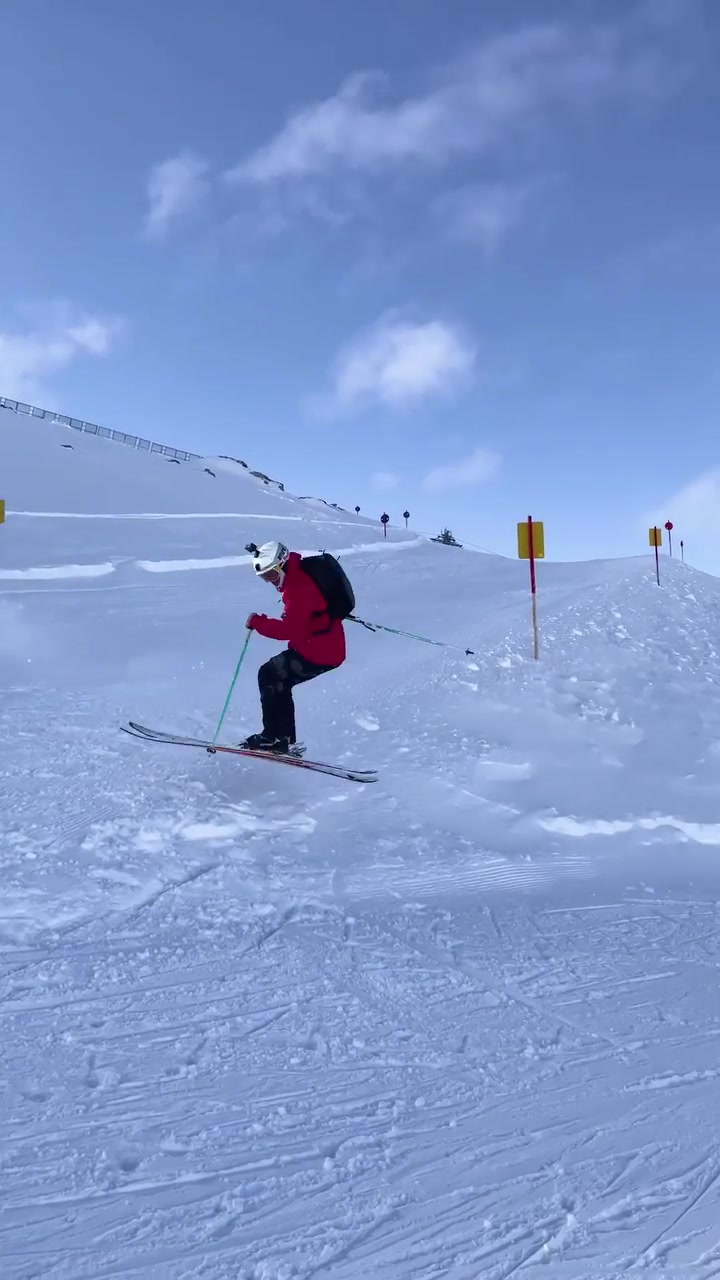
Skiing is more than a sport — it's an exhilarating experience defined by crystallized air, exhilaration in motion, and the thrill of mastering a frozen mountain slope. Skiing down a mountain slope is an experience that blends physical exertion, technical skill, and a deep appreciation for nature's beauty. It involves using skis and poles to glide down snow-covered terrain, navigating twists, turns, and drops. What makes this sport distinctive is how it combines physical demands, icy challenges, and the exhilaration of traversing open expanses of snow. The skier in this video is navigating through a marked course — rows of orange and white poles dot the landscape. This is a feature of marked slopes; the poles serve as visual markers that help skiers maintain a designated path through the terrain.
Skiing’s Serene Sport and Simplicity
The alpine experience is often romanticized as a luxury for the wealthy. It’s notable, though, that in recent years the sport has become more accessible. Ski resorts have expanded their offerings, with more affordable packages and beginner courses, while the advent of social media has democratized alpine adventures, inspiring and educating enthusiasts. For newcomers, skiing offers enjoyable, adrenaline-packed excitement. For seasoned athletes, it provides a rigorous workout, a chance to test their limits, and a prayerful moment to connect with nature.
The Tool Kit
Sticks and Skis
The foundation of a skiing experience is the gear. Poles boost the rider's ability to control the trajectory of the ski. Skis are engineered to be nimble and durable — wide blades help keep skiers steady on powdery terrain. Poles add stability and thrust. As shown here, poles with small baskets help maneuver through snow. The combination of poles, skis, and a helmet is essential to combat icy terrain.
Marked Paths
The orange and white poles provide a visual guide, helping skiers stay on course. The poles create a designated route, minimizing the risk of getting lost, especially when conditions are harsh and visibility is low. Some resorts use this kind of color-coding to differentiate the difficulty of their slopes — typically, green marks beginner trails, blue indicates intermediate, and black signifies expert. These guides to help skiers practice in a safe, monitored environment.
The Experience of Skiing
Navigating through the marked slope offers a unique sensation of speed, control, and adrenaline. This experience is heightened by the vast, untouchable nature of the mountain peaks and valleys, which give the rider a sense of adventure and awe. The experience of skiing offers a unique blend of exhilaration and tranquility. The speed and the rush of adrenaline is exhilarating, and the quiet solitude and the beauty of the white expanse make skiing a calming experience, especially on a peaceful day, where snow muffles disturbing sounds.
A Winter Wonderland
The raw majesty of a winter landscape is on display here. The white expanse of snow, the peaks, and valleys in the a mounts offer a visual spectacle that enhances the experience of skiing. The sheer grandeur of the mountain landscape is breathtaking. The contrast of the vivid white snow against the deep blue sky creates a visual feast.
The Skiing Culture
Skiing has a unique culture, offering a blend of athleticism and social activity. Ski resorts are not just places for sports; they’re hubs for community and social interaction, where enthusiasts of all ages and skill levels can bond. The culture revolves around the camaraderie of shared experiences. Even within the solitude of nature, skiers gather to share stories, support new skiers, and enjoy good times together.
Skiing in Any Terrain
For someone interested in trying skiing, there’s a starting point for everyone. The key to developing this skill is practice. If you are new to the sport, you are best off tackling marked courses. The poles help you navigate the course. The poles are there for a reason, to differentiate between skill levels and experience in the sport. Before you hit the slopes on your own, consider some lessons to enhance your safety and enjoyment. Having a guide can offer you tips and tricks to help master a range of terrains.
- Find Resort Options: Research local or nearby ski resorts with beginner courses and rent gear to ensure proper use.
- Wear Protection: Simplicity in a helmet is a must. Helmet selection is crucial; it will reduce the risk of injury.
- Budget for More Snow: Look for packages and discounts if you are on a budget. Often, they offer discount codes and bundled packages that reduce cost.
- Guided Lessons: Guided lessons are a must, especially if you are a beginner. Learn from the pros and improve your skill set.
The Great Outdoors
With marked trail, skis, and poles, anyone can embrace the sport through sheer endurance, energy, and endurance.
Questions readers ask
What exactly are the orange and white poles for in skiing?
The orange and white poles serve as visual markers that help skiers stay on the designated path. They guide skiers through the terrain, especially in harsh conditions or low visibility. Different color combinations often indicate the difficulty of the slope, with green typically marking beginner trails, blue for intermediate, and black for expert levels.
How do skis and poles work together to help control the ride?
Skis are designed to be both nimble and durable, with wide blades that help keep skiers steady on powdery terrain. Poles, equipped with small baskets, add stability and thrust, allowing skiers to control their trajectory and maneuver through the snow effectively. Together, they provide a balanced and controlled skiing experience.
Can skiing really be accessible for beginners and those on a budget?
Yes, skiing has become more accessible in recent years. Many ski resorts now offer more affordable packages and beginner courses, making it easier for newcomers to get started. Additionally, social media has played a role in democratizing the sport, providing inspiration and educational resources for enthusiasts.
What kind of experience can I expect from skiing down a marked slope?
Skiing down a marked slope offers a blend of thrilling speed, control, and adrenaline. The experience is enhanced by the natural beauty of the mountain peaks and valleys, creating a sense of adventure and awe. It can also be surprisingly calming, especially on peaceful days when the snow muffles disturbing sounds.
Are there any specific safety measures in place for skiers?
Yes, marked paths with color-coded poles serve as a significant safety measure. These poles create a designated route, minimizing the risk of getting lost. Additionally, wearing a helmet and using appropriate gear like poles and skis is essential for safety on icy terrain.
What makes skiing different from other winter sports?
Skiing combines physical exertion, technical skill, and a deep appreciation for nature's beauty, offering a unique blend of exhilaration and tranquility. Unlike other winter sports, skiing allows participants to traverse open expanses of snow, providing a sense of adventure and a connection with the natural landscape.
Related deep dives
Similar reads based on topic and creator.


Recent articles
Fresh deep dives from the latest Reels we unpacked.


Comments
Be the first to comment.