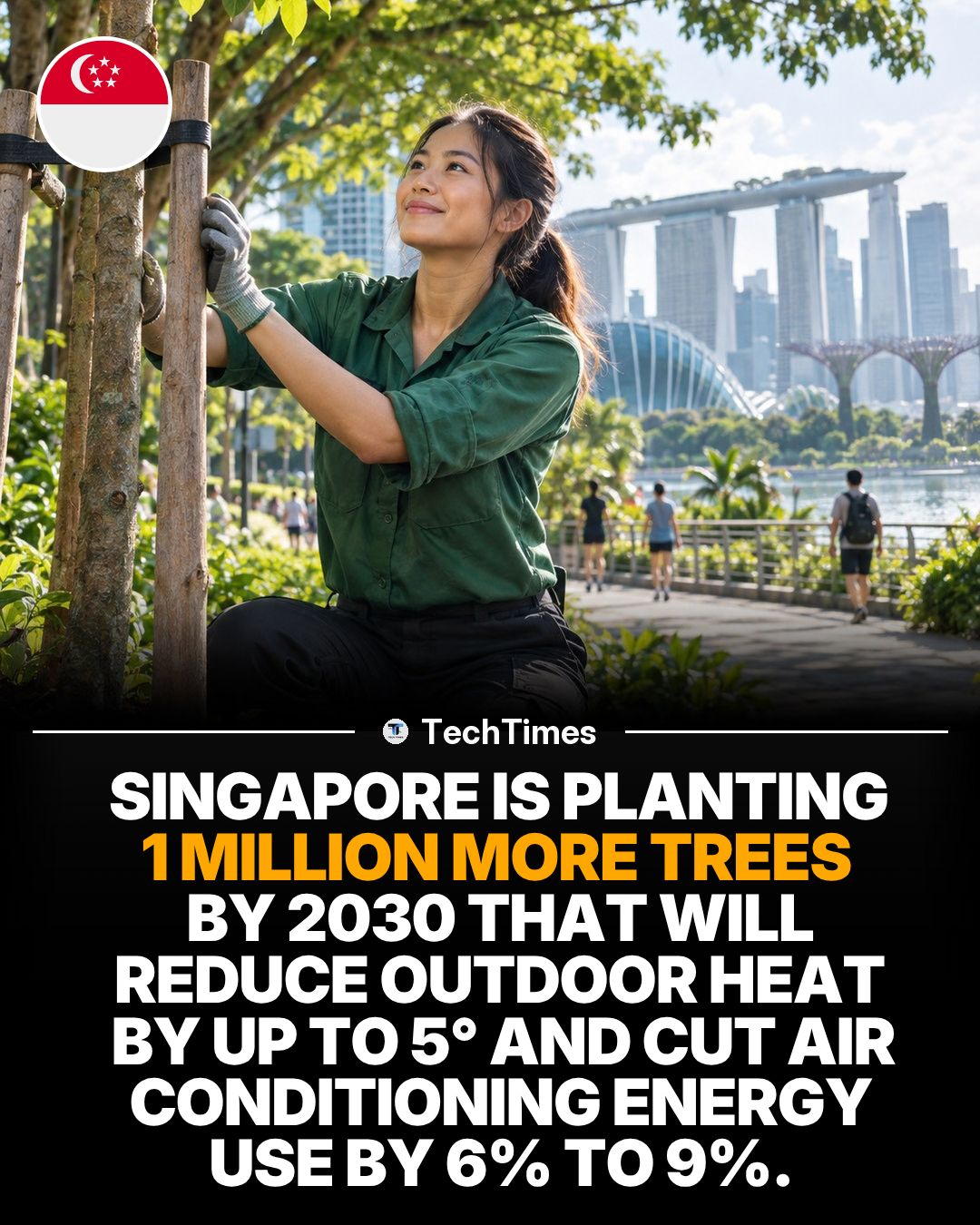
Singapore's Tree Planting Initiative Singapore has set ambitious environmental goals. The city-state will plant over 1 million trees by 2030. This is an initiative aimed to redefine its urban landscape and create a more sustainable future. The effort is more than just a green initiative. It is a tangible method to lower outdoor temperatures and cut energy use, and Singaporeans are being actively encouraged to participate in the initiative. Urban Releafing Singapore’s tree planting initiative is straightforward. The country seeks to increase its green canopy cover to mitigate rising temperatures and boost energy efficiency. By 2030, the initiative aims to plant an additional 1 million trees across the city-state, the initiative is significant; it will cover over 2,200 hectares of land over the next 7 years. The goal is to increase the urban forest canopy by 40 hectares annually. This means that every year more than 35,000 new trees will be planted. The initiative is part of Singapore's broader push toward environmental sustainability, and it is expected to reduce outdoor heat by up to 5° and cut air conditioning energy use by 6% to 9%. The strategy is not just about planting trees. It also involves maintaining them to ensure their long-term survival and ecological benefits. The Heat Is On This tree planting initiative takes on broader significance against a backdrop of rising global temperatures and urban heat island effects. Singapore's dense urban environment is particularly vulnerable to heat. Trees act as natural air conditioners, providing shade and cooling the air through evapotranspiration. The local heat reduction alone is expected to be significant. Urban trees can cool the air. By cutting air conditioning energy use by 6% to 9%, the tree planting initiative is also expected to reduce greenhouse gas emissions associated with energy production. This is a crucial step in achieving the country’s broader goal of mitigating climate change. Singapore's green plan is ambitious. It might be a powerful tool to mitigate the urban heat island effect. The plan's boldness was unexpected. Many cities have similar goals but struggle to execute. Singapore's project, on the other hand, has already started, and results will be measured. Citywide Green Sprawl Singapore’s plans for greening its urban landscape are built on the backbone of an organized plan. The entire effort is part of more ambitious nationwide plan. The plan is well understood by Singaporeans. It includes planting trees, maintaining them and using them to reduce the country's energy use. This approach to urban heat mitigation is both environmentally sensitive and fiscally responsible. By leveraging the natural cooling properties of trees, Singapore aims to achieve significant cost and energy savings. The initiative is part of a larger program called the Green Plan 2030. This plan has a set of national goals to advance it. The plan includes planting 1 million new trees. It also has additional goals, like a 30% reduction in carbon emissions, a 40% increase in energy efficiency, a 60% increase in water efficiency and a 60% increase in the tree canopy, all by 2030. Every year 35,000 trees are planned to be planted. This will increase the city's tree cover. Singapore’s tree planting initiative is not just about aesthetics or environmentalism, it is aimed directly at the bottom line. Plants are also capable of producing meaningful cost savings. Consider the city's air conditioning needs. Trees provide natural shade and help reduce the heat absorbed by buildings. Tree Cover This initiative goes beyond planting. The planting includes choosing the right trees for the job. The plans include species that are well-suited to Singapore’s tropical climate and can thrive in the urban environment. That means it might be hard to find a tree that has never been planted in Singapore, and a variety of plantings may be required for different parts of the city. The government has even published a Tree Planting Guide. It outlines the specific species and planting locations starting in 2021. The best places for planting new trees are parks, roads, and even rooftops. Singapore’s tree planting initiative is a multifaceted approach. The initiative includes more than planting trees. The Forest Restoration Action Plan (FRAP) is a program that aims to restore degraded forests. It is designed to help secure ecosystem services. The program is implemented by planting, cultivating, and maintaining forested areas in a sustainable manner. This encompasses restoration efforts at degraded sites and the maintenance of primeval forests. These efforts aim to increase the forest cover to achieve the Green Plan’s mandate of 30% by 2030. Green Roots The success of Singapore's tree planting initiative will depend on community involvement. The initiative is part of the National Parks Board's larger efforts to restore tropical forests and protect biodiversity. Most of Singapore's urban greenery is parkland, but Singapore is also expanding the green cover in residential estates, and industrial areas. The government is actively encouraging community participation in the initiative. The initiative includes public education. It also includes community tree planting events. This community engagement can take many forms. The government encourages tree planting on private premises. The planting program also includes educational outreach. That includes in-person tree planting events and virtual events. For example, the "Community in Bloom" program offers grants, the Urban Green Capital grant offers financial incentives for the planting trees, and the Tree Planting Day provides volunteers with a chance to get involved. Tree Maintenance Singapore has a history of environmental sustainability. The city is constantly expanding and evolving to meet its sustainability goals. The city’s efforts have been praised for their vision and resilience. This is the latest in a long line of environmental initiatives. That vision includes national reforestation efforts. In the recent past, tree planting initiatives have been funded through corporate sponsorships, public grants, and partnerships with a number of private and public agencies. The site restoration program concentrates on the reforestation of degraded lands and aims to boost the urban green canopy. While making the environment greener is a good idea, planting trees can be challenging. Trees need to be maintained, and they have to be able to thrive in their environments. Tree planting initiatives can help to address some of these challenges. For example, clearing degraded land can help to make room for new trees. Clearing also helps to reduce soil erosion. Join the Releafing Just reading about the tree planting initiative might not be enough. There are a few simple things that anyone in Singapore might do immediately to be part of the effort. One of the best ways to contribute is to plant a tree canopy on a personal property. Up to 80 trees can be planted by individuals for $300 and $750 for larger planting events. The initiative is making it easy to participate. Planted trees can also be included in estate maintenance if it fits the criteria. From vineyards to allotments, Singapore residents are proving their enthusiasm for greening the city. Residents need to be conscious in managing their trees. That includes reducing the number of trees that die annually. Soils need to be managed, pests, disease, and diseases also need to be managed. Trees may need to be transplanted and have nutrients added to the soil. Residents need to make sure that the trees have room to grow. There are also some things that residents can do to protect their trees. Bees, birds, and bats may need to be protected. Trees are a source of food for bees, and other pollinators. There are also other ways that residents can help to protect the urban forest canopy. Maintaining trees is important. Trees planted during the initiative need to be tended to. Some of the tasks involved in maintaining trees can be challenging, but they are necessary for the trees to thrive. While trees are hardy, they can be damaged by pests or diseases, and they need to be cared for to remain healthy.
Questions readers ask
How does Singapore plan to plant 1 million trees in the next 7 years?
Singapore aims to plant over 35,000 trees annually to meet its goal of 1 million trees by 2030. The initiative involves planting trees across 2,200 hectares of land, focusing on increasing the urban forest canopy by 40 hectares each year.
What specific benefits does Singapore expect from this tree planting initiative?
The initiative aims to reduce outdoor temperatures by up to 5°C and cut air conditioning energy use by 6% to 9%. This will not only make Singapore more comfortable but also contribute to reducing greenhouse gas emissions associated with energy production.
How does the tree planting initiative fit into Singapore's broader environmental goals?
The tree planting initiative is part of Singapore's Green Plan 2030, which includes multiple environmental targets such as a 30% reduction in carbon emissions, a 40% increase in energy efficiency, and a 60% increase in water efficiency, all by 2030.
How can trees help mitigate the urban heat island effect in Singapore?
Trees act as natural air conditioners by providing shade and cooling the air through evapotranspiration. By planting more trees, Singapore can significantly reduce local temperatures and decrease the need for air conditioning, which in turn lowers energy use and greenhouse gas emissions.
What measures are being taken to ensure the long-term survival of the planted trees?
The initiative includes strategies for maintaining the trees to ensure their long-term survival and ecological benefits.This involves not just planting but also nurturing and caring for the trees over time.
How does Singapore's tree planting initiative compare to similar projects in other cities?
Singapore's initiative is notable for its ambitious scale and organized execution. While many cities have similar goals, Singapore's project is already underway, and results will be measured, making it a standout example.
Related deep dives
Similar reads based on topic and creator.




Recent articles
Fresh deep dives from the latest Reels we unpacked.




Comments
Be the first to comment.