Kaleidoscopic Mosques of Iran
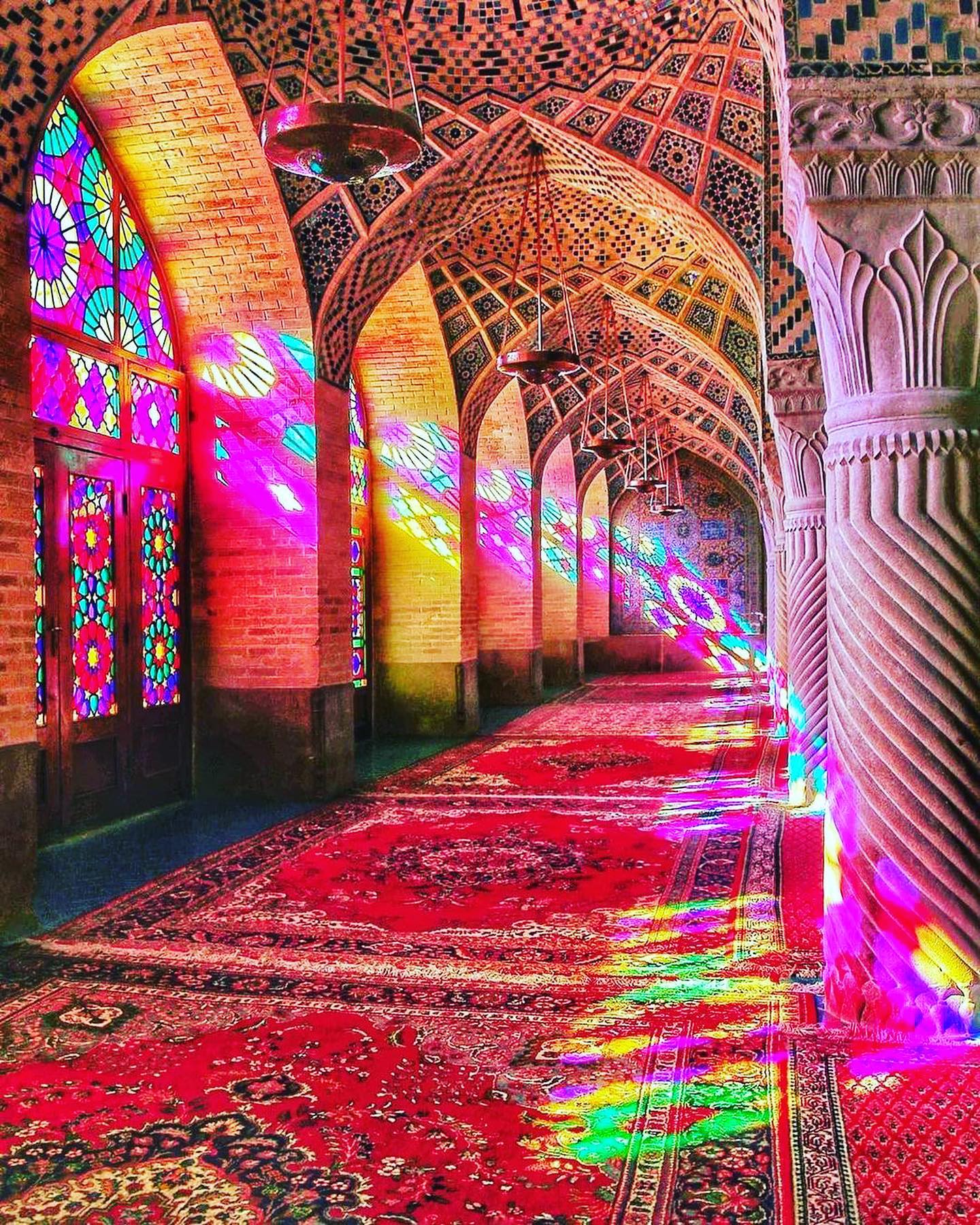
In the heart of Iran, the Sheikh Lotfollah Mosque in Isfahan stands as a testament to the country's rich architectural heritage. The mosque's interior is a riot of color and intricacy, with light streaming through stained-glass windows to illuminate ornate ceilings and intricate tilework. The blend of Persian and Islamic art in the Mosque is a prime example of Safavid art.
Mosques as Time Capsules
Iran’s architecture is a journey through time, with mosques reflecting the country’s different eras. These structures are more than just religious sites; they are historical records etched in stone and glass. The design and craftsmanship in each mosque tell a story, capturing the essence of the period in which they were built. These structures are more than just religious sites; they are historical records etched in stone and glass. The design and craftsmanship in each mosque tell a story, capturing the essence of the period in which they were built. The Sheikh Lotfollah Mosque, for instance, is a stunning example of Safavid art. The mosque’s unique dome and intricate tilework, combined with elaborate floral and geometric patterns on the ceiling, make it a prime example of Islamic art and architecture.
Intricate tilework: the art of Persian artisans
The intricate tilework in Iran’s mosques is a testament to Persian craftsmanship. The Sheikh Lotfollah Mosque’s ceiling, covered in elaborate floral and geometric patterns, showcases the skill of artisans from centuries ago. The combination of floral and geometric designs creates a mesmerizing visual effect, with colorful tiles reflecting light in a kaleidoscope of colors. This intricate tilework is not just ornamental; it serves a deeper purpose, creating a sense of depth and grandeur that transports visitors to another time.
The blend of Persian and Islamic styles
The architecture of Iran’s mosques is a blend of Persian and Islamic styles. Tall pillars and arched ceilings, adorned with intricate tilework, create a sense of grandeur and spaciousness. The pillars and arches not only support the structure but also serve as artistic elements, adding to the overall aesthetic. The light filtering through the windows creates a mesmerizing visual effect, casting colorful shadows and highlighting the intricate details of the tilework. This blend of styles is evident in the Sheikh Lotfollah Mosque, where the Persian and Islamic influences are seamlessly integrated.
The art of light and space
The architecture of Iran’s mosques harnesses the power of light and space to create a sense of awe and wonder. The stained-glass windows in the Sheikh Lotfollah Mosque, for example, cast a kaleidoscope of colors onto the intricate tilework, creating a mesmerizing visual effect. The long red carpet that stretches into the distance emphasizes the grandeur of the space, inviting visitors to explore and appreciate the architectural beauty. The use of light and space is not just aesthetic; it serves a spiritual purpose, creating an environment that is both awe-inspiring and contemplative.
Inspiring your Iran itinerary
Planning a trip to Iran? Here’s how you can incorporate these architectural marvels into your itinerary. * Nasir al Molk Mosque includes the architecture of the past and the vibrant colors of stained-glass windows. It is a must-visit for its mesmerizing light show that occurs when sunlight filters through the design of the windows.
- Motamedi House: Explore the rich historical architecture of this house built-in 1868, located in the Ardestan desert.
- Imam Reza Holy Shrine includes the beautiful tilework in Mashhad, the second-largest city in Iran.
- Vakil Mosque features an ornate entrance and calligraphy-like tilework.
- Shah Mosque is a symbol of Safavid architecture, which invites visitors with its tall pillars, arched ceilings, intricate tilework, and ornate dome.
- Sheikh Lotfollah Mosque is a must for its unique architectural designs. It also has the most beautiful architecture in Iran and offers a stunning interior with intricate tilework and an ornate ceiling.
Mesmerizing mosaics
Iran's mosques are more than just places of worship; they are living works of art. The intricate tilework, the interplay of light and space, and the blend of Persian and Islamic styles create an architectural experience that is both awe-inspiring and spiritual. These structures are a testament to the skill and creativity of Persian artisans, and a journey through Iran's mosques is a journey through the country's rich history and culture.
Questions readers ask
What makes the Sheikh Lotfollah Mosque's interior so striking?
The mosque's interior is renowned for its vibrant colors and intricate designs. Light filters through stained-glass windows, illuminating ornate ceilings and detailed tilework, creating a mesmerizing visual experience. This blend of Persian and Islamic art makes it a standout example of Safavid art.
How does the tilework in Sheikh Lotfollah Mosque contribute to its aesthetic?
The tilework in the mosque features elaborate floral and geometric patterns that create a sense of depth and grandeur. The colorful tiles reflect light in a kaleidoscope of colors, enhancing the overall visual effect and transporting visitors to another time.
What historical significance does the Sheikh Lotfollah Mosque hold?
The mosque is a prime example of Safavid art and architecture, reflecting the artistic and cultural achievements of the Safavid era in Iran. Its design and craftsmanship serve as a historical record, capturing the essence of the period in which it was built.
Can I see examples of Persian and Islamic architectural styles in the mosque?
Yes, the mosque seamlessly integrates Persian and Islamic styles. You can see this in the tall pillars, arched ceilings, and intricate tilework, which create a sense of grandeur and spaciousness. The blend of these styles is evident in the overall aesthetic and design elements of the mosque.
How does the mosque use light and space to create a unique atmosphere?
The mosque uses stained-glass windows to cast a kaleidoscope of colors onto the intricate tilework, creating a visually stunning environment. The long red carpet and the spacious layout also contribute to a sense of awe and wonder, making the space both awe-inspiring and contemplative.
What makes the mosque's dome unique?
The mosque's unique dome is a standout feature, showcasing the intricate tilework and elaborate floral and geometric patterns that characterize Safavid art. The dome's design is not just ornamental but also serves to create a sense of depth and grandeur, enhancing the overall aesthetic experience.
How does the mosque's architecture reflect the different eras of Iran’s history?
The Sheikh Lotfollah Mosque, along with other mosques in Iran, serves as a historical record etched in stone and glass. Its design and craftsmanship capture the essence of the Safavid era, reflecting the artistic and cultural achievements of that period. This makes it a time capsule of sorts, offering insights into Iran's rich architectural heritage.
Related deep dives
Similar reads based on topic and creator.

Recent articles
Fresh deep dives from the latest Reels we unpacked.



Comments
Be the first to comment.