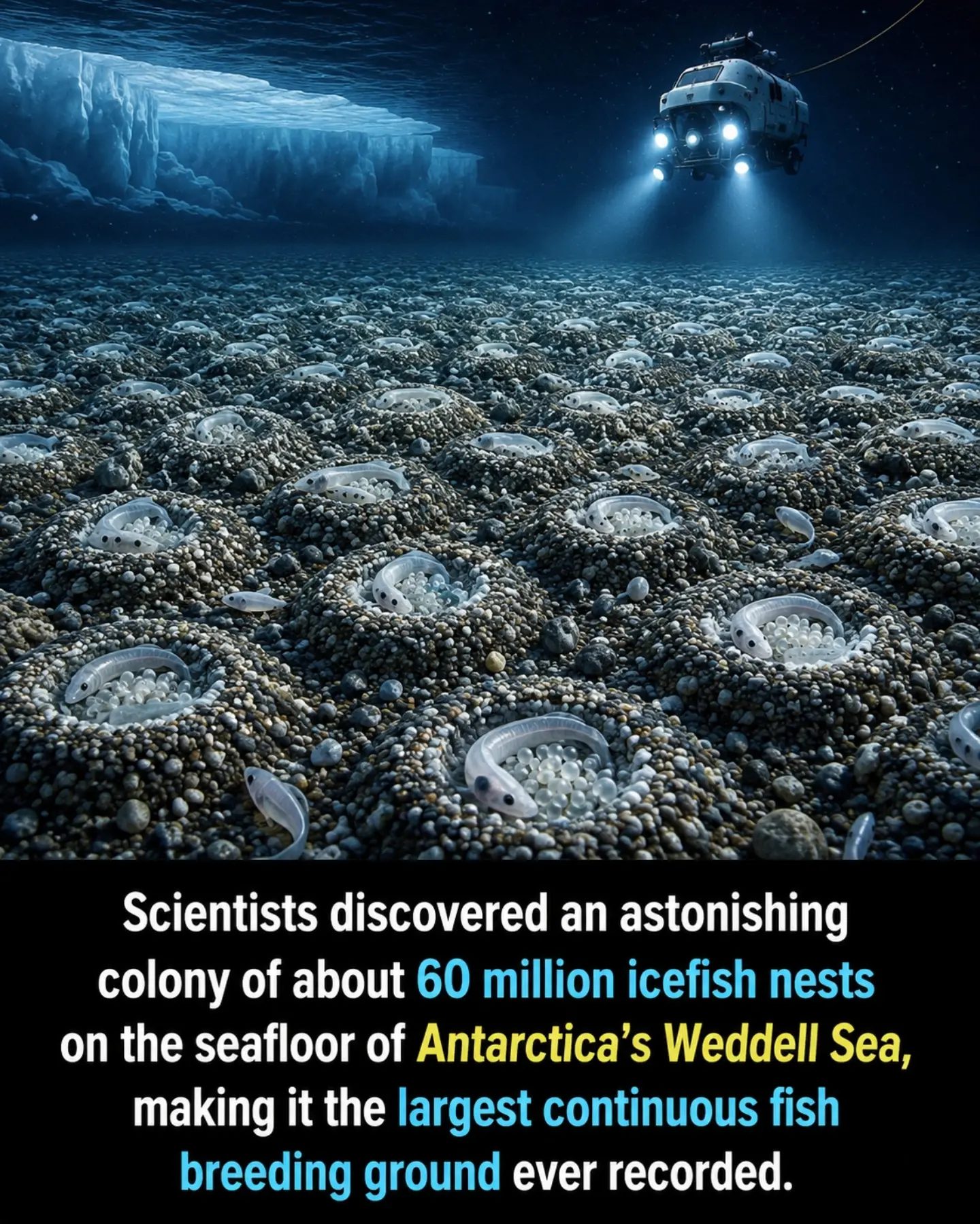
Icefish Nests in Antarctica's Weddell Sea: A Remarkable Discovery
Antarctica's Weddell Sea has long been a subject of fascination for scientists and explorers alike. Recently, a groundbreaking discovery has shed new light on the mysteries hidden beneath its icy waters. Scientists have uncovered a massive colony of icefish nests, making it the largest continuous fish breeding ground ever recorded.
Why this Matters
The discovery of this vast colony of icefish nests is significant for several reasons. Firstly, it provides valuable insights into the reproductive behaviors and ecological needs of icefish, a species adapted to the harsh conditions of the Antarctic. Secondly, it underscores the importance of the Weddell Sea as a critical ecosystem. Lastly, understanding these nesting sites can help inform conservation efforts and protect the fragile marine environment.
Understanding Icefish and Their Habitat
The Unique Characteristics of Icefish
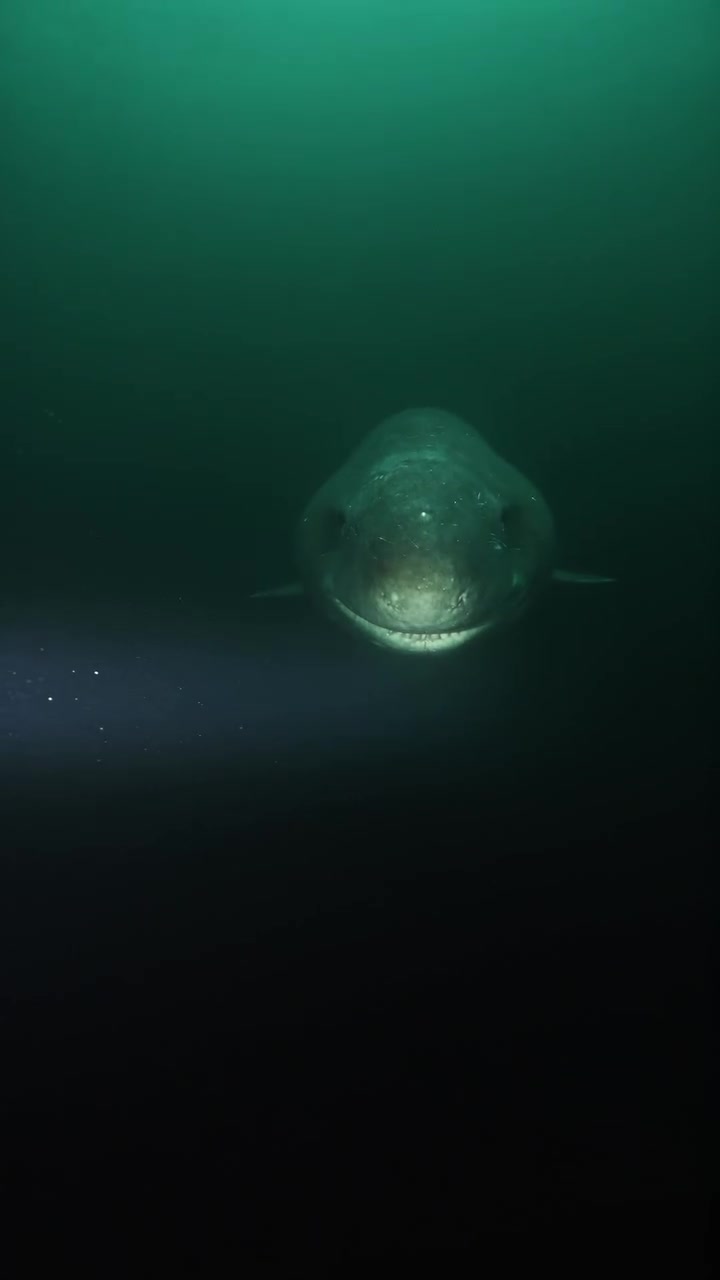
Icefish, also known as Antarctic whitefish, are a unique group of fish found in the cold waters of the Southern Ocean. They are characterized by their lack of hemoglobin, which makes their blood clear. This adaptation allows them to conserve energy in the cold, oxygen-rich environment of the Antarctic. Icefish are also known for their large eyes and translucent skin, which help them navigate and hunt in the dark, frigid waters.
The Weddell Sea: A Critical Ecosystem
The Weddell Sea is one of the most pristine and untouched marine environments on Earth. Located in the Southern Ocean, it is bounded by the Antarctic Peninsula and the East Antarctic Ice Sheet. The sea is home to a diverse range of marine life, including seals, penguins, and various species of fish. Its cold waters and abundant nutrients make it an ideal habitat for icefish, which have evolved to thrive in these extreme conditions.
The Discovery of the Icefish Colony
How the Discovery Was Made
The discovery of the massive icefish nest colony was made possible through the use of remotely operated vehicles (ROVs). These ROVs are equipped with high-definition cameras and sensors that allow scientists to explore the seafloor without disturbing the delicate marine environment. The ROVs captured detailed images and videos of the nest colony, providing scientists with a wealth of data to analyze.
The Scale of the Discovery
The colony contains approximately 60 million icefish nests, making it the largest continuous fish breeding ground ever recorded. This discovery not only highlights the importance of the Weddell Sea as a critical ecosystem but also underscores the need for continued research and conservation efforts in the region.
Practical Tips for Exploring and Protecting Marine Environments
Supporting Marine Research
One of the best ways to support the protection of marine environments like the Weddell Sea is to support scientific research. By funding and participating in research projects, we can help scientists uncover more about the mysteries of the deep sea and develop strategies to protect these fragile ecosystems.
Reducing Pollution and Plastic Waste
Reducing pollution, particularly plastic waste, is crucial for the health of our oceans. Plastic pollution poses a significant threat to marine life, including icefish. By reducing our use of single-use plastics and properly disposing of waste, we can help protect marine environments and the species that call them home.
Important Takeaways
-
The discovery of 60 million icefish nests in Antarctica's Weddell Sea is a significant milestone in marine biology and conservation. It highlights the need for continued research and protection of this critical ecosystem.
-
Icefish are uniquely adapted to the harsh conditions of the Antarctic, with evolutionary traits like hemoglobin-free blood and large eyes to aid in low-light environments.
-
The Weddell Sea is a pristine and diverse marine environment, and conservation efforts are essential to maintaining its ecological balance.
-
Supporting marine research, reducing pollution, and adopting sustainable practices are key steps towards protecting marine environments and the species that depend on them.
-
The use of ROVs and advanced technology in marine exploration has revolutionized our understanding of deep-sea ecosystems and their inhabitants.
Conclusion
The discovery of the massive icefish nest colony in Antarctica's Weddell Sea is a testament to the wonders and complexities of our oceans. This remarkable find not only expands our knowledge of icefish but also underscores the importance of preserving and protecting marine environments. By supporting scientific research, reducing pollution, and adopting sustainable practices, we can help ensure the health and vitality of our oceans for generations to come.
Questions readers ask
What makes the discovery of icefish nests in Antarctica's Weddell Sea so significant?
The discovery is significant because it reveals the largest continuous fish breeding ground ever recorded, providing scientists with a unique opportunity to study icefish reproductive behaviors and ecological needs in the harsh Antarctic environment.
How many icefish nests were discovered in the Weddell Sea?
An astonishing 60 million icefish nests were discovered, making this the largest known breeding colony of its kind.
What do scientists hope to learn from this discovery?
Scientists aim to gain insights into the reproductive strategies and ecological requirements of icefish, which are uniquely adapted to the extreme conditions of Antarctica.
Why is the Weddell Sea considered a critical ecosystem?
The Weddell Sea is vital because it supports massive colonies that are essential to the local food web, making it a crucial habitat for many species beyond just icefish.
What challenges might scientists face in studying this massive breeding ground?
The remote location and harsh conditions of the Weddell Sea present significant logistical challenges. Additionally, the delicate nature of the ecosystem necessitates careful, non-invasive research methods.
How does this discovery contribute to our understanding of icefish behavior?
By observing the nesting patterns and behaviors of icefish in their natural habitat, scientists can better understand their unique adaptations and life cycles, which are essential for conservation efforts.
What is the potential impact of this discovery on future research in Antarctica?
This discovery highlights the importance of the Weddell Sea for marine life and could encourage further exploration and conservation efforts in the region. It also opens up new avenues for research into the impacts of climate change on polar ecosystems.
Related deep dives
Similar reads based on topic and creator.


Recent articles
Fresh deep dives from the latest Reels we unpacked.


Comments
Be the first to comment.