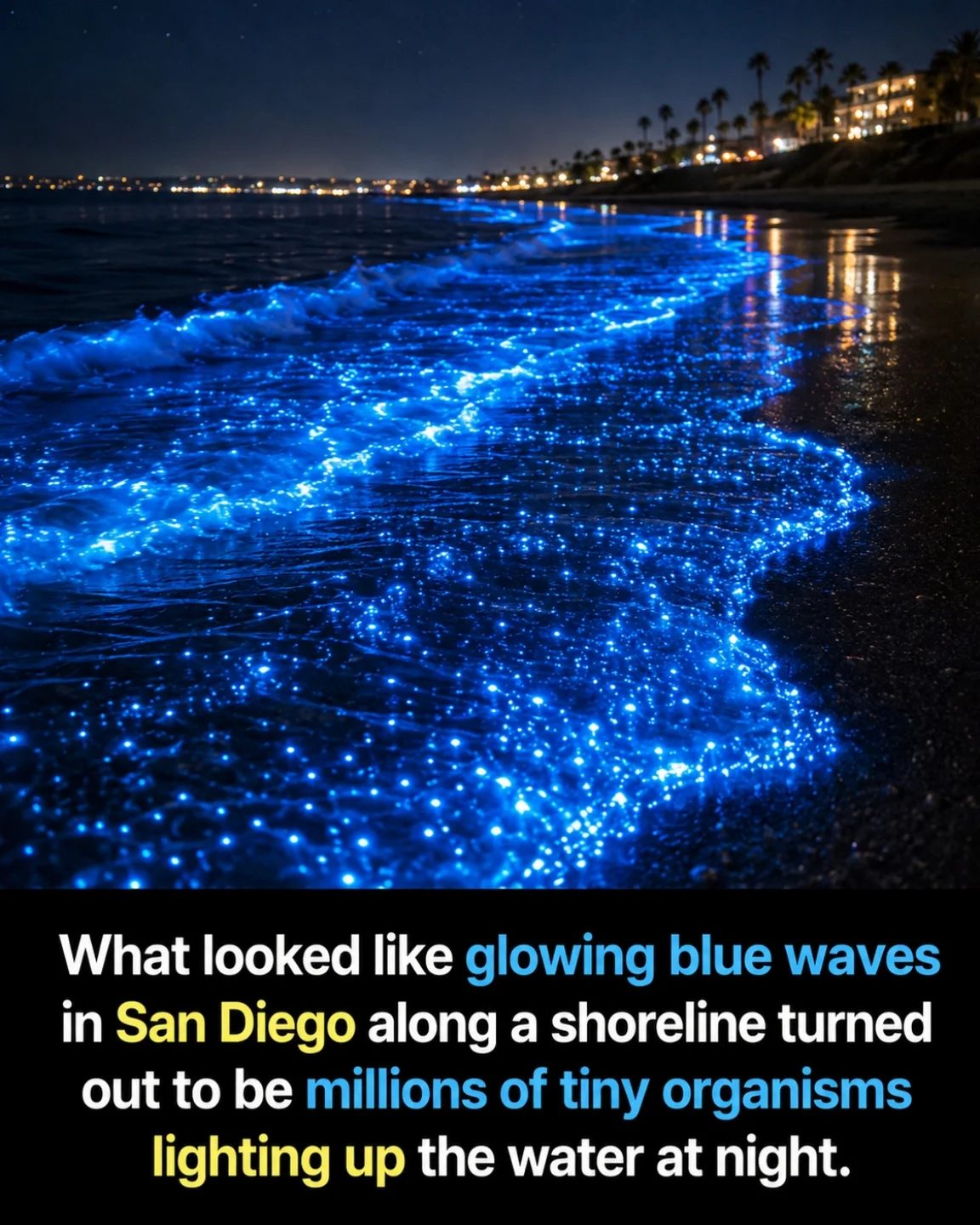
Bioluminescent Waves: A Natural Light Show in San Diego
Bioluminescent waves are a mesmerizing natural phenomenon that occurs when tiny organisms in the water emit light, creating a glowing effect. Recently, this spectacle was observed along the San Diego shoreline, captivating viewers with its ethereal beauty.
Why This Matters
Bioluminescence is a fascinating and relatively rare natural phenomenon. It occurs when living organisms produce and emit light through a chemical process. This light show is not only visually stunning but also plays a crucial role in the ecosystem. Understanding bioluminescent waves can provide insights into marine biology, oceanic health, and the intricate relationships between various organisms in the ocean.
Main Discussion
What Causes Bioluminescent Waves?
Bioluminescent waves are caused by millions of tiny organisms, such as plankton and bacteria, which emit light as a result of chemical reactions within their bodies. These organisms are known as bioluminescent phytoplankton, and they can create a breathtaking display when they are concentrated in large numbers. In San Diego, this phenomenon is often associated with red tides, which are blooms of dinoflagellates — a type of plankton that contains the bioluminescent species.
The Science Behind the Glow
Bioluminescence is the result of a chemical reaction involving a light-emitting molecule and a catalyst, usually an enzyme. The light is produced when the enzyme reacts with a substrate, such as luciferin, in the presence of oxygen. This reaction produces a blue-green light, which is often visible to the naked eye when the organisms are present in large numbers. The process is thought to serve various purposes, including communication, attracting prey, and deterring predators.
The Role of Environmental Factors
Several environmental factors contribute to the formation of bioluminescent waves. Temperature, nutrients, and water currents all play a role in determining where and when these phenomena occur. In San Diego, the upwelling of cold, nutrient-rich water from the deep ocean creates ideal conditions for the growth of bioluminescent organisms. This nutrient-rich water supports the rapid reproduction of phytoplankton, leading to the spectacular displays witnessed along the shoreline.
Practical Tips
Best Practices for Viewing Bioluminescent Waves
For those interested in witnessing this natural wonder, there are a few tips to keep in mind:
- Check the Weather: Clear, calm nights are best for observing bioluminescence. Winds and rough waters can disrupt the delicate organisms and reduce the visibility of the light.
- Timing: Bioluminescent waves are typically more visible at night, especially during spring and summer when the conditions are most favorable.
- Location: Choose a spot with minimal light pollution. Look for dark beaches where the moonlight and artificial lights do not interfere with the natural display.
- Patience: Bioluminescence is an unpredictable phenomenon. It may take several visits to catch it at its peak.
Important Takeaways
Bioluminescent waves are a captivating natural phenomenon that provides valuable insights into marine ecosystems. The glowing blue waves along the San Diego shoreline are a result of millions of tiny organisms emitting light through a chemical process. Understanding this phenomenon can help us appreciate the beauty and complexity of the natural world and the importance of preserving marine environments.
Conclusion
The bioluminescent waves along the San Diego shoreline offer a rare and enchanting glimpse into the wonders of nature. This natural light show, created by millions of tiny organisms, highlights the delicate balance of marine ecosystems and the intricate processes that sustain them. Whether you're a scientist, a nature enthusiast, or simply someone who appreciates the beauty of the natural world, witnessing bioluminescent waves is an unforgettable experience.
Questions readers ask
What are bioluminescent waves and why do they occur?
Bioluminescent waves are a natural phenomenon where the ocean's surface glows due to tiny marine organisms, such as plankton, emitting light through a chemical process. This occurs in San Diego when these organisms are stirred up by ocean currents and waves, creating a mesmerizing, ethereal glow. The intensity and color of the glow can vary based on the specific organisms present and the environmental conditions.
When is the best time to see bioluminescent waves in San Diego?
The best time to witness bioluminescent waves in San Diego is typically during the night, as the glow is more visible in the darkness. The phenomenon is often observed during warm months, when water conditions are favorable for the growth of bioluminescent organisms. Checking local reports and weather conditions can also help in planning a viewing trip, as the waves are influenced by ocean currents and weather patterns.
What types of bioluminescent organisms are commonly found in San Diego's waters?
San Diego's waters are home to several types of bioluminescent organisms, with dinoflagellates being one of the most common. These single-celled plankton are known for their blue glow, which can create a spectacular light show when disturbed. Other bioluminescent organisms include certain types of bacteria and jellyfish, which can also contribute to the glowing effect seen in the ocean.
Are bioluminescent waves harmful to marine life or humans?
Bioluminescent waves are generally not harmful to marine life or humans. The glow is a result of a natural chemical process and does not pose a threat to the environment or individuals swimming in the water. However, it is important to be cautious and follow local guidelines, as some areas with bioluminescent waves may also have strong currents or other potential hazards.
How do bioluminescent waves affect marine ecosystems?
Bioluminescent waves play a crucial role in marine ecosystems. The light produced by these organisms can be used for communication, attracting prey, or deterring predators. The glow can also serve as an indicator of ocean health, as the presence of bioluminescent organisms often signifies a thriving marine environment. Understanding the role of these organisms can provide valuable insights into the overall health of marine life and ecosystems.
What are some tips for viewing bioluminescent waves in San Diego?
To maximize your viewing experience, choose a night with minimal moonlight for better visibility. Look for dark, secluded beaches where light pollution is low. It's also helpful to arrive early and give your eyes time to adjust to the darkness. Be prepared for potential crowds, as these events can attract many viewers. Don't forget to bring a camera, but be cautious about using flash photography, which can disrupt the organisms' natural light display.
Related deep dives
Similar reads based on topic and creator.

Recent articles
Fresh deep dives from the latest Reels we unpacked.


Comments
Be the first to comment.