The Mystique of Salar de Uyuni
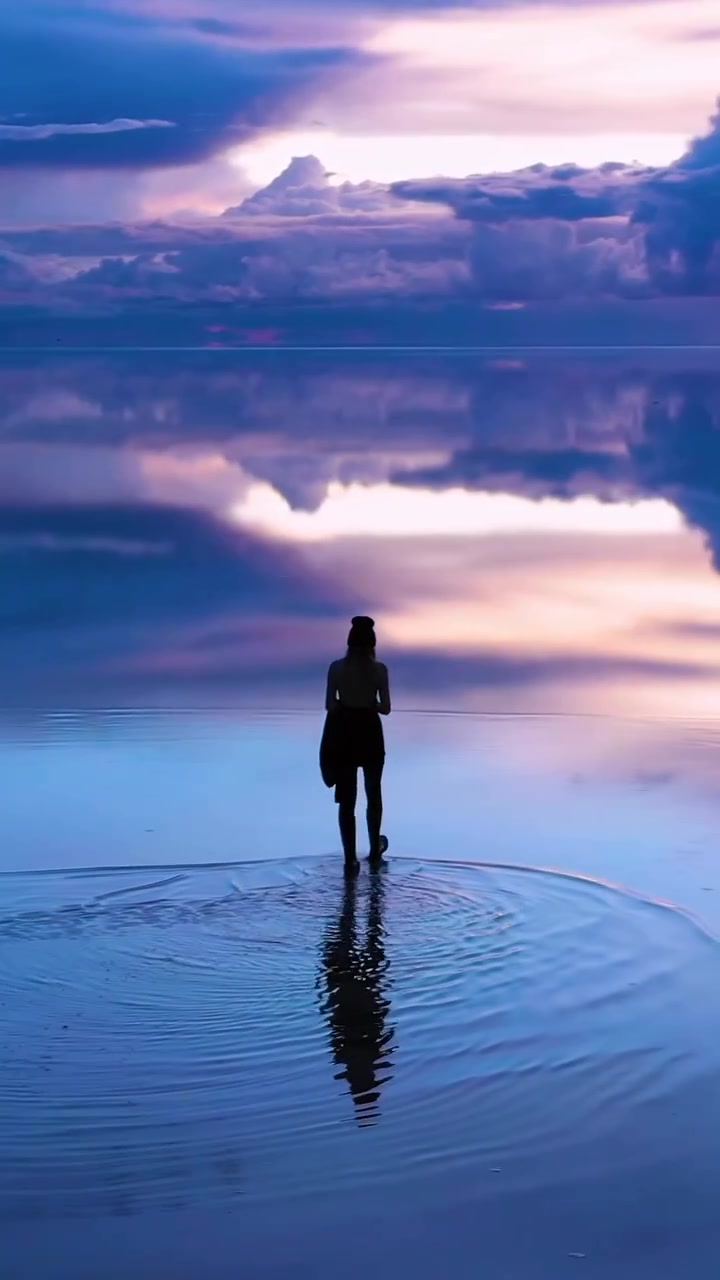
Bolivia’s Salar de Uyuni, the world’s largest salt flat, stretches over 10,000 square kilometers — more than twice the distance from Los Angeles to Las Vegas. This epic expanse is a geological marvel, a remote international destination made famous by its mirror effect, when rainwater accumulates after Bolivia's wet season. When sunlight dances off the water, sky and salt flat appear as one. But the magic of Salar de Uyuni isn't just in its size or appearance — it's a mystical experience that is deeply intertwined with Bolivia's cultural heritage. The silhouette of a person standing in the shallows is more than just a pretty shot: it embodies the solitude and grandeur of one of the most sacred sites in this part of the world. It's nature as art, nature as a temple. The flat, endless expanse of a body of water reflecting a sunset. The video captures the beauty of an ethereal atmosphere, as the sky and water seem to blur into a single entity, and every shade of the sunset is mirrored in the flats.
When Bolivia Has You at its Feet
Movement of the sun changes the reflection and colors of the reflections in the flats. The scene is at once serene and dramatic, a playground of vibrant colors — blues, purples, and pinks — and a perfect example of nature's ability to evoke the tension of the human experience. The people of Bolivia have made it sacred like a land temple and a center of worship.
### Mirrored Magic in Motion
To find the perfect reflection, learn how to navigate the rainwater and the salt flats themselves. One of the distinctive visual features of Salar de Uyuni is the "mirror effect," which occurs when the salt flats are covered with a thin layer of water following the rainy season. This creates an effect that makes it difficult to discern where the sky ends and the ground begins. When the water is just right, the sky and the earth seem to kiss and blend. This effect is created by the shallow water that accumulates on the salt flats. During the rainy season, between January and April, the water level can reach up to 40 centimeters deep, creating a pristine surface. The peaks and valleys of the salt flats can cause the water to create a patchwork of reflections, especially when viewed in the right light.
### A Silhouette in the Skies
Silhouette photography is a unique art of capturing a subject — a person or an object — against a bright background. The dramatic positioning of the person, the visual symmetry of the water and the sky, becomes transcendental when you look and see an extent of the horizon. The video highlights the beauty of natural reflections, emphasizing the symmetrical and peaceful composition of the scene. This composition makes the landscape feel like a frame of the person standing in the water. The video producers chose to highlight the human silhouette to create a unique juxtaposition between the massiveness of the salt flats and the smallness of the human figure.
### When Colors Converge
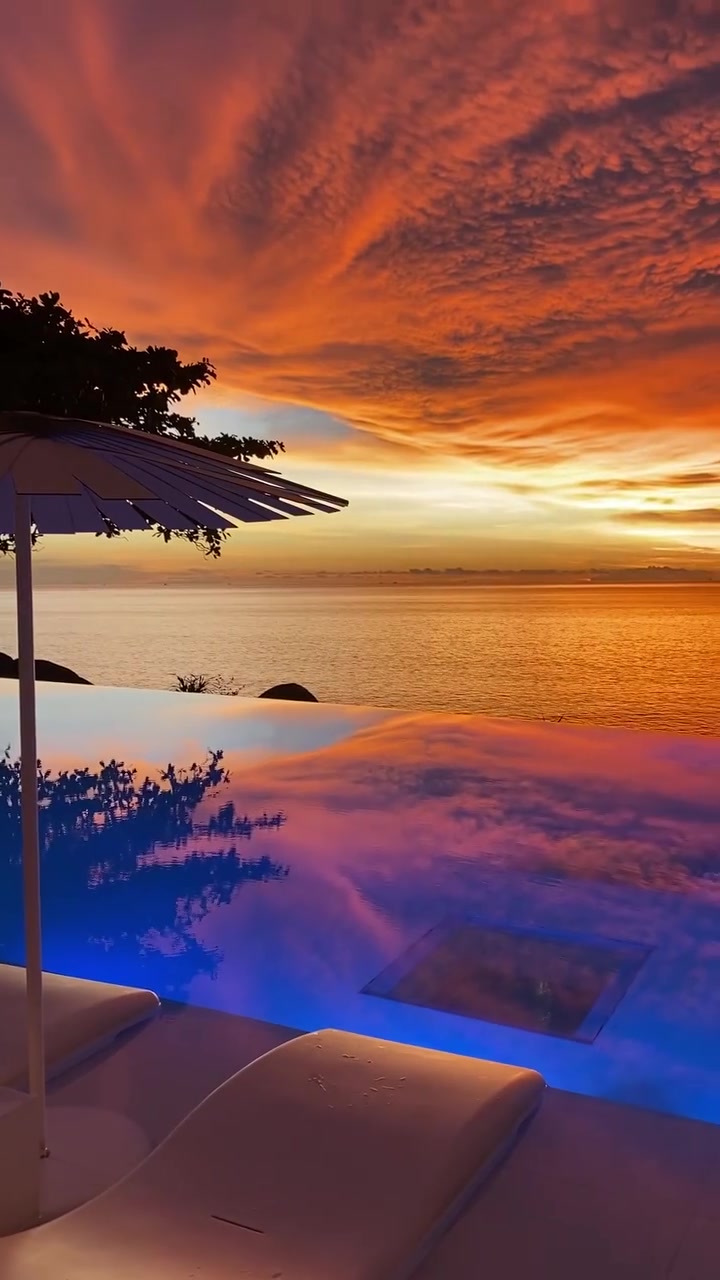
At sunset, the color palette of Salar de Uyuni shifts, emphasizing the uniqueness of the experience. The sunsets have to be viewed from the flats for the experience to be complete. The salar’s purples, blues, and pinks create a timeless experience of calm and reflection. Stunning visuals are one thing: but Salar de Uyuni's skewed color palette is an entirely different dimension. During the golden hour — the period shortly after sunrise or before sunset — the sky turns a variety of colors on the horizon. These colors are mirrored on the water, providing one of the most stunning visual experiences of the day. The intense hue of sunset makes it feel like the sun is setting in a frame. The water reflects the entire sky, making it possible to see the sunset both above and below.
When the Flats Call: Tips for Adventurers
This unique space presents a test of faith and endurance. The Salar de Uyuni is usually a scenic destination in the wet season, so plan accordingly.
- Visit Between January and April: This is the best time to experience the mirror effect, when the salt flats are covered in water.
- Book a Guide: The expanse of the salt flats can be overwhelming. A local guide can help you navigate the terrain and ensure you don't get lost.
- Pack for the Elements: The weather can be unpredictable. Bring warm and waterproof clothing.
- Capture the Sunsets: The settings are sublime, so be prepared with the right equipment to capture the mirror effect, silhouettes, and the sunset colors.
Questions readers ask
What causes the mirror effect at Salar de Uyuni, and when is the best time to see it?
The mirror effect at Salar de Uyuni is caused by a thin layer of rainwater that accumulates on the salt flats, usually after the rainy season from January to April. The best time to see this effect is when the water level is just right, creating a pristine surface that reflects the sky perfectly. Sunrise and sunset are ideal times to capture the vibrant colors and the seamless blend between the sky and the earth.
How does the mirror effect change throughout the day?
Throughout the day, the mirror effect at Salar de Uyuni changes dramatically. As the sun moves, the reflections and colors shift, creating a dynamic and ever-changing landscape. The scene can be both serene and dramatic, with vibrant hues of blues, purples, and pinks that evoke a sense of tension and beauty. The interplay of light and water makes for a unique and mesmerizing experience.
Is it safe to walk on the salt flats during the rainy season?
Walking on the salt flats during the rainy season can be safe, but it requires caution. The water can be up to 40 centimeters deep in some places, and the surface can be slippery. It's important to stay with a guide and follow safety instructions to avoid accidents. The mirror effect is most pronounced during this time, making it a unique experience despite the challenges.
How do you capture the perfect silhouette photo at Salar de Uyuni?
To capture the perfect silhouette photo at Salar de Uyuni, position yourself or the subject against a bright background, such as the sky or the reflecting water. The key is to find the right angle and timing, especially during sunrise or sunset, when the light is soft and the reflections are most striking. The contrast between the dark silhouette and the vibrant colors of the sunset creates a transcendent and dramatic image.
Are there any cultural or spiritual significance to Salar de Uyuni for the local people?
Salar de Uyuni holds deep cultural and spiritual significance for the people of Bolivia. It is considered a sacred site, much like a land temple, and a center of worship. The vast, mirror-like expanse is seen as a mystical experience that embodies the grandeur and solitude of nature, making it a profoundly meaningful place for the local community.
How do the salt flats' reflections change with the weather?
The reflections on the salt flats change significantly with the weather. During the rainy season, the water creates a smooth, mirror-like surface that reflects the sky and clouds. In contrast, during the dry season, the salt flats can appear as a vast, white expanse with a crunchy, textured surface. The weather greatly influences the visual experience, making each visit unique.
What other unique visual features can be found at Salar de Uyuni besides the mirror effect?
Besides the mirror effect, Salar de Uyuni offers other unique visual features, such as the vast, endless expanse of salt that stretches as far as the eye can see. The flat terrain creates a surreal landscape, and the salt formations, like the Isla Incahuasi, add to the otherworldly atmosphere. The interplay of light and shadow, combined with the vibrant colors during sunrise and sunset, makes for a truly unforgettable experience.
Related deep dives
Similar reads based on topic and creator.

Recent articles
Fresh deep dives from the latest Reels we unpacked.

Comments
Be the first to comment.