Songs from the Tunnel
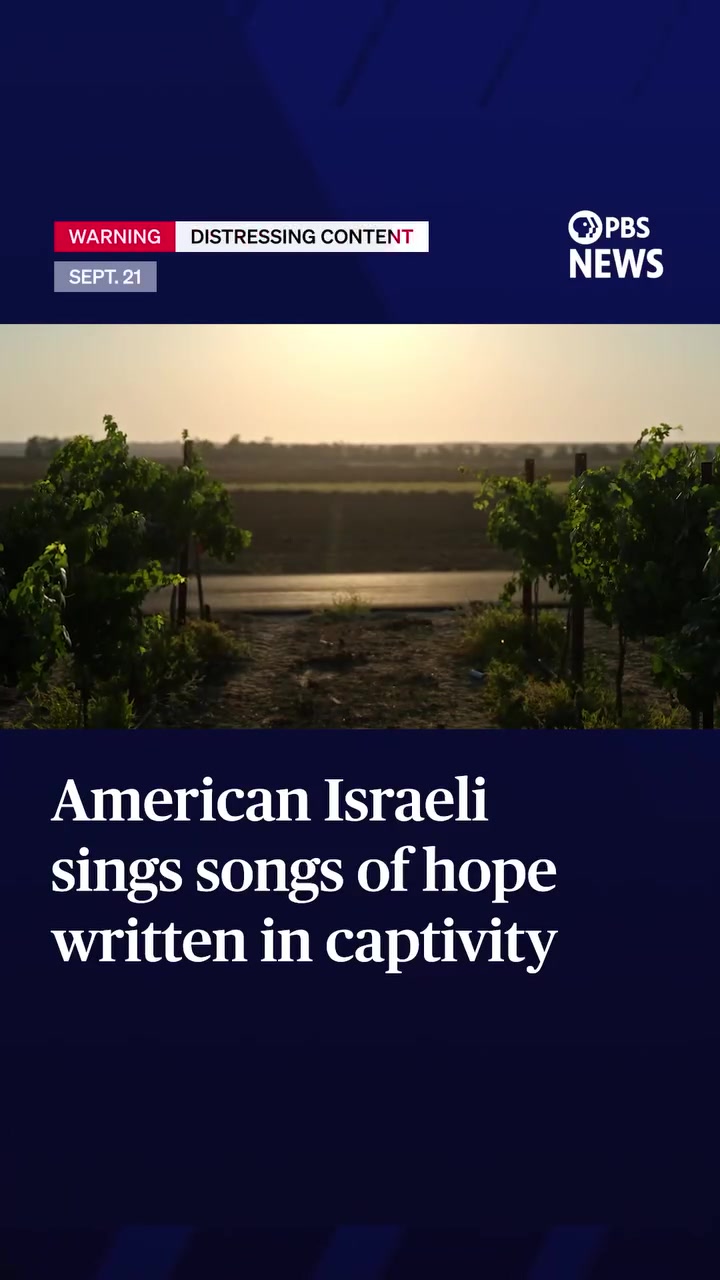
In a sun-drenched corner of Israel, just two miles from Gaza, Sagi Dekelchan held a concert on a grass lawn, singing songs of hope alongside 3,000 concertgoers. He's not a professional musician or singer, but a hometown hero, a father, and a survivor who didn't know whether he or his family would live.
The Singer from the Grass
Dekelchan’s story begins on October 7, 2023, when he was shot and kidnapped from Niroz after a wave of terror rolled into the kibbutz. He found himself in Gaza's tunnels for 498 days, a place where the conditions were unspeakable. His family, too, was caught in the devastation, with more than 40 residents killed and 70 taken hostage. His wife, seven-month pregnant at the time, and his daughters were hiding in a safe room. Dekelchan heard gunshots, explosions, terror, and screams echoing through his house. Convinced it was game over, Dekelchan realized he needed to lie to himself to survive. He told himself that his family was alive, even though he believed they were dead. This internal lie became his coping mechanism.
The Songs that Kept Him Alive
On the same day in 2023, the kibbutz of Niroz faced a harsh reality. Once a thriving community, Niroz had a significant portion of its 400 residents killed or taken hostage. Dekelchan’s home, a place of childhood memories, became a battlefield. The last thing he heard, gunmen stormed his house, leaving him with a suffocating sense of despair. He buried himself in his liess and songs—some of them his daughter’s lullabies, imagining them as a mother singing to her children. These imaginary bedtime songs were his solace, a way to fight against the relentless darkness. As the days went on, Dekelchan’s imaginative lullabies became a part of his survival.
A Family Reunited
Songs kept him alive, but they also became an integral part of his recovery and eventual reunion with his family. After his release, Dekelchan recorded the songs he had composed in captivity from memory. He had no pencil or paper, yet the songs remained vivid in his mind, a testament to their importance in keeping him going. Dekelchan’s songs served not just as a reminder for him but also as an expression of the struggle and hope of the entire community. When his family finally saw him, they found not just a survivor, but a beacon of resilience. In captivity, he had written a song for his unnamed daughter, a girl he wasn't sure he would ever meet. On the concert stage at Niroz—the place where he grew up, had his first date, and where he fought—the grass lawn became the setting for his redemption.
Singing the Story of Survival
The concert at Niroz became a powerful testament to Dekelchan’s resilience and the strength of his community. The songs and the grass lawn were icons of hope and survival. As he introduced, “This is the only place where it’s true.” The concert was a culmination of Dekelchan’s journey from despair to hope, the songs of survival a beacon to all.
Closing Beat
The songs of survival Dekelchan composed became a vibrant thread of hope and resilience. Every note represented a struggle and a triumph, a reminder that even in the darkest corners of despair, hope can be found in the simplest expressions of human emotion.
Questions readers ask
What kind of songs did Sagi Dekelchan sing during his captivity?
Sagi Dekelchan sang songs of hope and family, including lullabies he imagined singing to his daughters. These songs were a coping mechanism and a way to maintain his sanity during his 498 days in captivity. The songs were inspired by his love for his family and his desire to survive.
How did Sagi Dekelchan manage to remember the songs he composed in captivity?
Dekelchan managed to remember the songs he composed in captivity by keeping them vivid in his mind. He had no pencil or paper, so he relied on his memory to keep the songs alive. After his release, he recorded the songs from memory, showcasing the importance they held in his survival.
What was the significance of the concert at Niroz for Sagi Dekelchan and his community?
The concert at Niroz was a powerful testament to Dekelchan’s resilience and the strength of his community. It marked his journey from despair to hope, with the songs of survival serving as a beacon of hope for everyone. The grass lawn, where he grew up, became a setting for his redemption, symbolizing the resilience of the community.
How did music help Sagi Dekelchan cope with his captivity?
Music was a lifeline for Dekelchan during his captivity. He sang songs of hope and family, including lullabies, to maintain his sanity and cope with the harsh conditions. The songs became a coping mechanism, helping him survive the 498 days in Gaza's tunnels. They also played a crucial role in his recovery and reunion with his family.
What happened to Sagi Dekelchan's family during the attack on Niroz?
During the attack on Niroz, Dekelchan's family was also caught in the devastation. His wife, who was seven months pregnant at the time, and his daughters were hiding in a safe room. More than 40 residents were killed, and 70 were taken hostage, making it a harrowing experience for the entire community.
Why did Sagi Dekelchan choose to perform at Niroz?
Dekelchan chose to perform at Niroz because it was a place of significant personal and community importance. It was where he grew up, had his first date, and where he fought for his life. The concert at Niroz became a powerful symbol of his resilience and the strength of his community, marking his journey from despair to hope.
What was the role of the songs Dekelchan wrote for his unborn daughter?
The song Dekelchan wrote for his unnamed daughter was a poignant expression of his love and hope. He wasn't sure if he would ever meet her, but the song became a symbol of his resilience and the hope he held onto during his captivity. It also served as a reminder of the struggle and hope of the entire community, showcasing the emotional depth of his survival story.
Recent articles
Fresh deep dives from the latest Reels we unpacked.



Comments
Be the first to comment.