The quiet revolution in avian technology
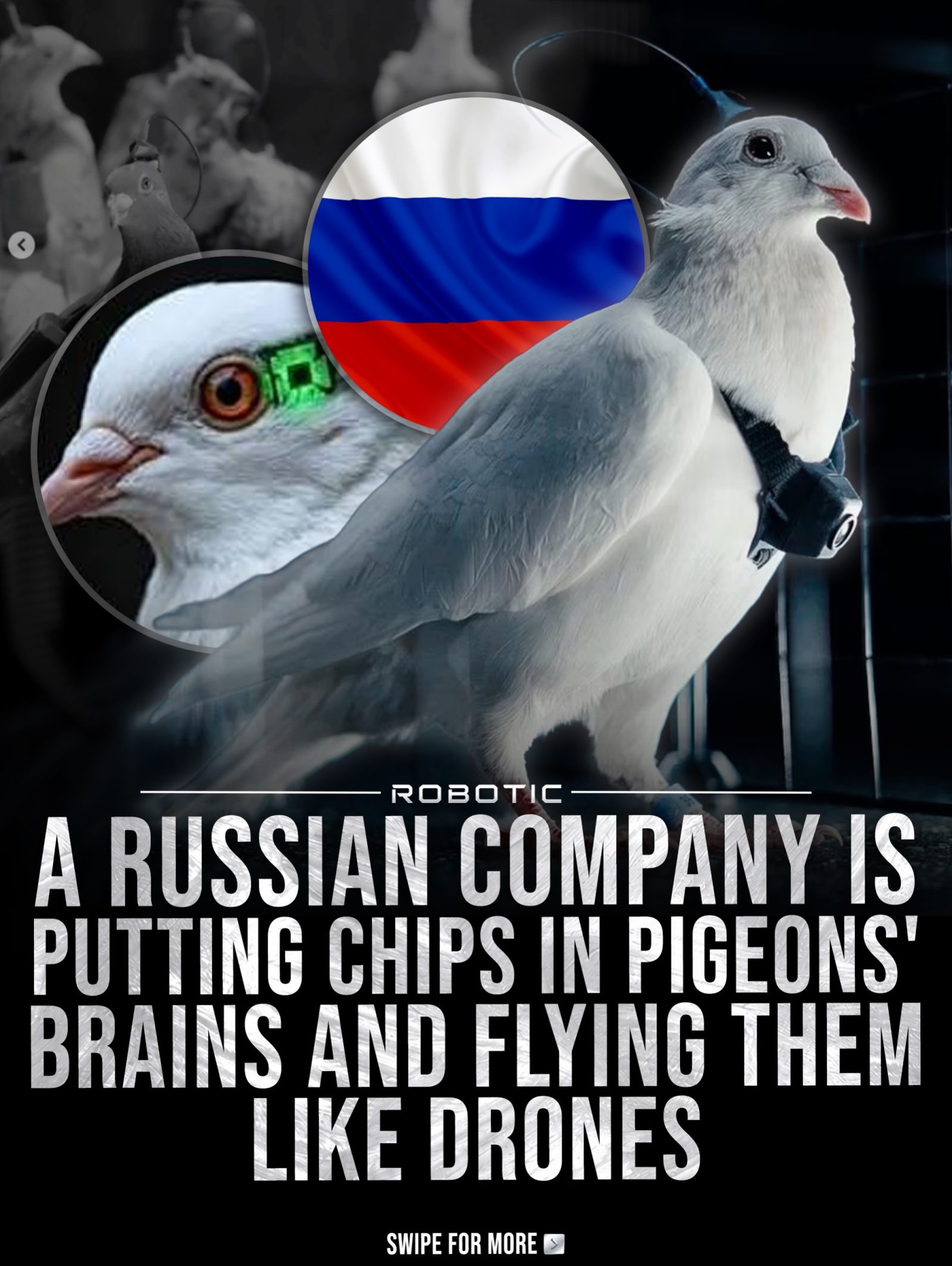
The remarkable spectacle of a pigeon drone in flight represents a fascinating intersection of biology and technology — like a stealthy drone built by a Russian company, only these aren't metal or plastic, They're modified pigeons equipped with flight controllers, cameras, and neural stimulation devices. The modified pigeons aren’t flying organisms; they are sophisticated sensors in the sky, controlled remotely. Similar to your phone that can connect to the internet. These pigeon drones can connect to a ‘remote’ who can control them. This isn’t the first instance of such a bio-tech breakthrough. In fact, pivoting from traditional drones to a bio-tech hybrid seems to be a logical next step in the drone evolution. Traditional drones face limitations in the duration and distance of their flight. These come about due to the drone’s battery capacity. Alternatively, pigeon drones, with their natural ability to feed and rest, provide longer flight -drones are non-rechargeable in flight. They are unlike the sharp contrasts of white noise and silence that can be heard in the air around them.
The mechanics of pigeon drones
The concept of pigeon drones seamlessly integrates multiple technological components. While the visuals don't provide a detailed explicit walk-through, viewers are informed of the basic parts. First, neural stimulation units are interfaced with the pigeons' brains. This technology enables remote control over the pigeon's flight. Essentially, the pigeons’ brain computes the information, which is being ‘fed’ to it, much like a human, but its decisions are made for it. The drones also feature flight controllers—responsible for stabilizing the pigeon's flight—to ensure smooth and efficient navigation. Lastly, camera modules attached to the pigeons serve as surveillance tools, providing real-time visual data from the sky. The back of each drone is likely fitted with a camera, which functions like your phone’s camera, recording and transmitting the image back to it’s ‘trainer’. However, there is nothing to say about any type of neural signal being transmitted back. In addition to the functional benefits, the modified pigeons appear inconspicuous, much like the woolly mammoth of the sky. They do not arouse suspicion. As cameras are small, and the pigeons appear to behave just like ordinary pigeons, humans may not realize they are being watched. This is a huge advantage of pigeon drones over traditional drones. Their ability to assimilate into the ordinary commotion around them makes for effective and discreet surveillance.
The ethical questions
The ethics of implanting chips into animals’ brains are contentious. This is not unlike the question of animal experimentation in the scientific community. One may ask if it is ethical to alter the natural behavior of animals for human purposes. Pigeons that are being modified aren't hurt, but they aren't living the kind of life they would naturally. It’s not truly a question of harm, but of autonomy. If you were a pigeon, would you want your life to be determined by humans? There are even deeper questions at play. Who owns and operates these pigeon drones? What kind of surveillance is being conducted—and on behalf of whom? Do the benefits of this technology outweigh the potential risks and ethical concerns. These are all valid questions that go beyond the immediate fascination of the modified pigeons. What's more, no one really knows the extent of the human interference. There's nothing to tell us whether a drone can work and be controlled on its own. This could be the case, or the Russian company could have trained the animal’s brain to perform certain tasks.
The future of pigeon drones
Pigeon drones, or ‘pigeon eyes’ as they could be called, offer an intriguing glimpse into the future of surveillance technology. Similar to how we use satellites to track weather patterns, or drones to inspect infrastructure, pigeon drones provide a unique perspective. It remains to be seen what consensual, compliant and legal uses could be found. Additionally, as the technology matures, it could revolutionize not only surveillance but the agricultural, environmental, and military sectors and provide an alternative to more traditional drones. But the line between birds and drones is increasingly becoming blurred.
Related deep dives
Similar reads based on topic and creator.




Recent articles
Fresh deep dives from the latest Reels we unpacked.



Comments
Be the first to comment.