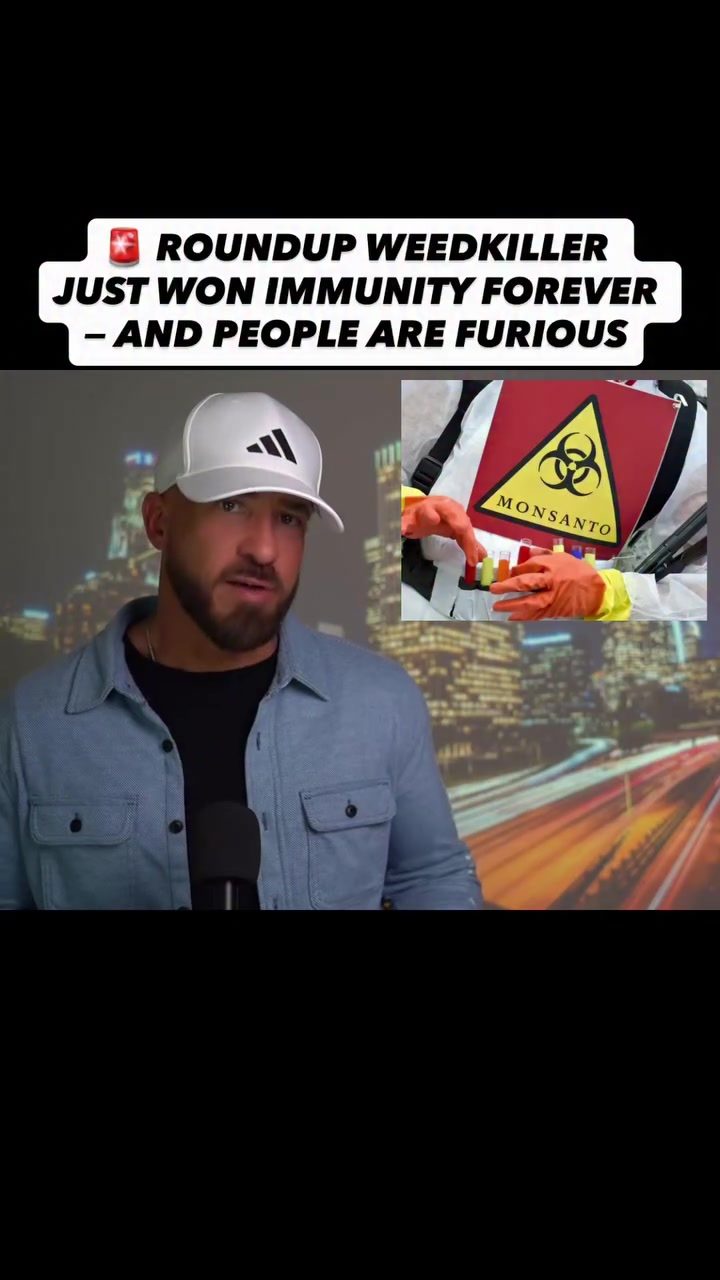
Roundup Weedkiller Just Won Immunity Forever — And People Are Furious
The Supreme Court has recently handed Bayer-Monsanto a significant victory, granting immunity to Roundup weedkiller. This decision has sparked widespread outrage and concern among critics who argue that the ruling fundamentally changes the legal landscape surrounding pesticide liability.
Why This Matters
For years, Americans have filed lawsuits claiming that Monsanto's glyphosate-based weed killers, including Roundup, contributed to cancer diagnoses. These lawsuits have been a contentious issue, with plaintiffs seeking compensation for illnesses they believe were caused by the product. The recent Supreme Court decision, however, may effectively shut the door on future liability claims.
The Legal Battle
The Supreme Court Ruling
The Supreme Court's decision in favor of Bayer-Monsanto was a close call, with a 7-2 vote. This ruling means that pesticide manufacturers can no longer be sued for failing to warn consumers about potential health risks, as long as the Environmental Protection Agency (EPA) has approved the product. The EPA's approval is now being used as a shield to protect these manufacturers from legal action, despite ongoing skepticism about the agency's impartiality and reliability.
The Pesticide Liability Shield
Critics have long been aware of Bayer's strategic maneuvers to secure a liability shield. The company has invested heavily in multiple fronts—through the executive branch, Congress, and the judicial system—to achieve this immunity. The recent Supreme Court decision is seen as a significant victory for Bayer, effectively granting them the legal protection they sought.
EPA's Role and Public Trust
The EPA, the agency responsible for regulating pesticides, has been criticized for being too close to the industries it oversees. This concern has only intensified with the new ruling, as the EPA's approval of a product now serves as a legal shield against lawsuits. Many believe that the EPA's regulatory processes are not adequately protecting public health, further eroding public trust in the agency.
Glyphosate and Health Risks
Glyphosate, the active ingredient in Roundup, has been a contentious issue due to its potential health risks. Despite the EPA's approval, glyphosate's safety remains a subject of debate. Recent approvals of pesticides that produce tumors in lab animals and are deadly to marine life have raised alarms about the long-term effects on human health. The lack of comprehensive long-term studies on these chemicals adds to the public's skepticism and concern.
Environmental Impact
The environmental impact of glyphosate spraying is also a critical issue. Aerial views of fields, especially in areas like the Lassen region, reveal the stark effects of glyphosate use. Hillsides covered in reddish dirt, devoid of vegetation, serve as a telltale sign of glyphosate spraying. This environmental degradation is not limited to private timberlands; the US Forest Service is also planning to use glyphosate, raising further concerns about its widespread impact.
Practical Tips
Given the recent legal developments and ongoing debates about glyphosate, it is crucial to take practical steps to minimize exposure and stay informed. Here are some tips:
Limit Exposure
- Avoid Direct Contact: If you are using Roundup or any glyphosate-based weedkiller, wear protective clothing, gloves, and a mask to minimize skin and respiratory exposure.
- Use Alternatives: Explore organic and eco-friendly weed control methods, such as manual weeding or using vinegar-based solutions.
Stay Informed
- Follow Legal Updates: Keep an eye on legal developments and regulatory changes regarding glyphosate and other pesticides. This will help you stay informed about potential risks and your legal rights.
- Support Advocacy Groups: Join or support organizations that advocate for stricter regulations and better oversight of pesticide use. This can help amplify your voice and push for policy changes.
Important Takeaways
The Supreme Court's decision granting immunity to Roundup weedkiller has significant implications for public health, environmental safety, and legal accountability. The ruling highlights the need for greater transparency and independence in regulatory bodies like the EPA. It also underscores the importance of supporting advocacy efforts aimed at enhancing pesticide regulations and protecting public health.
Conclusion
The recent legal developments surrounding Roundup weedkiller and glyphosate have sparked a nationwide debate about pesticide safety, regulatory oversight, and legal accountability. While the Supreme Court's decision in favor of Bayer-Monsanto has granted immunity to the weedkiller, it has also fueled public outrage and concern. As the conversation around glyphosate and Roundup continues, it is essential to stay informed, advocate for stricter regulations, and adopt practical measures to minimize exposure and protect public health.
Questions readers ask
What does the Supreme Court's ruling mean for future lawsuits against pesticide manufacturers?
The Supreme Court's ruling grants immunity to Roundup, which may significantly limit future legal actions against pesticide manufacturers. This decision suggests that it will be much more challenging for individuals to pursue claims related to health issues they believe were caused by pesticides, such as Roundup.
What is the significance of the glyphosate-based weed killers controversy?
The controversy surrounding glyphosate-based weed killers, like Roundup, stems from claims that they contribute to serious health issues, such as cancer. Many Americans have filed lawsuits against Monsanto, the original manufacturer, alleging that exposure to glyphosate led to their diagnoses.
How has the EPA regulated weedkillers in light of these controversies?
The EPA has been involved in regulating weedkillers, but the Supreme Court's decision may limit the scope of future regulatory actions. The EPA has historically reviewed the safety of glyphosate and other pesticides, but the new ruling complicates efforts to address health and safety concerns through legal means.
What impact does the Bayer Roundup decision have on consumers?
The Bayer Roundup decision grants legal immunity to the product, which means consumers who believe they have been harmed by Roundup may find it difficult to seek compensation through the courts. This decision could leave consumers with fewer options for recourse if they develop health issues they attribute to the weedkiller.
What are the potential health risks associated with glyphosate?
Glyphosate, the active ingredient in Roundup, has been linked to various health risks, including cancer. Many studies and legal cases have highlighted these potential dangers, leading to widespread public concern and numerous lawsuits against the manufacturer.
How has Monsanto responded to the cancer lawsuits?
Monsanto, now owned by Bayer, has consistently maintained that glyphosate is safe when used as directed. The company has defended against numerous lawsuits, arguing that scientific evidence supports the safety of its products. However, the recent Supreme Court ruling effectively shields the company from future legal challenges related to glyphosate.
What does the pesticide immunity ruling mean for environmental and health advocates?
The pesticide immunity ruling is a setback for environmental and health advocates, as it reduces the ability to hold manufacturers accountable for potential health and environmental harms. This decision may deter future efforts to address concerns related to pesticide use and its impact on public health.
Related deep dives
Similar reads based on topic and creator.

Recent articles
Fresh deep dives from the latest Reels we unpacked.




Comments
Be the first to comment.