The Regenerative Serum: A Glowing Path to Biological Reprogramming
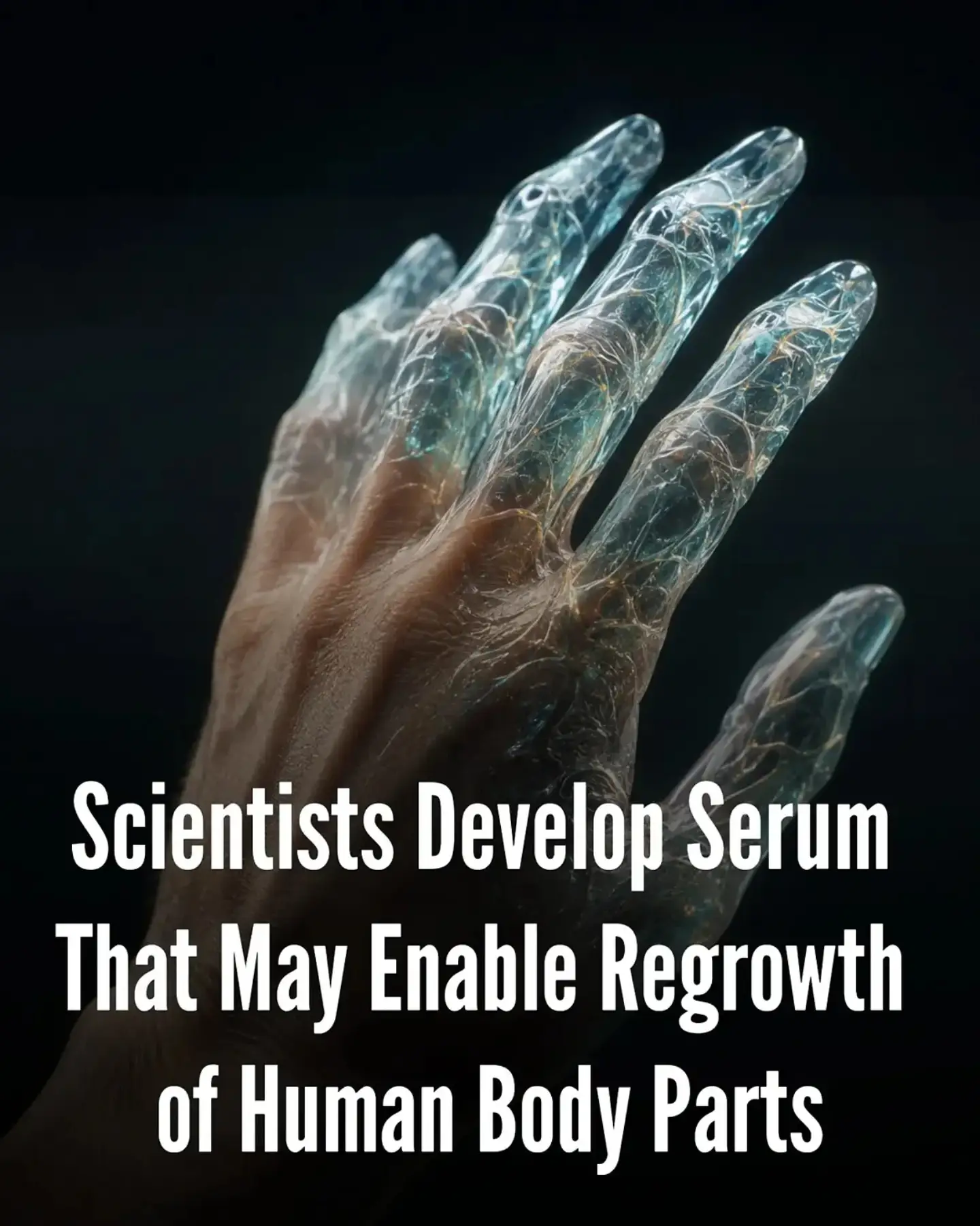
The “regenerative serum” being developed by researchers has sparked controversy and hope in equal measure. This serum is designed to reactivate dormant genetic pathways that are only active during embryonic development, potentially enabling the regrowth of human body parts. The visual highlights of the serum in the video emphasize its potential through a glowing, blue substance being applied to a human hand.
Building Blocks / Roots of Biogenesis
The regenerative serum is a breakthrough in regenerative medicine with a unique regenerative mechanism. The key idea rests on the notion that the human body, during embryonic development, can form complete organs from mere cells. The serum is designed to tap into dormant genetic pathways that are active during fetus development, where cells can divide and differentiate into various tissues. Researchers have found that mature cells can be coaxed back into an embryonic-like state, allowing for cell division and differentiation. This approach is inspired by the natural regenerative abilities of salamanders and other animals. The novelty is in harnessing these pathways for controlled biological reprogramming. The serum is an experimental mixture primarily aimed at reawakening biological pathways. When applied, the serum manipulate dormant genetic pathways and cause cells to partially regain their ability to divide and form new tissue. However, the exact recipe and genetic pathways involved are not specified. This mystery is reflective of the fact that the serum is still experimental, and its use has yet to be standardized. The visual of the serum glowing blue is deeply tied to the imagining of the technology’s potential but holds no mechanistic weight. Unfortunately, the serum’s luminous effect does not indicate its potency or progress.
Chronic Condition / The biology of aging
The concept stems from a fundamental question: if the human body can form complete organs during embryonic development, why is that ability switched off after birth? This has long baffled scientists and is the basis of an ongoing exploration in the regenerative process. Understanding why this regenerative ability is lost could pave the way for treatments that harness it. This research can lead to more scientific discoveries, the potential applications are significant. If successful, the serum could revolutionize medicine by enabling the regeneration of lost body parts, potentially curing conditions such as diabetes, spinal cord injuries, and other diseases rooted in cell damage. However, researchers caution against premature excitement, noting that the technology is still far from human application. One key challenge is ensuring precise control to avoid uncontrolled growth or abnormal tissue formation.
Biological Versatility / Translating Embryonic Genomes
The regenerative serum, while experimental, carries the promise of transforming limb loss from a permanent condition to a temporary one. Researchers emphasize that the technology makes it possible for cells to re-enter a “biological reprogramming” state. This breathtaking transformation mimics natural regenerative processes seen in certain animals, such as salamanders. The salamander’s ability to regenerate lost limbs has fascinated scientists for decades, and the serum is inspired by these natural processes. One viewer points out the dramatic impact of the serum on living tissues, noting how it "reactivates dormant genetic pathways that are normally active only during early embryonic stages." This reactivation is crucial for organ formation and could potentially change how we treat injuries and diseases. However, achieving this regeneration in humans is no small feat. Researchers are still grappling with precise control over cellular growth, as excessive activation of these pathways could lead to uncontrolled growth and abnormal tissue formation. In early animal studies, specific conditions were required to induce this reprogramming in mature cells. This requirement highlights the need for further research and development before the serum can be safely applied to humans. Combining the serum with other techniques, such as tissue engineering and stem cell therapy, could enhance its effectiveness. This multi-disciplinary approach could help overcome the current limitations and bring the serum closer to clinical application. It could potentially extend the regenerative effects beyond just limbs to other parts of the body.
Challenges on the Road Ahead / Safety First
Precision in cellular growth is one of the main challenges. Researchers emphasize that excessive activation of these pathways could lead to uncontrolled growth or abnormal tissue formation. This requires careful calibration and control. The need for such precision also underscores the potential risks associated with the serum. If not properly controlled, the serum could cause unpredictable and dangerous outcomes. For example, some tumors arise from uncontrolled cell growth. In a similar vein, if the serum causes excessive cell proliferation, it could lead to the formation of abnormal tissues or tumors. This possibility necessitates rigorous testing and safety measures before the serum can be considered safe for human use. Another challenge is addressing questions from the public. Researchers caution that the science behind the serum is still complex and subject to ongoing research. Yet some viewers are curious about how close the technology might be to ready-to-use applications and wonder if using the serum might cause harmful side effects. Researchers agree that these concerns will need to be addressed through extensive research and development.
Enhancing the Serum’s Misson
If the serum eventually proves safe and effective in clinical settings, it could usher in a new era of regenerative medicine. For now, the serum is a beacon of hope in the field of regenerative medicine, with the potential to transform how we treat injuries and diseases. It offers a glimpse into a future where the loss of a limb is no longer permanent, but the beginning of a complete regeneration process. The serum’s impact could extend beyond limb regeneration to other parts of the body, potentially curing conditions rooted in cell damage. By combining the serum with other techniques, such as tissue engineering and stem cell therapy, we could enhance its effectiveness and bring it closer to clinical application. This multimodal approach could help overcome current limitations and pave the way for safer, more effective treatments. The serums potential to change lives will need to be tested by the researchers and practitioners. Before it can be applied to humans, rigorous testing and safety measures will be necessary. But in a visual sense, the glowing serum offers an incredible image of hope and progress. Once the science is ready, this serum could shake up the medical field and offer unprecedented treatments that could change lives.
Related deep dives
Similar reads based on topic and creator.



Recent articles
Fresh deep dives from the latest Reels we unpacked.



Comments
Be the first to comment.