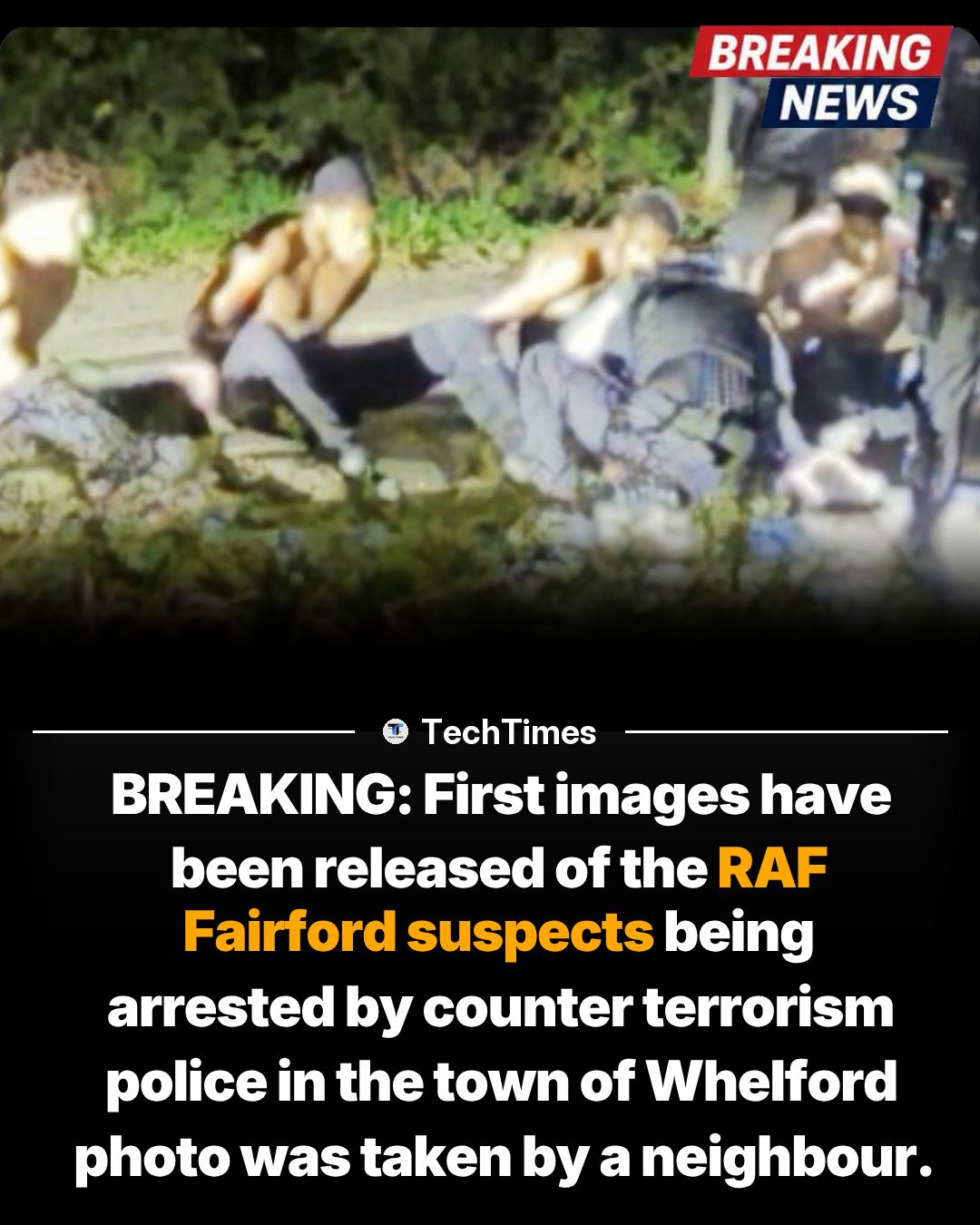
Countert Terrorism Sweep at RAF Fairford
RAF Fairford has become a focal point in an ongoing counter-terrorism investigation. Images from the arrest of suspects have been released, begging the question, what is counter-terrorism policing, and what does it tell us about the broader threat landscape in the UK? This is what we know so far.
Counter-terrorism Policing at RAF Fairford
Counter-terrorism policing involves a wide array of activities carried out to prevent, detect, and disrupt terrorist activities. The Royal Air Force base at Fairford has become the focal point of much needed counter-terrorism efforts. The base is known for its strategic location and military operations. RAF Fairford was recently the scene of a high-profile arrest by counter-terrorism police, highlighting the base's role in national security. Those arrested are described as suspects whose photos were taken by a neighbor. The images, according to TechTimes, show police officers and the suspects. What makes these images particularly significant is the context in which they were captured. The arrests occurred in a wooded area in the town of Whelford, which is near RAF Fairford, suggesting a level of planning and coordination in the operation. This setting is not incidental. Wooded areas, by their nature, provide cover and concealment, making them ideal for clandestine activities. The choice of location underscores the need for vigilance in areas that might seem remote or inconspicuous. The mere presence of counter-terrorism police at RAF Fairford suggests a level of heightened alert or concern. Fairford has historically been a critical military facility. Given its proximity to crucial infrastructure and military installations, any perceived threat would be a serious concern for authorities. The police and security personnel operating in this space are adeptly trained to manage such threats. The nature of the arrests underscores the fact that the defense and security personnel stand vigilant. While the specific details of the suspects' identities and the charges against them have not been released, the fact that they were arrested by counter-terrorism police indicates a serious threat. The presence of counter-terrorism units suggests that the investigation is part of a broader effort to safeguard national security.
The Strategic Significance of RAF Fairford
Our defense strategies need to increase the frequency of counter-terrorism operations. Strategy involves deploying well-trained personnel and sophisticated surveillance equipment. At RAF Fairford, the airport's historical legacy as a vital military center adds an extra layer of significance to any security operation. Strategically located, it has been used for various military operations, including as a base for US forces during conflicts. Counter-terrorism measures are part of a broader effort to protect such strategic assets, underscoring the importance of pre-emptive counter-terrorism measures. Every ongoing investigation shows how possible future threats are averted, and this enhanced security is instrumental for defense strategy. The arrests at RAF Fairford underscore the persistent threat of terrorism. RAF Fairford's proximity to crucial military installations and its historical significance make it a prime target for potential attacks, but a venue for emergency detention. The arrests highlight the ongoing efforts of counter-terrorism police to thwart such threats. While the identities of the suspects and the specific nature of the charges against them remain unclear, the fact that they were arrested by counter-terrorism police underscores the seriousness of the threat. The presence of counter-terrorism units indicates a heightened state of alert and a proactive approach to preventing potential attacks.
The Mechanics of a Counter-Terrorism Operation
A counter-terrorism operation involves meticulous planning and execution. The arrests at RAF Fairford provide a glimpse into these. The choice of location, a wooded area, suggests a strategy aimed at minimizing visibility and potential disruption. The operation likely involved extensive surveillance and intelligence gathering, which is a common part of counter-terrorism efforts. This is a probable portrayal of how the police monitors the defense environment to identify potential suspects. These efforts are part of a broader strategy that involves integrating advanced technology, training, and tactics. The operation highlights co-ordination between different government agencies is indispensable. Coordination among different agencies, including local police, counter-terrorism units, and defense personnel, indicates how agencies collaborate and ensure seamless operations. The wooded area where the arrest was made is also a point to consider, suggesting that the suspect were being monitored for a period of time. The presence of a neighbor taking the suspected photo also indicates that the operation involved the community in carrying out this operation.
The Community as a Partner in Security
Neighborhood photos and civilian eyes on the ground make the community a key partner in counter-terrorism. Police often rely on the community for information and support. The fact that a neighbor took the photo of the suspects being arrested underscores this collaboration, civilian eyes are the first line of defense. This collaboration between law enforcement and the community is crucial in thwarting potential threats. Police often rely on the community for information and support. Civic engagement and public safety programs play a key role in this strategy. The involvement of civilians in the operation represents enhanced surveillance from civilian eyes, in this case, a neighbor. As such photos of suspects being arrested portray, civilians play a key role in counter-terrorism operations. This enhances the information gathering efforts of the police. On one of the many visuals shown, a photo is taken by a neighbor, which shows the arresting police officials and individuals in the arrest.
How the Woodland Setting Affects Operations
The wooded area where the arrests took place is significant. Counter terrorism police surveillance in wooded areas present unique challenges and opportunities. The natural cover of trees and foliage in the region provides ample opportunities for concealment, and by extension, for clandestine activities. It also makes it difficult for law enforcement to monitor the area without detection. In a forest-based environment, the police can surveil suspects without raising suspicion. The fact that the arrests took place in a wooded area suggests that the suspects were aware of the need to operate in such low-visibility environments. Investigators took advantage of the cover provided by the trees to apprehend suspects.
The Role of Surveillance Technology
Increasing the issue of terrorism, surveillance technology has become a cornerstone of counter-terrorism efforts. Technology plays a critical role in these operations. Surveillance cameras, drones, and other advanced technologies are deployed to monitor potential suspects and gather intelligence. The use of such technology allows for continuous monitoring of suspects without the need for direct confrontation. Investigative services use the technology in a way that the surveillance goes undetected which this is evident in the visuals.
Evaluate Potential Threats and Risks
As a civilian, recognize the signs of potential risks, and learn about counter-terrorism personnel, and plan for a defense. Knowing the signs of potential threats is crucial for civilians. Recognizing suspicious behavior, unusual activities, and potential indicators of a threat is the first step in countering terrorism. It is essential to remain vigilant and report any suspicious activities to the authorities. The role of civilians in counter-terrorism extends beyond mere observation. Citizens can take proactive measures to enhance their own safety and that of their communities. This includes taking part in emergency preparedness training, participating in community security programs, and staying informed about potential threats.
- Stay Alert: Be aware of your surroundings and report any suspicious activities to the authorities.
- Know the Signs: Familiarize yourself with common indicators of potential threats, such as unusual behavior or activities.
- Report Anonymously: Use anonymous reporting channels if you are unsure about reporting directly to the police.
- Participate in Community Programs: Engage in local community security initiatives and emergency preparedness training.
- Stay Informed: Keep up-to-date with the latest news and advisories from official sources. Know the techniques law enforcement uses in your area. Learn the ins and outs of how investigations work with these law enforcement officers, and hence this is critical to identifying and mitigating potential threats. Stay proactive by taking part in self-defense classes and learning how to respond in the event of an emergency.
Questions readers ask
What exactly is counter-terrorism policing and what does it involve?
Counter-terrorism policing is a specialized branch of law enforcement focused on preventing, detecting, and disrupting terrorist activities. It involves a wide range of activities, including surveillance, intelligence gathering, and coordinated operations. In the case of RAF Fairford, it highlights the strategic importance of the base and the meticulous planning involved in counter-terrorism operations. The arrests near the base suggest that counter-terrorism efforts are aimed at safeguarding critical infrastructure and military installations.
Why was RAF Fairford chosen as a focal point for these counter-terrorism efforts?
RAF Fairford's strategic location and historical significance as a military base make it a critical asset for national security. Its proximity to crucial infrastructure and military installations means that any perceived threat would be of serious concern to authorities. The base has been used for various military operations, including as a base for US forces, adding to its importance in defense strategies.
What does the choice of location for the arrests tell us about the suspects' intentions?
The arrests occurred in a wooded area near RAF Fairford, suggesting a level of planning and coordination. Wooded areas provide cover and concealment, making them ideal for clandestine activities. This choice of location underscores the need for vigilance in areas that might seem remote or inconspicuous, indicating that the suspects may have been involved in activities requiring secrecy.
Why haven't the details of the suspects' identities and charges been released?
The specifics of the suspects' identities and the charges against them haven't been released to the public, likely to protect the ongoing investigation and to avoid compromising any sensitive information. Counter-terrorism investigations often require a high degree of secrecy to ensure the safety of the public and the success of the operation. However, the fact that they were arrested by counter-terrorism police indicates a serious threat.
How does the presence of counter-terrorism police at RAF Fairford affect the local community?
The presence of counter-terrorism police at RAF Fairford likely increases the sense of security for the local community, as it shows that authorities are taking proactive measures to protect the area. However, it may also cause some disruption and heightened alertness, as residents become aware of the potential threats and the need for vigilance.
What role do the images of the arrests play in the counter-terrorism investigation?
The images of the arrests provide visual evidence of the operation and can aid in public awareness and understanding of the counter-terrorism efforts. They also serve as a deterrent, showing that authorities are actively monitoring and responding to potential threats. The images highlight the strategic importance of the base and the meticulous planning involved in such operations.
How does the historical legacy of RAF Fairford influence current counter-terrorism measures?
RAF Fairford's historical legacy as a vital military center adds an extra layer of significance to any security operation. Its strategic location and past use for various military operations, including as a base for US forces, make it a critical asset for national security. This historical context influences the current counter-terrorism measures, emphasizing the importance of pre-emptive actions to protect such strategic assets.
Recent articles
Fresh deep dives from the latest Reels we unpacked.



Comments
Be the first to comment.