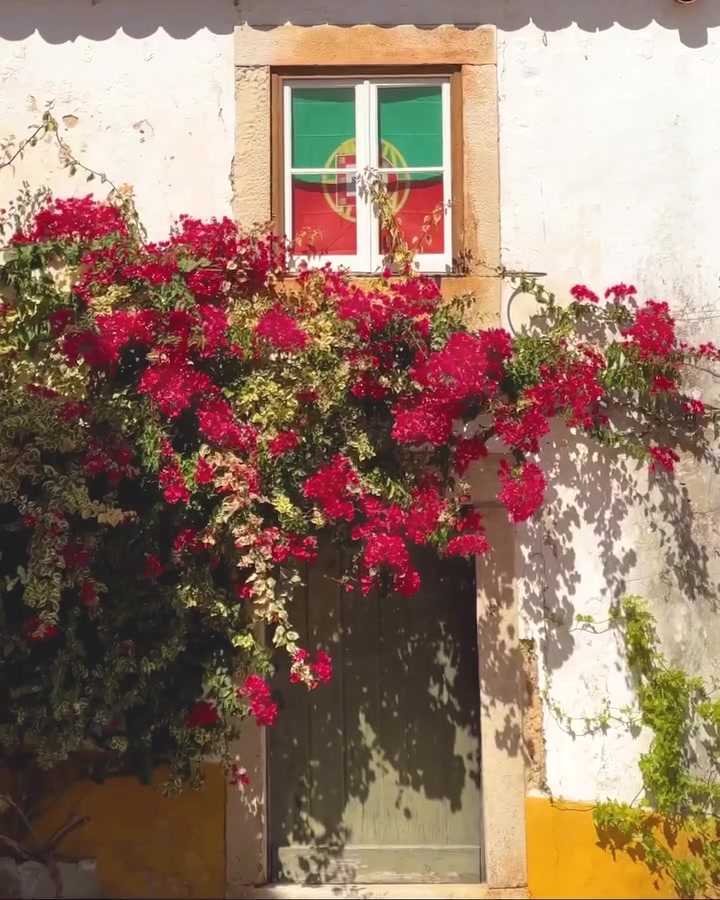
The harmonious union of Portuguese Architecture and Flowers
Portuguese architecture is known globally for its ornate, historic buildings. But the charm of Portugal isn’t limited to its man-made structures — the country’s lush foliage and vibrant flowers also play a starring role. Take bougainvillea, for example. These vibrant red flowers casually cascade down the walls of a traditional Portuguese building. The contrast creates an inviting scene that's both cohesive and calm. PLaces like this stand as testament within the country's architecture and are reminiscent of the larger aesthetic relationship between nature and design. This dynamic cascades beyond bougainvillea. Other flowers that blossom in the region help integrate man-made structures with their environment.
The Perfect Symbiosis of Portugal: Architecture and Nature
Portuguese architecture features a unique blend of historic and modern influences. Traditional buildings, often with ornate facades and intricate tile work, called azulejos, are common. These architectural elements give Portugal its distinctive character. The rise of masonry and the use of azulejos evolved from the 1500s onwards. This type of tilework is not only a form of craftsmanship, but it also provides a type of cooling in hot climates. Azulejos are a distinguishing factor of Portuguese structures and their aesthetic. Lining the bougainvillea flowers with this architecture is something that’s both planned and spontaneous. Bougainvillea is a vine that can blossom freely, with its vines taking root in whatever surfaces it touches. This means the plant thrives in Portugal's Mediterranean climate and grows well along walls and fences. Gardeners also adopt the bougainvillea for its decorative appeal, using it to enhance the natural surroundings and to connect the vibrancy of flowers to the smooth lines, angles, and ornaments of Portuguese buildings.
Vines and Architecture Blend to Create the Portuguese Identity
The harmonious union between Portugal’s bougainvillea flowers and its traditional architecture goes beyond mere aesthetics. The flowers' vibrant colors create a stunning contrast against the earthy tones of the historic buildings, making the scene as visually impressive as the history of the buildings themselves. The bougainvillea cascades down the walls, highlighting the building's lines and arches, and the interplay between the natural and man-made elements underscores the strong connection between Portugal and its natural surroundings. The Portuguese flag's red and green coloring blends seamlessly with this harmony, so much so that it’s almost as if the flag endeavors to create a consistency between the nation’s design and its use of color.
The Bougainvillea Flower: An Unlikely Floral Showstopper
Bougainvillea is unique among flowers. Unlike the delicate rose or the intricate orchid, bougainvillea is a vine and a type of bloom that surpasses others. Its beauty is an unexpected one: people tend to think of it as a decorative plant, but it is more than that. Bougainvillea does not need much care, nor do they need to be cultivated. The bougainvillea flower is known in Portugal as papagallo. It is a type of plant that is so versatile, as it can grow almost anywhere, even in a rocky soil. Its ability to thrive in a non-nurturing environment makes it the epitome of hardiness. This is an invaluable trait in a country that experiences a Mediterranean climate, where temperatures can range significantly. Bougainvillea blooms attract butterflies and hummingbirds, adding to the vibrancy of the landscape. The plant often clings to walls, which helps to hold the building together; it is not uncommon for these plants to keep a building intact.
How Bougainvilleas Adapt to Portugal's Mediterranean Climate
Portugal’s Mediterranean climate is ideal for bougainvilleas. The mild winters and hot, dry summers foster the growth of this resilient plant. In Portugal, bougainvilleas thrive because of the heat and because of its ability to survive even in poor soil, including the coastal cliffs and hillsides. The bougainvillea's adaptability has been well documented. The flowers are also a source of food for bees, which are also integral to the country’s ecosystem, as they produce honey. This mutual dependence highlights how interwoven Portugal’s flora is within its Mediterranean climate.
The Cultural Significance of Bougainvillea
Bougainvillea can be found in Portugal, Spain, and Italy, but the flowers are an especially beloved part of the Portuguese landscape. While it may have originated in South America, it has been successfully cultivated in the Mediterranean region for centuries. There are several varieties of bougainvillea, including color variations such as orange, pink, and even purple. Each color brings a unique nuance to the architectural backdrop, thereby adding to the natural beauty of Portuguese architecture. Many gardens across Portugal have such vibrant displays during the summer, creating a vibrant canvas of color.
The Details Beneath the Craftsmanship
Portugal's traditional buildings have intricate masonry, making the bougainvillea an apt complement. These buildings have been carefully crafted over the centuries, with the bougainvillea vines being a natural extension. The bougainvillea plant adds a sense of vibrancy to the buildings, and the contrast of the vibrant flowers against the neutral colors of the bricks and tiles creates a striking visual impact. The colors of the bougainvillea also accentuate the intricate designs of the masonry, making the overall aesthetic far more appealing. This pair creates an unforgettable landscape.
How to see this for yourself
Portugal is a dream destination for anyone interested in both architecture and nature. Fancy a vacation that combines them both?
- Step 1: Plan a trip to Portugal. Taking a trip to Portugal gives you an opportunity to witness the bougainvillea firsthand. The country has a Mediterranean climate, making it an ideal destination.
- Step 2: Wander through Portugal’s historic towns. Both Lisbon and Porto are perfect spots. But local towns are a must, as the cities have more indigenous plants.
- Step 3: Visit a flower marketplace. While not as popular as the traditional markets, you can find them, and they are the best place to find bougainvillea plants. This helps you take a piece of Portugal back home. They’ll almost certainly teach you about its care and can even help you with any preparation you might need.
The Bond Between Man and Nature
Picture a Portuguese garden, vibrant bougainvillea cascading down a traditionally- built wall. Herbs and vegetables growing on the side of an old building. Portugal and the bougainvillea are in a beautiful harmony. Rich bougainvillea are not just for aesthetic pleasure, but they provide food and support to the ecosystem of the country. Portugal’s traditional architecture, meanwhile, is a testament to human craftsmanship.
Questions readers ask
What makes bougainvillea so well-suited to Portuguese architecture?
Bougainvillea thrives in Portugal's Mediterranean climate and grows well along walls and fences. Its vibrant colors create a stunning contrast against the earthy tones of historic Portuguese buildings, and its cascading vines highlight the architectural lines and arches, making the scene both visually impressive and historically resonant.
How do bougainvillea flowers integrate with traditional Portuguese buildings?
Bougainvillea flowers integrate with traditional Portuguese buildings through a combination of planned and spontaneous growth. Gardeners often use the plant to enhance the natural surroundings and connect the vibrancy of flowers to the smooth lines, angles, and ornaments of the architecture. The plant's ability to take root in various surfaces allows it to thrive along walls and fences, creating a cohesive and inviting scene.
What are azulejos and how do they relate to bougainvillea in Portuguese architecture?
Azulejos are intricate tile work that is a distinguishing factor of Portuguese structures. These tiles not only provide a form of cooling in hot climates but also create a unique blend of historic and modern influences. Bougainvillea flowers often line the walls adorned with azulejos, enhancing the natural surroundings and connecting the vibrancy of the flowers to the smooth lines and ornaments of the architecture.
Can I grow bougainvillea in my own garden to mimic the Portuguese aesthetic?
Yes, you can grow bougainvillea in your garden to mimic the Portuguese aesthetic. Bougainvillea is a hardy plant that doesn't require much care, and it thrives in warm climates. To achieve the same look, plant bougainvillea along walls or fences, allowing its vines to cascade and create a vibrant contrast with the surrounding architecture.
Is the bougainvillea flower native to Portugal?
No, the bougainvillea flower is not native to Portugal. It is believed to have originated in South America. It was introduced to Portugal and has since become a popular ornamental plant due to its vibrant colors and ability to thrive in the Mediterranean climate. It is known in Portugal as *papagallo*.
How does the use of bougainvillea in Portuguese architecture reflect the country's identity?
The use of bougainvillea in Portuguese architecture reflects the country's strong connection to its natural surroundings. The vibrant colors of the bougainvillea flowers create a stunning contrast against the earthy tones of historic buildings, and the cascading vines highlight the architectural lines and arches. This interplay between the natural and man-made elements underscores Portugal's unique identity and its harmonious blend of nature and design.
Related deep dives
Similar reads based on topic and creator.



Recent articles
Fresh deep dives from the latest Reels we unpacked.



Comments
Be the first to comment.