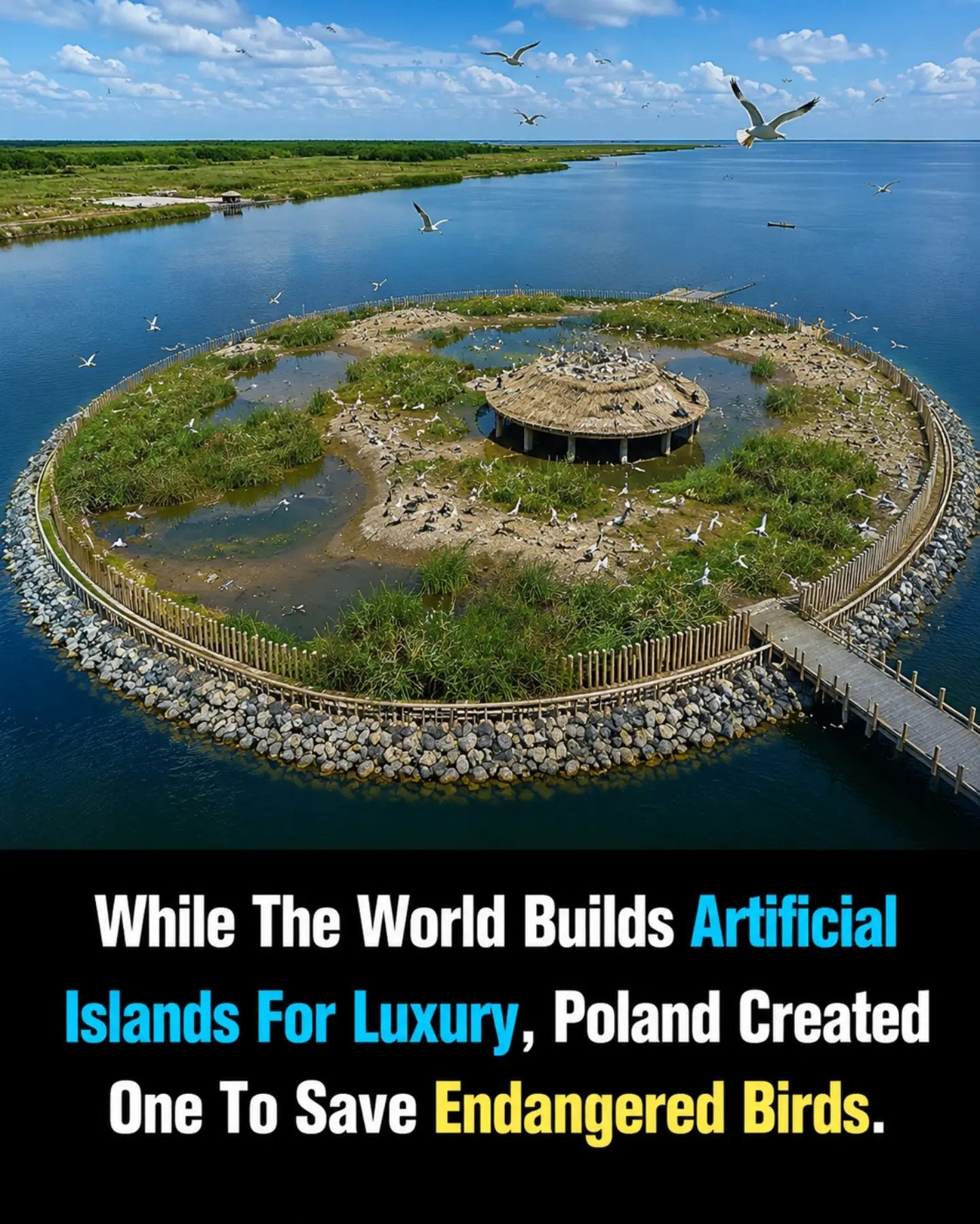
Artificial Island for Birds in Poland
Artificial islands are typically associated with luxury developments, but Poland has taken a different approach. A unique artificial island in Poland serves a critical environmental purpose: protecting endangered birds. This innovative project contrasts sharply with the trend of building artificial islands for commercial or residential use, highlighting a commitment to conservation efforts.
Context / Why this matters
The construction of artificial islands for luxury purposes, like those seen in Dubai or the Maldives, often raises questions about sustainability and environmental impact. However, the island in Poland presents a counterexample, demonstrating that artificial islands can be a valuable tool for environmental conservation. The island showcases how human innovation can be harnessed to protect and preserve endangered species.
Main discussion
The design and layout
The artificial island in Poland is designed with a circular layout, surrounded by a stony barrier. This design helps to create a protected habitat for the birds, shielding them from predators and providing a safe breeding ground. The island also features a central structure with a walkway leading to it, which likely serves as a monitoring station or a control point for researchers and conservationists.
The stone barrier not only protects the birds but also prevents erosion and maintains the island's structural integrity. The central structure and walkway suggest a level of human oversight, indicating that the island is part of a monitored conservation effort.
The purpose and benefits
The primary purpose of this artificial island is to provide a safe haven for endangered bird species. By creating a protected habitat, Poland is helping to preserve biodiversity and support species that are at risk of extinction. The island's design and layout are tailored to meet the specific needs of the birds, ensuring their survival and reproduction.
The island benefits from its isolation and protected environment. The surrounding water acts as a natural barrier, keeping predators at bay and minimizing human interference. This allows the birds to thrive in a safe and secure environment, free from the threats they would face in the wild.
The contrasting use
Unlike many artificial islands built for luxury resorts, residential areas, or commercial developments, the island in Poland serves a purely conservation-oriented purpose. This contrast highlights the versatility of artificial islands and their potential for environmental stewardship. While luxury developments often prioritize economic gain, this island puts conservation and sustainability at the forefront.
The island's design and layout are tailored to provide a safe and secure habitat for endangered birds, showcasing a different approach to artificial island construction. The stone barrier and central structure are not features of a luxury resort but are essential components of a conservation effort. Poland's approach demonstrates that artificial islands can be a valuable tool for environmental conservation, not just for economic development.
Practical tips
Creating effective habitats
Artificial islands can be designed to provide optimal habitats for different species. The key to their success is understanding the specific needs of the target species and tailoring the island's design accordingly.
For instance, the island in Poland is designed to protect endangered birds. The circular layout, stone barrier, and central structure all contribute to creating a safe and secure habitat. Other habitats might require different features, such as nesting sites, feeding grounds, or specific vegetation.
It is essential to involve experts in the design process to ensure that the habitat meets the needs of the targeted species. Collaboration with researchers, conservationists, and local communities can provide valuable insights and ensure the island's long-term success.
Ensuring sustainability
Creating and maintaining artificial islands for conservation purposes requires a sustainable approach. The environmental impact of the construction process should be minimized, and the island should be designed to be self-sustaining over the long term.
To achieve this, consider using locally sourced materials and eco-friendly construction methods. The island should also be designed to minimize the need for ongoing maintenance, reducing the human footprint and potential disruptions to the habitat.
Monitoring and management
Effective monitoring and management are crucial for the success of any conservation project. Artificial islands for conservation purposes should be regularly monitored to ensure that they are providing the intended benefits for the targeted species.
This could involve periodic assessments of the island's condition, population counts of the target species, and monitoring of environmental factors such as water quality and habitat health. Regular monitoring can help identify any issues early and allow for timely interventions to maintain the island's effectiveness as a habitat.
Important takeaways
Artificial islands can be a valuable tool for environmental conservation, as demonstrated by the unique project in Poland. By creating protected habitats, countries can support endangered species and preserve biodiversity. The design and layout of the island in Poland provide a model for future conservation efforts, showcasing the potential for artificial islands to serve a critical role in protecting wildlife.
Conclusion
The artificial island in Poland stands as a testament to the creative potential of environmental conservation. By contrast with luxury developments, this project emphasizes the importance of sustainable practices and habitat preservation. As global efforts to protect endangered species continue, such innovative approaches will be essential in securing a future where biodiversity can thrive.
Questions readers ask
What is the primary purpose of Poland's unique artificial island?
The primary purpose of Poland's unique artificial island is to serve as a sanctuary for endangered birds. It provides a protected habitat and a safe breeding ground for at-risk species, aiding in their conservation and survival.
How does Poland's artificial island differ from other artificial islands?
Unlike many artificial islands built for residential or commercial purposes, Poland's artificial island is dedicated to environmental conservation. It is designed specifically to protect endangered birds and support their breeding and survival, making it a unique example of conservation efforts.
What features make Poland's bird sanctuary effective for conservation?
The sanctuary's design includes a stone barrier, which helps to create a protected habitat. This, combined with human oversight, ensures that the island provides a safe and secure environment for endangered birds to breed and thrive. The circular layout of the island also contributes to its effectiveness as a sanctuary.
What types of birds benefit from Poland's conservation efforts on the artificial island?
The artificial island in Poland is designed to benefit a variety of endangered bird species. While specific species are not mentioned, the sanctuary provides a protected habitat for birds that are at risk, helping to ensure their survival and support their breeding efforts.
How does the layout of the artificial island support bird conservation?
The layout of the island, including its circular design and stone barrier, is specifically crafted to protect and support endangered birds. These features create a safe breeding ground and a protected habitat, allowing birds to thrive in a secure environment with minimal human interference.
What role does human oversight play in the conservation efforts on the artificial island?
Human oversight on the artificial island is crucial for monitoring the health and population of the endangered bird species. It ensures that the sanctuary remains a safe and secure habitat, and that conservation efforts are effectively implemented and maintained.
Related deep dives
Similar reads based on topic and creator.
Recent articles
Fresh deep dives from the latest Reels we unpacked.
Comments
Be the first to comment.