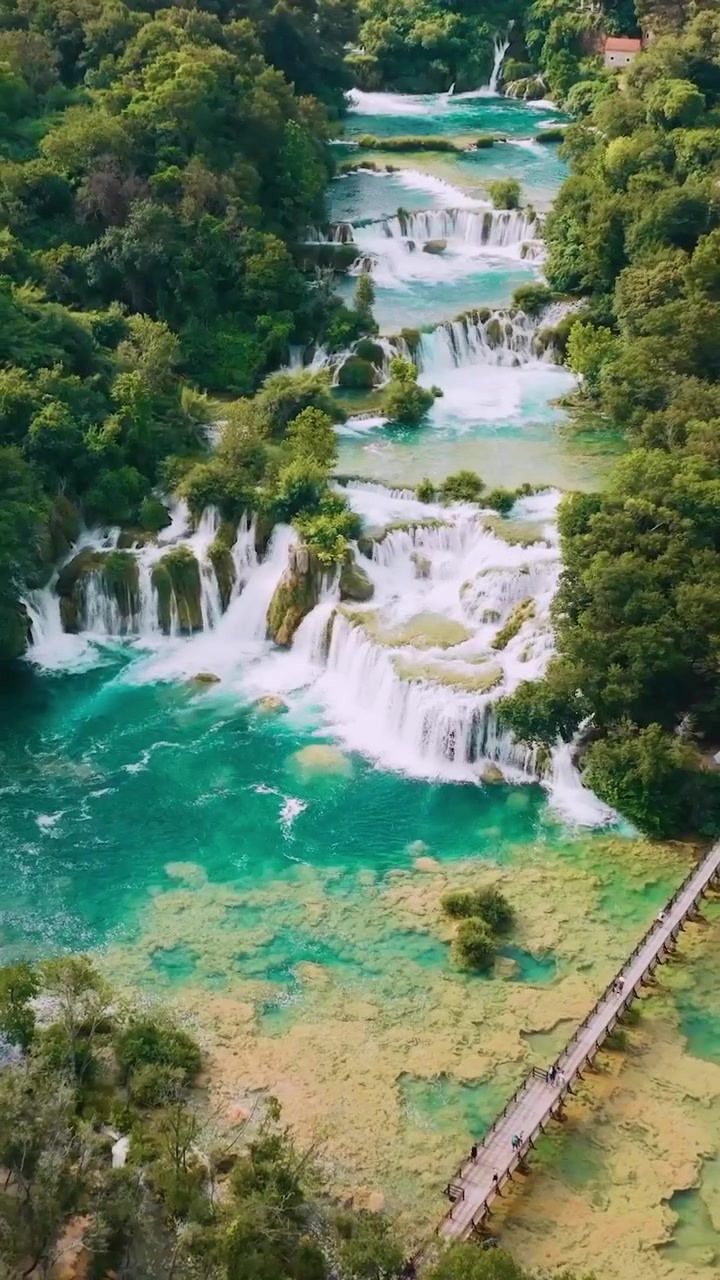
Plitvice Lakes National Park is a Croatian oasis where sixteen lakes cascade into each other, their vibrant turquoise waters flowing over time-worn rocks. This UNESCO World Heritage site, with waterfalls and lagoons everywhere you look, is miles from the nearest "tourist trap."
The tiered splendour
Plitvice Lakes is hundreds of square miles wide and contains sixteen connected lakes, each tiered above the next. Multiple waterfalls cascade down from one to the next, creating a stunning spectacle of water in motion. The lakes are fed by underground springs and rivers. Each lake is connected to the next by streams and waterfalls. Small islands of vegetation are scattered throughout the lakes. The terrain is rough, with steep cliffs and jagged rocks. The waterfalls are narrow. Despite its rough landscape, the lakes are clear and calm, with calm lakes of teal and milky turquoise. Lush green vegetation surrounds them. The terraced water creates an effect of the vignettes the camera depicted. Access to see this complexity in person are maintained with wooden walkways. These walkways are spread throughout the park, making the lakes and waterfalls accessible to visitors while preserving the delicate ecosystem. This makes Plitvice Lakes a unique landscape that combines the thrill of hiking in the mountains and the peace of exploring a lakeside park.
Croatia's crown of blue
Plitvice Lakes National Park is Croatia's oldest national park. Since 1949, it has been a UNESCO World Heritage site. The lakes' vibrant turquoise color is due to mineral deposits and karstic soil found in the limestone bedrock. This is a surprising color to see in nature, especially when contrasting with the surrounding greenery. The contrasting colors create a beautiful and picturesque landscape. The early 20th century almost saw the park eroded to make way for hydroelectricity. However, today it is a national treasure and popular tourist destination. It competes in the tourism industry with other so-called "blue laces" of Croatia, like Lake Bled (in Slovenia), the Plitvice Lakes are a sight to see.
Form follows flow: How one lake leads to the next
Plitvice Lakes has a strong hydrogeological flow. As the water flows from one lake to the next, it gains velocity and energy. This creates a flowing cascade of waterfalls. The waterfalls are small and narrow. Consequently, the park has a gentle flow and a sense of peace. The lakes' natural outlet is the Korana and Draga rivers. The lakes are formed in a dolomite landscape, with waterfalls and caves. The sheer beauty of the park attracts tourists from all over the world. Water flowing from the lakes also helps form the stunning turquoise pools that attract visitors.
The allure of the untouched aqua
Minor mineral deposits and microorganisms contribute to the vibrant turquoise color of Plitvice Lakes. The colour comes from the calcium bicarbonate and carbonate ions in the water and the rich Calcita in the rocks. The color created by the lakes is a result of the limestone and the dolomite rocks, creating an earthy, green-blue color.
The intricate yet upright aquatic web
Plitvice Lakes is a unique ecosystem with diverse flora and fauna. The park is home to many plant species, including various mosses, ferns, and trees. The park is also home to many animal species, including bears, wolves, and deer. The waterfalls and lakes create a diverse ecosystem. Plitvice Lakes is a UNESCO World Heritage site, which means it is protected by international law. The park is also a national park, which means it is protected by Croatian law. Plitvice Lakes is a popular tourist destination and a critical habitat for many plant and animal species. The park's ecosystem is fragile. Invasive species and pollution pose a threat to the park.
The park generator
The park's unique ecosystem is maintained by the water flowing through it. The waterfalls and lakes create a diverse ecosystem that supports a variety of plant and animal species. The wooden walkways in the park also play an essential role in maintaining the park's ecosystem. The walkways allow visitors to access the lakes and waterfalls without damaging the delicate ecosystem.
Making a splash
Plitvice Lakes National Park is a must-see destination for nature lovers and adventure seekers. Here are some tips for making the most of a visit:
- Choose the right season: Plitvice Lakes is open year-round, but the best time to visit is during the spring and summer months. This is when the waterfalls are at their fullest, and the weather is mild.
- Explore the park: The park has several trails that offer stunning views of the lakes and waterfalls. The trails are well-marked and range from easy to difficult. There are also wooden walkways that allow visitors to get up close and personal with the waterfalls.
Remember the Lakes
Plitvice Lakes National Park is a natural wonder that showcases the beauty of Croatia's landscape. The park's unique ecosystem, diverse flora and fauna, and stunning waterfalls make it a must-visit destination. The wooden walkways and trails allow visitors to explore the park without damaging the delicate ecosystem. Whether you're a nature lover or an adventure seeker, Plitvice Lakes National Park is a destination that should be on your bucket list.
Questions readers ask
How do the lakes at Plitvice Lakes National Park maintain their vibrant turquoise color?
The lakes' vibrant turquoise color comes from a combination of mineral deposits, such as calcium bicarbonate and carbonate ions, and microorganisms. The dolomite and limestone bedrock also contribute to the unique color, which contrasts beautifully with the surrounding greenery.
Can visitors access all parts of the park, or are some areas restricted?
The park is designed to be accessible to visitors with wooden walkways spread throughout, ensuring that people can explore the lakes and waterfalls while preserving the delicate ecosystem. This makes it possible to experience the splendor of the waterfalls and lakes without damaging the environment.
What makes Plitvice Lakes National Park unique compared to other tourist destinations in Croatia?
Plitvice Lakes National Park stands out due to its cascading lakes, waterfalls, and lagoons, which create a stunning and unique landscape. Unlike typical tourist destinations, it offers a blend of mountain hiking and lakeside exploration, making it a truly distinctive experience.
Are there any other nearby attractions that offer similar natural wonders?
While Plitvice Lakes is unique, there are other notable attractions in the region, such as Lake Bled in Slovenia. However, Plitvice Lakes' combination of waterfalls, turquoise lakes, and rugged terrain sets it apart, making it a must-visit destination.
How does the park manage to preserve its ecosystem while allowing visitors to explore?
The park uses wooden walkways to allow visitors to explore without disturbing the delicate ecosystem. This ensures that the natural beauty of the park is maintained while still providing an accessible experience for tourists.
Related deep dives
Similar reads based on topic and creator.



Recent articles
Fresh deep dives from the latest Reels we unpacked.

Comments
Be the first to comment.