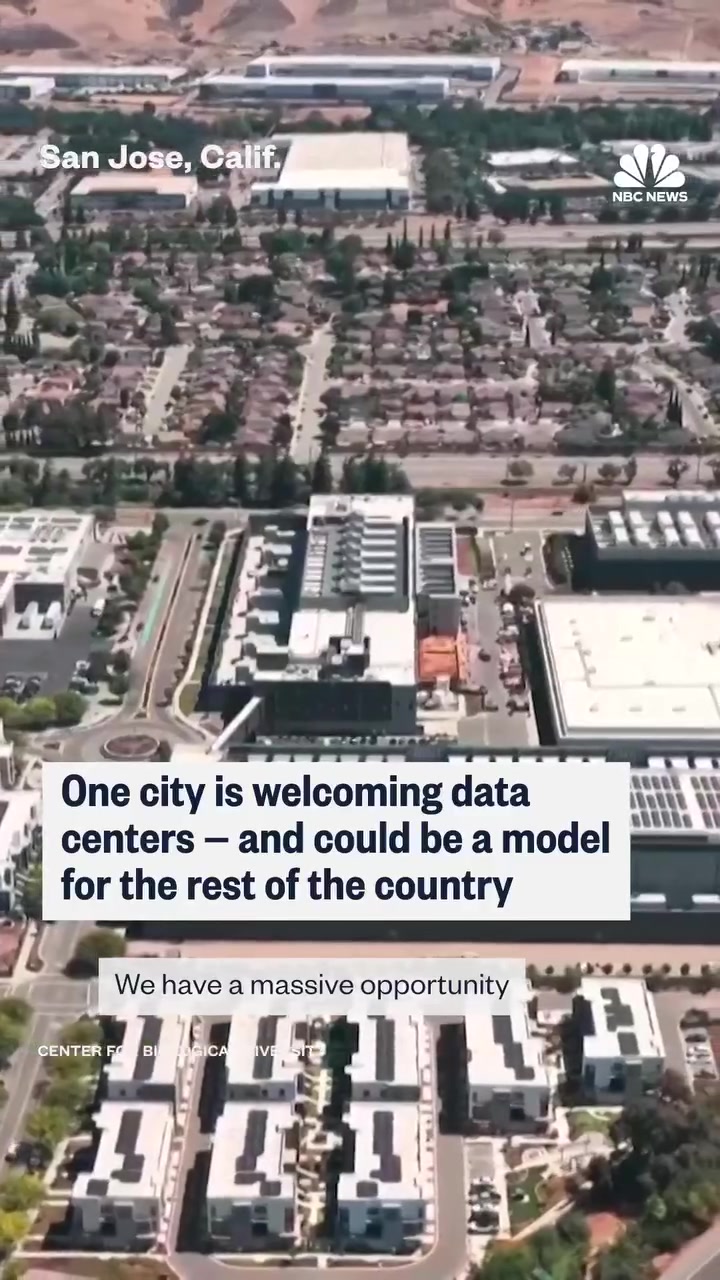
A City at the AI Crossroads
Pennsylvania Governor Josh Shapiro has signed "The strictest guardrails in the nation" for managing data center development. Philadelphia’s newest tech boom has revolutionized the city’s economy. Meanwhile, Pittsburgh’s AI and robotics sector has turned the city into a hub for advanced technology. Pittsburgh is now leading the way in integrating AI into its urban fabric.
Seattle's Lesson: How Friction with Technology Can Derail Urban Growth
It’s not the first time a city has seen such an opportunity, but it might be the most challenging. Little more than two decades ago, the city of Seattle faced a similar economic turning point. The city's explosive tech growth, including the rise of Amazon and other giants, brought prosperity but also significant disruption. Homes became unaffordable, traffic worsened, and the city struggled with the consequences of rapid, unchecked growth. In contrast, Pittsburgh’s recent economic revitalization has been more measured, with local leaders emphasizing the need for community support and sustainable development. This approach is reflected in Shapiro’s new policy, which requires data centers to generate their own power and earn local support before receiving permits.
The AI/Groundedness Balance
Pittsburgh’s AI and robotics sector has grown significantly, and the city could be the key for the industry as it seeks to scale up. Pittsburgh's tech scene is experiencing growth, and the speaker is optimistic about Pittsburgh's future. AI leaders that are choosing to build their companies in Pittsburgh are doing so with a certain "level-headed groundedness." They know that the area is committed to ensuring that technology is built for the benefit of humanity. Pittsburgh is positioning itself to be a hub for advanced technology, emphasizing the potential for innovation in the city.
Building Data Centers in Rural Communities
Shapiro’s policy mandates that any company looking to build a data center in Pennsylvania must first earn local support, generate its own power, and work with local labor and communities. This approach has already shown success in smaller communities across the state, where projects have either been embraced or rejected based on local input. One notable example is a project in western Pennsylvania, where the community voted to have the data center built. Conversely, a community in Archibald in the northeastern part of the state rejected a similar project, and it did not go forward. Shapiro’s policy is a direct response to these community-driven decisions, ensuring that data centers are built only where they are wanted and needed. Shapiro’s policy is a response to the rapid expansion and backlash against data centers. It includes strict guidelines that require data centers to generate their own power, work with local labor, and have a local benefits agreement. The policy is designed to ensure that data centers do not put additional strain on local resources or burden consumers with higher costs.
Lansing’s AI Horizon
The benefits of Pittsburgh’s AI renaissance have extended beyond the tech sector. The city now hosts a thriving startup ecosystem, along with a strong educational infrastructure and the presence of major corporations. This holistic growth has shown the power of technology and the uplift it can bring to a city. The technology can bring to a city. The potential of Pittsburgh’s AI sector is limitless. The city’s commitment to ethical technology development and community engagement positions it as a model for other cities and regions looking to harness the power of AI for economic growth and social benefit. However, it’s crucial to balance this potential with careful consideration of the challenges and concerns that come with rapid technological advancement. Ultimately, the success of Pittsburgh’s approach will be judged by the benefits it brings to humanity. The city’s focus on ethical AI development and community engagement sets a promising precedent for the future of technology in urban areas.
Questions readers ask
What specific guidelines are included in Shapiro’s policy for data center development in Pittsburgh?
Governor Shapiro's policy for data center development in Pennsylvania includes strict guidelines such as requiring data centers to generate their own power, work with local labor, and earn local support through a benefits agreement. These measures are designed to ensure that data centers contribute positively to the community without overburdening local resources.
How does Pittsburgh’s approach to AI growth differ from Seattle’s past experiences?
Pittsburgh’s approach to AI and tech growth is more measured and community-focused compared to Seattle’s past. While Seattle’s rapid tech expansion brought prosperity, it also led to significant issues like housing affordability and traffic congestion. Pittsburgh, on the other hand, is emphasizing sustainable development and community support to avoid similar pitfalls.
What role do local communities play in the approval process for data centers in Pennsylvania?
Local communities play a crucial role in the approval process for data centers in Pennsylvania. According to Shapiro’s policy, data centers must earn local support before receiving permits. This means that communities have the power to approve or reject data center projects based on their needs and preferences, ensuring that these developments are beneficial to the local area.
Why is Pittsburgh considered a hub for advanced technology, especially in AI and robotics?
Pittsburgh is considered a hub for advanced technology due to its significant growth in the AI and robotics sector. The city’s tech scene is thriving, and leaders in the AI industry are choosing to build their companies in Pittsburgh because of the city’s commitment to using technology for the benefit of humanity. This focus on balanced growth and innovation makes Pittsburgh an attractive location for tech development.
What are the benefits of Pittsburgh’s AI renaissance beyond the tech sector?
The benefits of Pittsburgh’s AI renaissance extend beyond just the tech sector. The city now hosts a thriving startup ecosystem, which can stimulate economic growth and create new job opportunities. This broader impact helps to revitalize the local economy and attract more businesses and talent to the area, fostering a more dynamic and innovative environment.
What kind of impact does Pittsburgh’s AI growth have on local communities, particularly in rural areas?
Pittsburgh’s AI growth has a significant impact on local communities, particularly in rural areas, through the development of data centers. Shapiro’s policy ensures that data centers generate their own power, work with local labor, and have a local benefits agreement, which can bring economic benefits and job opportunities to these communities. This approach helps to ensure that the benefits of AI and tech growth are shared more equitably across the region.
Related deep dives
Similar reads based on topic and creator.




Recent articles
Fresh deep dives from the latest Reels we unpacked.




Comments
Be the first to comment.