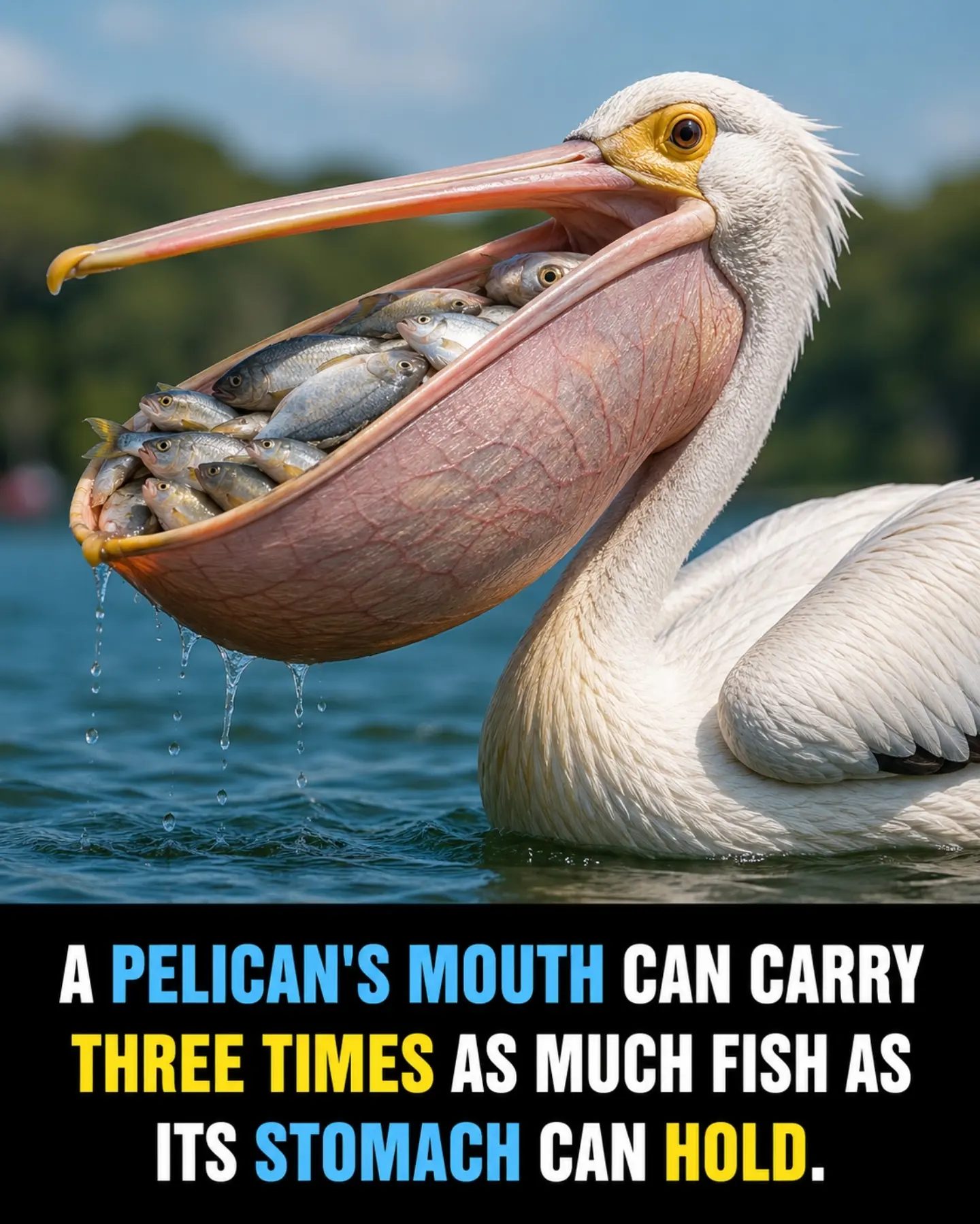
Pelican's Feeding Habits
Pelicans are majestic birds known for their large bills and distinctive pouches. One of the most intriguing aspects of these birds is their remarkable feeding habits. Understanding how pelicans catch, carry, and consume their prey offers insights into their unique adaptations and survival strategies.
Why Pelicans' Feeding Habits Matter
Pelicans are efficient hunters, often seen in groups called pods or squads. These birds are known to feed in a coordinated manner, using their large bills and throat pouches to catch multiple fish at once. Observing these behaviors helps understand the ecological balance in aquatic environments and the critical role pelicans play as apex predators.
Main Discussion
Hunting Techniques
Pelicans utilize various techniques to capture their prey. One common method involves plunge-diving, where the bird flies high above the water and then dives swiftly to catch fish near the surface. The pelican's length bill and sharp eyesight help it pinpoint the exact location of the fish before striking.
Feeding with the Pouch
The pelican's distinctive pouch plays a crucial role in its feeding habits. This expandable pouch can hold a large volume of water and fish, allowing the bird to carry more than it can consume in one go. The pouch's design enables it to trap fish effectively, preventing them from escaping.
Stomach Capacity vs. Pouch Capacity
One fascinating fact about pelicans is that their mouth can carry up to three times as much fish as their stomach can hold. This ability is crucial for their survival, as it allows them to store food temporarily and transport it back to their colonies or roosts. This behavior is particularly useful during lean times when food might be scarce.
Social Feeding
Pelicans often feed in groups, which enhances their hunting efficiency. Feeding in pods allows them to encircle schools of fish, making it easier to catch more prey. This cooperative behavior is common in many bird species. However, pelicans' unique pouch and bill structure give them an advantage in group feeding.
Practical Tips
Best Times to Observe Pelicans
For those interested in observing pelicans' feeding habits, early morning or late afternoon are ideal times. During these hours, pelicans are often more active, and the water surface is generally calmer, providing a clearer view of their diving and feeding behaviors. Coastlines, lakes, and rivers are prime locations to spot these birds.
Ideal Viewing Equipment
A pair of binoculars is essential for a closer look at pelicans' feeding habits. Telephoto lenses for cameras can also capture the intricate details of their movements and interactions. Patient observation from a distance ensures that the birds are not disturbed during their natural behavior.
Conservation of Pelicans
Pelicans often face threats from environmental changes and human activities. Understanding their feeding habits can help in conservation efforts. Due to their reliance on aquatic environments, ensuring clean water and minimizing pollution are crucial steps towards protecting these birds. Support for local conservation programs and sustainable fishing practices can also contribute to their survival.
Important Takeaways
Pelicans' feeding habits are a testament to their remarkable adaptations. Their unique pouches and coordinated hunting techniques make them efficient predators. The ability to carry more fish than they can consume in one go showcases their survival strategies.
Pelicans' Role in the Ecosystem
Pelicans play a vital role in maintaining the balance of aquatic ecosystems. By controlling fish populations, they help in regulating the food chain and ensuring the health of the ecosystem. Their feeding habits, therefore, have a significant impact on the overall biodiversity of their habitats.
Conservation and Future
With increasing environmental threats, understanding and protecting pelican habitats becomes more critical. Conservation efforts focused on reducing pollution, maintaining clean water sources, and promoting sustainable fishing practices can ensure the survival of these magnificent birds.
Appreciating Nature's Wonders
Pelicans serve as a reminder of nature's wonders and the intricate balance of ecosystems. Observing their feeding habits offers a deeper appreciation for the natural world and the interdependent relationships among its inhabitants.
Conclusion
Pelicans' feeding habits are a fascinating study in natural adaptation and survival. From their plunge-diving techniques to their unique pouch and group feeding behaviors, these birds exhibit remarkable strategies that have ensured their survival for millions of years. By understanding and appreciating these habits, we can better protect pelicans and their habitats, ensuring their continued presence in our ecosystems.
Questions readers ask
How do pelicans use their pouches to carry fish?
Pelicans use their expandable pouches to scoop up and hold multiple fish at once. The pouch can stretch to accommodate a significant amount of fish, allowing pelicans to carry more than their stomach can hold at a given time. This unique adaptation enables them to transport prey back to their colonies efficiently.
What is the primary purpose of a pelican's pouch?
A pelican's pouch serves multiple purposes, including catching and storing fish. It acts as a net, allowing pelicans to corral and transport large quantities of fish. The pouch also helps pelicans to manipulate and position the fish for swallowing, making their hunting process more efficient.
Can pelicans carry more fish than their stomachs hold?
Yes, pelicans can carry more fish than their stomachs can hold. Their expandable pouches allow them to store fish temporarily, enabling them to capture and transport multiple fish at once. This ability is crucial for their feeding strategy, as it allows them to gather more food than they can consume immediately.
How do pelicans hunt in groups?
Pelicans often hunt in groups, known as pods or squads. They coordinate their movements to herd and surround schools of fish, using their large bills and expandable pouches to scoop up multiple fish at once. This cooperative hunting strategy increases their chances of success and allows them to feed more efficiently.
What kind of fish do pelicans typically eat?
Pelicans have a varied diet, primarily consisting of fish. They typically feed on schooling fish species such as anchovies, sardines, and herring. Their diet can also include other aquatic animals like crustaceans and amphibians, depending on the availability and location.
Why is the pelican's fishing technique unique?
The pelican's fishing technique is unique due to its use of the expandable pouch and coordinated group hunting. By working together and using their distinctive pouches, pelicans can catch and transport large quantities of fish efficiently, making them highly effective hunters in aquatic environments.
Related deep dives
Similar reads based on topic and creator.
Recent articles
Fresh deep dives from the latest Reels we unpacked.

Comments
Be the first to comment.