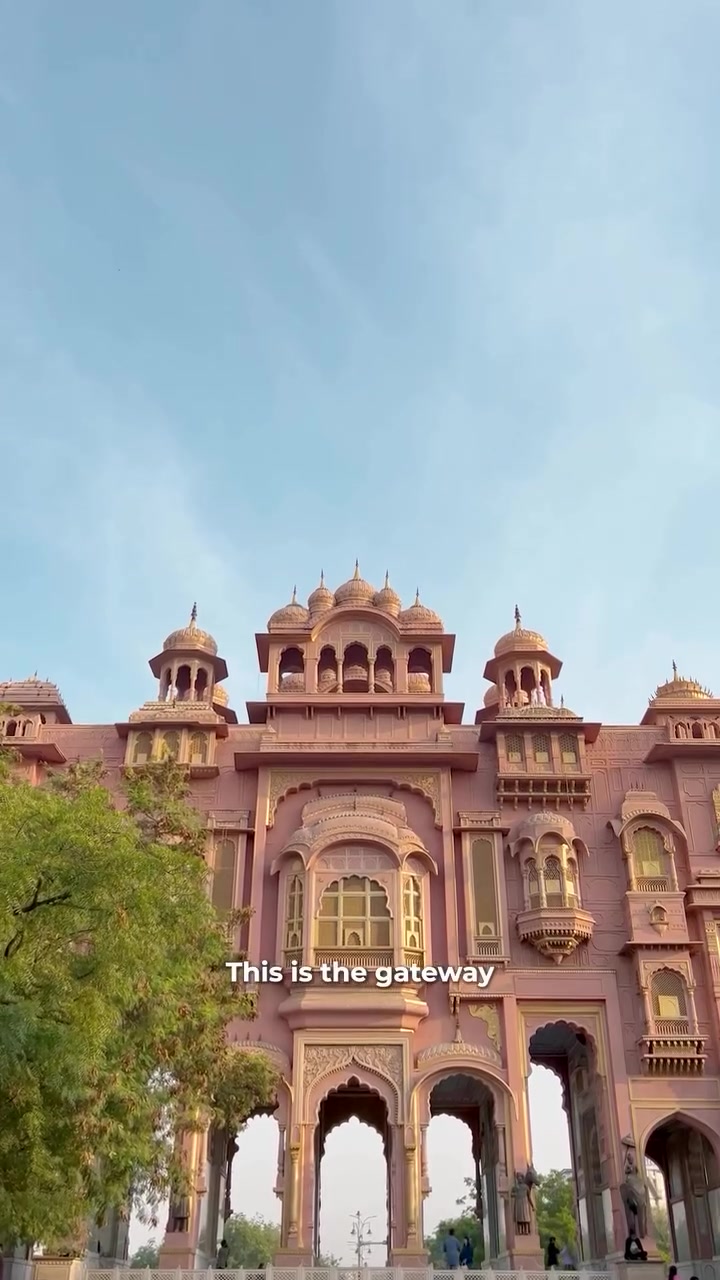
Jaipur’s Ninth Gate: The Modern Marvel of Patrika Gate
Patrika Gate stands as a modern architectural triumph in Jaipur, India's famed pink city. Completed in 2016, this structure is Jaipur's ninth gate and has quickly become a beloved tourist hub, distinguished by its lighter shade of pink and intricate sculptures of elephants, horses, and soldiers. Its strategic location near the Jaipur airport makes it accessible to visitors, who can use it as a starting point to explore Jaipur’s rich cultural heritage.
Jaipur Architectural Additions
Jaipur's architectural landscape is a testament to India's rich cultural heritage and its evolution. The city’s nine gates are more than mere entrances; they serve as architectural statements that resonate with the city’s history and its modern aspirations. Patrika Gate, with its delicate pink hue and intricate carvings, brings a fresh perspective to the city’s architectural narrative. For centuries, Jaipur’s pink terracotta buildings have been synonymous with the city. The addition of Patrika Gate adds a lighter, more vibrant shade of pink, reflecting a modern interpretation of traditional aesthetics.
The Ninth Entrance: Patrika Gate
The ninth gate, Patrika Gate, stands out among Jaipur's architectural landmarks. This gateway’s design, completed in 2016, showcases a modern twist on traditional motifs. Jaipur, often referred to as India’s pink city, has a storied history of beautiful architecture. While the original gates are of teak and terracotta, Patrika Gate introduces a lighter shade of pink. This gateway is adorned with intricate sculptures of elephants, horses, and soldiers, which are integral to Jaipur's rich heritage and culture.
Sculptures: A Splash of Cultural Heritage
One of the standout features of Patrika Gate is its elaborate sculptures of elephants, horses, and soldiers. These sculptures are far from mere decorative elements and are integral to Jaipur's cultural tapestry. They symbolize the city’s interplay between history and modernity. As visitors enter through the gate, they are greeted by a metaphorical welcome, a reminder of Jaipur's royal lineage and its enduring military prowess. These sculptures are meticulously carved and provide a look into the city's rich heritage.
The Rose-Pink Marble – Material of Patrika Gate
It's the material of Patrika Gate which has been used in many construction pieces to maintain it's pinkish tone. The material used in the construction of Patrika Gate is rose pink marble which is responsible for it's distinctive pinkish hue. Rose pink marble is a versatile and beautiful type of marble. Many of the city's structures, including the iconic Hawa Mahal and numerous temples, are constructed using this marble. The precise material used to construct the gate bestows it with a distinctive pinkish hue, aligning well with Jaipur’s identity as the "Pink City."
Modern Comforts in an Ancient City
Patrika Gate serves not only as an architectural landmark, but as a gateway to Jaipur's attractions. Its proximity to Jaipur Airport offers travelers easy navigation and access to other sites. From here, visitors can explore Amber Fort, the opulent Kawa Mahal Palace, and the bustling markets of Old City. This strategic positioning ensures that tourists can effortlessly immerse themselves in the rich tapestry of Jaipur's cultural and historical richness.
Exploring Jaipur: How Patrika Gate Enhanced It All
The addition of Patrika Gate has enriched Jaipur’s architectural heritage, making it a modern-day marvel. Jaipur, the capital of Rajasthan, is renowned for its architectural magnificence, with its famous forts, palaces, and temples. Although the city boasts numerous gates, including Champoli Gate, Surajpol, and others, Patrika Gate stands out as a modern architectural marvel. Patrika Gate’s majestic rose-pink marble contrasts with the city’s traditional terracotta hues, drawing visitors' eyes. The intricate sculptures and its lighter shade of pink quickly transformed it into a tourist hotspot. Patrika Gate now welcomes countless visitors annually, offering a unique blend of cultural heritage and modern-day allure. It has become a symbol of Jaipur’s vibrant and ever-evolving identity, seamlessly blending traditional aesthetics with contemporary design.
Paving Architectural Marvel
Visiting Patrika Gate offers an easy and seamless introduction to Jaipur. * Approach: Drive or fly into Jaipur and head directly to Patrika Gate, easily accessible for travelers. * Sites to Explore: Prepare to explore Amber Fort, Kawa Mahal Palace, and the vibrant markets of the Old City. In the nearby Patrika Gate area, you’ll find local shops, restaurants, and places of worship like historical temples. Be sure to spend time exploring Jaipur's rich history. Ask locals about the significance of the sculptures and uncover hidden gems.
In Conclusion
Patrika Gate, having become a popular tourist destination, represents Jaipur’s architectural journey from its traditional roots to modern interpretations. The gate, with its lighter shade of pink, intricate sculptures, and strategic placement, embodies Jaipur’s evolving cultural heritage.
Questions readers ask
What inspired the design of Patrika Gate, and how does it differ from Jaipur’s other gates?
The design of Patrika Gate is inspired by Jaipur's rich cultural heritage, featuring intricate sculptures of elephants, horses, and soldiers. Unlike the older gates, which are made of teak and terracotta, Patrika Gate introduces a lighter shade of pink and uses rose pink marble, giving it a modern yet traditional aesthetic. This design brings a fresh perspective to Jaipur's architectural narrative.
Can visitors interact with the sculptures at Patrika Gate, and what do they symbolize?
The sculptures at Patrika Gate are meant for visual appreciation rather than physical interaction. They symbolize Jaipur's royal heritage and military prowess, serving as a metaphorical welcome to visitors. These intricate carvings provide a glimpse into the city's rich history and cultural tapestry, making them an important part of the gate's appeal.
How does the use of rose pink marble contribute to Patrika Gate's unique appearance?
The rose pink marble used in the construction of Patrika Gate gives it a distinctive pinkish hue, aligning with Jaipur's identity as the 'Pink City.' This material is not only beautiful but also versatile, allowing the gate to blend seamlessly with the city's other structures, such as the Hawa Mahal and numerous temples, while maintaining a modern aesthetic.
What are some notable landmarks near Patrika Gate that visitors can explore?
Patrika Gate is conveniently located near Jaipur Airport, making it an excellent starting point for exploring the city. From here, visitors can easily access other attractions, including Amber Fort, the opulent Kawa Mahal, and the iconic Hawa Mahal. The gate's proximity to these landmarks enhances its appeal as a tourist hub, offering a seamless transition into Jaipur's rich cultural heritage.
Is Patrika Gate accessible to visitors at all times, and are there any specific timings to consider?
Patrika Gate is accessible to visitors at all times, making it a convenient landmark for both early and late arrivals. However, it’s worth noting that the best time to visit Jaipur is typically between October and March, when the weather is pleasant. During this period, tourists can fully appreciate the intricate sculptures and architectural details of the gate without the discomfort of extreme heat.
What role does Patrika Gate play in Jaipur’s overall architectural landscape?
Patrika Gate serves as a modern architectural statement that reflects Jaipur’s blend of tradition and innovation. As the ninth gate, it adds a fresh perspective to the city’s architectural narrative with its lighter shade of pink and intricate sculptures. This gateway not only welcomes visitors but also showcases Jaipur’s evolving identity as a city that honors its past while embracing modernity.
Related deep dives
Similar reads based on topic and creator.



Recent articles
Fresh deep dives from the latest Reels we unpacked.



Comments
Be the first to comment.