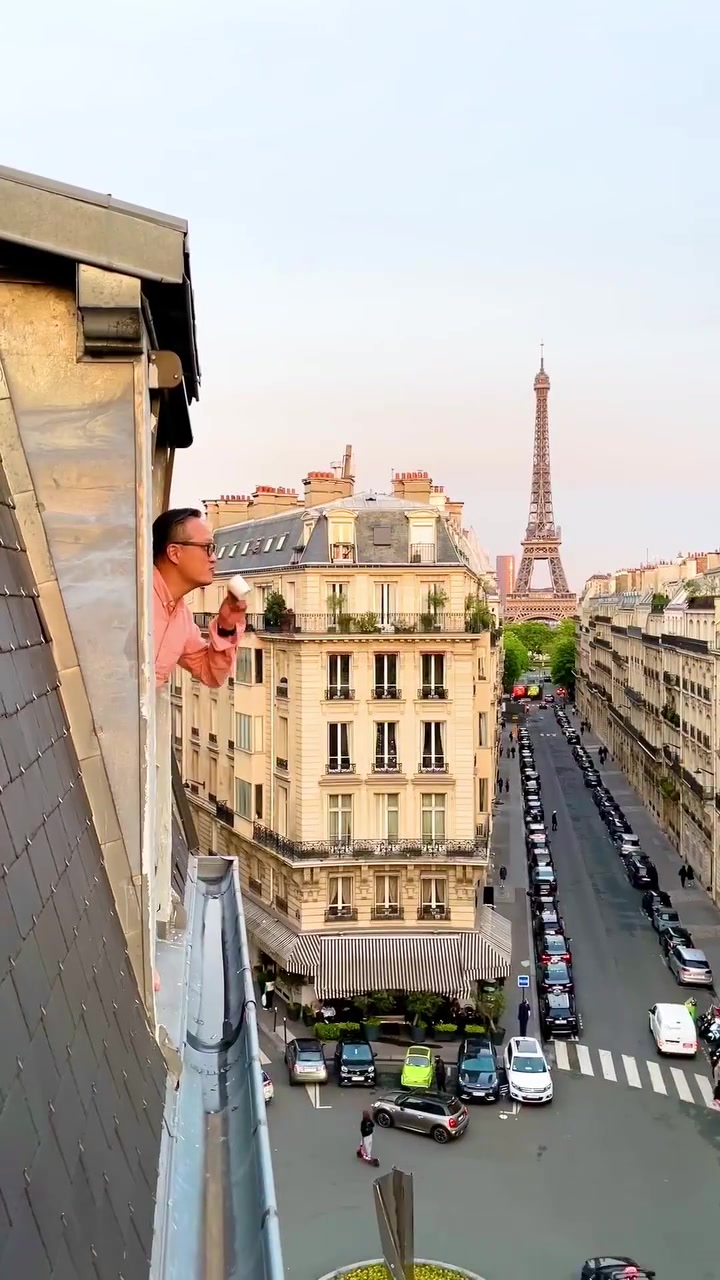
City of Lights: The Natural Preference of Parisian Views
The Eiffel Tower: Paris's most dominant attraction is a high point of the city’s landscape and a well-known symbol.
This 324-meter tall icon towers above the Seine River and has become a global representation of Parisian grace and ambition. Designed by Gustave Eiffel, the tower is comprised of 2.5 million rivets and nearly 1.000 parts. Eiffel himself oversaw the construction, which began in 1887. The tower officially opened in 1889 as the entrance to France’s World Fair. Today, the Eiffel Tower is the most visited paid monument in the world, with more than 7 million people ascending it each year. The tower boasts three levels for visitors, with restaurants on the first and second levels. The summit offers a panoramic view of the city, with some of the most famous landmarks in Paris visible from its peak. Paris was also a host to the International Olympics Committee (IOC) in 2024 with a proposal that proposed to use of Eiffel Tower for promotion. .
Parisian Views: The Eiffel Tower as Central Viewpoint
For many visitors, the Eiffel Tower is the centerpiece of their Parisian experience. From the tower's summit—including the fourth-floor observation deck—the city offers a panoramic view of Paris that includes famous landmarks such as the Louvre Museum, Notre-Dame Cathedral, and the Champs-Élysées. Beyond its iconic status, the Eiffel Tower holds a deeper significance for many. Its twinkling lights, activated by nightfall sensors, create a magical atmosphere. The lights, which combine with the tower's golden illumination, create a uniquely Parisian experience. This enchanting display, which lasts for five minutes at the start of each hour, is a beloved tradition for locals and tourists. They light up the night sky, dazzling viewers with their twinkle.It becomes a central attraction and an iconic symbol of the city’s allure.
The Illumination of Iconic Eiffel
Projectors activated by nightfall sensors illuminate the Eiffel Tower. Each evening, sensors detect the onset of nightfall, triggering a series of projectors that bring the Eiffel Tower to life. The Eiffel Tower's shimmering glow, a combination of twinkling lights and a golden hue, emits from the top of the tower and shines for five minutes every hour. This occurs all night, starting from when the sun sets until 1 AM. The transition from day to dusk and the appearance of the sparkling lights highlight the transition of the tower as an iconic symbol of the city’s skyline. The lighting sequence is meticulously designed by Pierre Bideau. Its inception began in 1985, when the French government unveiled a new lighting plan for the city. The tower is illuminated with yellow lights, creating an aura against the Parisian backdrop. The lights project a pattern around the tower, enhancing the experience for viewers. It is a combination of golden hues and twinkling lights, which create a magical ambience that illuminates the Parisian skyline. The shifting backdrop, from day to night, showcases the city's dynamic beauty.
The Twinkling Spiral: Beaded Lights
The twinkling lights on the Eiffel Tower are a distinctive feature of its nighttime illumination. Managed by a digital controller, the twinkling lights are a series of beaded lights that create a cascading effect down the tower's height. Bideau’s design splits the tower into three parts, each with its own unique lighting effect. The lighting design is executed by Bideau Lighting, a company specializing in artistic lighting for architectural structures. The twinkling lights, activated hourly, form a spiral pattern along the upper level of the tower. The glowing lights create a magical atmosphere, highlighting the city’s twinkling essence. An atypicalical feature is the significance of Pierre Bideau's lighting design, a series of beaded lights forming a spiral pattern. These lights are unique to the Eiffel Tower, with a controller that sustains a twinkling effect in a domino pattern down the tower. The twinkling effect starts from the top and moves down in a cascading manner, creating a mesmerising sight. The design creates a magical atmosphere, casting an illuminating glow that can be seen from afar.
How Does it Feel?
The experience of the Eiffel Tower in the evening provides a rich, vibrant atmosphere. The transition from day to night, as the scene shifts from blue skies to a golden hue, creates a stunning visual spectacle. The city’s skyline, bathed in golden hues and twinkling lights, adds to the magical ambiance. The transition from day to dusk showcases the tower’s iconic illuminations, making the Eiffel Tower an alluring sight. The twinkling lights, coupled with the golden illumination, create a mesmerizing atmosphere. The durability and reliability of the lights, meticulously managed by Pierre Bideau, encapsulate the enchanting beauty of the tower. This creates a dynamic backdrop, with the twinkling lights creating a cascading effect that illuminates the tower’s beauty.
Practical Preparations for Paris
- Plan your visit for the right time: Aim for twilight to experience the transition from daylight to dusk, and catch the tower’s nightly illumination. Plan your visit to see the twinkling lights on the tower. The lights are visible from different parts of the city, making it accessible for visitors from various points.
- Choose a location: If planning to photograph the tower, choose a spot with a clear view of the tower. The tower attracts many visitors, so finding a less crowded area can enhance your experience.
- Find a nice spot: The best spot for a panoramic view of Paris is the Seine River or the Champ de Mars. These locations offer a clear view of the tower and the city.
- Rely on public transport: Paris has an excellent public transport system with the metro and buses connecting all the major attractions. Use it to reach your location of choice.
Related deep dives
Similar reads based on topic and creator.



Recent articles
Fresh deep dives from the latest Reels we unpacked.




Comments
Be the first to comment.