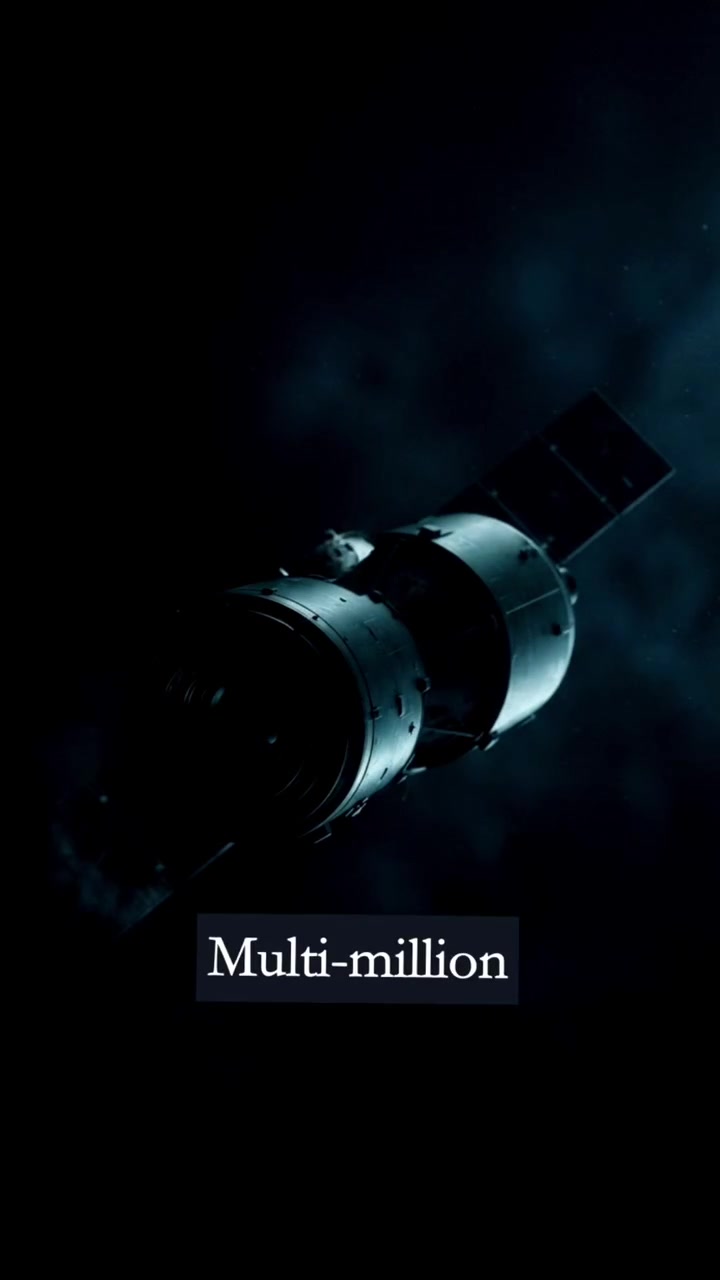
Where else to look for more satellites when they're already orbiting the Earth? Indian startup OrbitAID sees the answer as right above our heads. They are developing a system to refuel satellites in orbit, transforming discarded space junk into valuable assets. Picture this: filling up a tank of gas, but instead of your car, it's a multi-million dollar satellite circling the planet. That's OrbitAID's mission to save space infrastructure.
The Gas Station in Orbit
The heart of OrbitAID is their satellite refueling system, aiming to breathe new life into satellites that would otherwise be abandoned. The US government has over 200 satellites in orbit, with many others operated by both domestic and international entities. The key innovation lies in their patented interface, allowing a servicing spacecraft to autonomously track and meet with a target. Balanced with a system that users can depend on for automated, low-cost refueling, OrbitAID’s invention is a game changer for the space industry. The satellites will not simply be refueled; they will extend their operational life by years. Three aerospace engineers-Sakti Kumar R, Niko Balasubarmaniam, and Mano Balaji K, armed with their visionary insights, launched OrbitAID in 2021. This technology promises to treat satellites as reusable assets, keeping them operational and well equipped.
A New Paradigm in Space Waste Management
In the realm of space infrastructure, disposable satellites are a norm in current operations. Unfortunately, the finite lifespan of satellites once they run out of gas brings about the need for satellite replacement. Currently, value satellites are decommissioned, left to float as an abandoned floating pieces of space junk. Thanks to OrbitAID, the amplitude of waste created by discarded satellites is expected to change drastically. The satellite refueling endeavor could turn around the need to send up more satellites in favor of a clean satellite practice. Last year, the startup was on track for a significant test related to their satellite refueling technology. But the plan was delayed when a launch anomaly in 2026 destroyed their first satellite. Recovery from this setback will be a testament to the company's resilience, which is poised for another attempt. This has only caused a delay to their timeline, which now aims for Q1 2027, when the company plans to launch two spacecraft for demonstrating orbital docking and life extension.
The Patented Interface
The patented interface is central to OrbitAID’s system. This patented interface allows the spacecrafts to successfully align their propellant delivery systems with the target satellite. The primary concern with the interface is to ensure autonomous tracking and alignment. The system allows the servicing spacecraft to approach the satellite from various positions, ensuring that fuel transmission through an interface is feasible. This can make the fueling process fast and efficient.
Autonomy and Control
In a monitor room, engineers observe the entire remote refueling process. The company is developing autonomous control, allowing the spacecraft to navigate through the fueling process independently. The autonomous control and monitoring system is a vital component of their technology, allowing safe and swift refueling and maintenance of the spacecraft. Engineers monitor the entire autonomous refueling process, ensuring successful alignment and docking. The company is planning for an integrated control room that ensures monitoring and guidance can be achieved remotely.
From Trauma to Progress
OrbitAID has already faced multiple challenges that may lead to progress. Setbacks such as loss of their first satellite are expected when starting a huge adventure in space. The company also faced another unfortunate event, that saw the destruction of their first satellite, showing that while the challenges are significant, they can be overcome. The delay in OrbitAID’s mission plan demonstrates their ability to adapt and evolve, despite the challenges. The company has already faced significant setbacks, but its presence in the market is a testament to its success. Previously, OrbitAID's first satellite was destroyed in a 2026 rocket anomaly. Instead of backing down, they are aiming to prove that satellites don't need to be disposable trash. Currently, the startup seeks high-profile investors to expedite their refueling systems while urging a balanced focus on sustainability, ensuring that the rockets sent into space are not abandoned while conducting their operations.
Making Money in Space
Interested in spacecraft fueling, even as a layperson? Become part of the future of space refueling by subscribing to follow OrbitAID's endeavors. Whether you are an investor or a space enthusiast, you can contribute to and witness the groundbreaking innovations of these aerospace engineers. Stay tuned for a chance to be part of the future of space infrastructure. OrbitAID’s plans will cost money, but they are banking on increased interest in space maintenance. Investors and enthusiasts can get involved and contribute to their progress. You might not be the one to enjoy the fruits of this technology, but your contribution can go a long way.
Questions readers ask
How does OrbitAID's refueling system work?
OrbitAID's system uses a patented interface that allows a servicing spacecraft to autonomously track and meet with a target satellite. The spacecraft can approach from various positions, ensuring efficient fuel transmission, and extend the satellite's operational life by years.
What makes OrbitAID's approach different from current satellite practices?
Unlike the current norm of disposable satellites, OrbitAID aims to refuel satellites in orbit, transforming them from abandoned space junk into valuable, reusable assets. This approach could significantly reduce space waste and the need for frequent satellite replacements.
What happened to OrbitAID's first test launch?
OrbitAID's first test launch was delayed due to a launch anomaly in 2026 that destroyed their first satellite. The company is resilient and is now aiming for another attempt in Q1 2027, when they plan to launch two spacecraft for demonstrating orbital docking and life extension.
Can any satellite be refueled by OrbitAID's system?
OrbitAID's system is designed to work with satellites that have a compatible interface. While the article doesn't specify all compatible satellites, the system's patented interface allows for autonomous tracking and alignment, suggesting a wide range of potential targets.
How does OrbitAID plan to ensure the safety and efficiency of the refueling process?
OrbitAID's system is designed for autonomous control, allowing the spacecraft to navigate through the fueling process independently. Engineers monitor the entire process remotely, and the patented interface ensures fast and efficient fuel transmission from various positions.
What is the current status of OrbitAID's technology?
As of now, OrbitAID is working on recovering from a launch anomaly that destroyed their first satellite. They are poised for another attempt in Q1 2027, aiming to launch two spacecraft to demonstrate orbital docking and life extension.
Related deep dives
Similar reads based on topic and creator.




Recent articles
Fresh deep dives from the latest Reels we unpacked.




Comments
Be the first to comment.