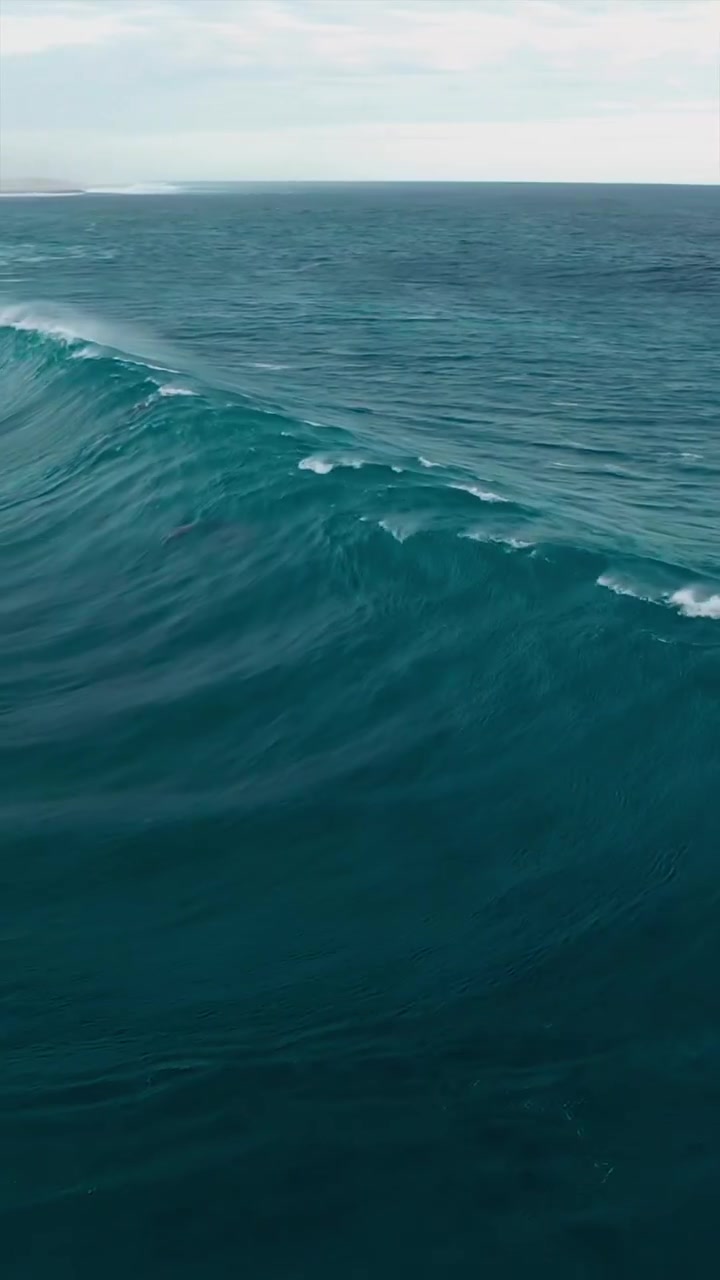
Australian waters teem with curious year-round dolphins
Under the Western Australian sun, dolphins grace the coastline. They’re not merely visitors, but residents. “Dolphins make an appearance along the coast year-round.🌊” No surprise, the bays of Rockingham and Shoalwater Island Marine Park host these friendly mammals. Residents and tourists alike spot dolphins frequently. Their aquatic world reveals itself from the sky. Massive waves churning and crashing push white foam into the air. However, in Western Australia, the drama of the ocean isn’t the main attraction.
Life on the Australian Coastline
Year-round dolphin sightings make for curious surfers and beachgoers, who look out beyond the ocean waves. The ocean's power and beauty are its selling points. Navigating its beauty is more enjoyable, especially with friendly faces, than its force.
Spots for Dolphin Viewing
Rockingham’s Bay
The Bay of Rockingham is built for curious tourists. Unlike the surfing at Shoalwater, they can explore local rock formations and swim. This shallow bay enables dolphins to thrive and humans to explore. In addition, it also hosts bottlenose dolphins, (Wikipedia states they measure up 2.5 meters compared to larger dolphins) turtles, and sharks. It encourages a healthy relationship with sea creatures. Rockingham holds more than surfing and sightseeing. Kayaking and whale watching (while on season) is equally popular. The area prepares for its visitors, offering tour guides and safety guidelines. It teaches visitors how to coexist respectfully with sea creatures.
Shoalwater Island Marine Park
Shoalwater Island Marine Park is another popular coastal destination. Known as the “dolphin capital of Australia,” it stands out for its consistent dolphin sightings. The park is best experienced via a boat tour that guides visitors through the park's geology and ecosystems. Although dolphins are the main attraction, they aren’t the only creatures thriving in the park’s waters. The waters host a population of dugongs, turtles, and a variety of fish. The Bay of Shark Bay is an excellent example of how to protect sea creatures. It helps prevent overfishing and creates a healthy ecosystem. It has strict guidelines and regulations to protect the ecosystem. The prestigious marine park looks out for unfortunately endangered marine mammals. While local regulations ensure minimal pollution, the parks also limit sea traffic. The government enforces safety rules. It prohibits acts such as touching, feeding, and driving too closely to dolphins.
What the dolphins are up to
While dolphins and humans coexist on the Western Australian coast, they do have separate lives. Dylan Dehaas spotted friendly sea creatures in nearby bays. The intelligent mammals dive, leap, and wave their fins. Their displays mimic human movements. They jump, wave, and follow boats, to the thrill of tourists and scientists. While scientists debate what the behaviours mean, locals have stories explaining the dolphins' actions. The dolphins are the subject of many ocean myths. One myth describes the dolphins’ elaborate display as an amusement ride. They offer tourist passengers through a dance of surfing and flipping. Some residents believe the dolphins worship the sea. The dolphins of Western Australia are more than tourist attractions. Their long-term presence suggests sustainability. They bring scientists and tourists to the area, encouraging conservation efforts. They swim along a cost-rich coastline and inspire the surrounding economy.
Questions readers ask
What types of dolphins can be spotted in Rockingham’s Bay?
Rockingham’s Bay is home to bottlenose dolphins, which are smaller than some other species and measure up to 2.5 meters. These dolphins are known for their friendly nature and are a common sight for both locals and tourists. They thrive in the shallow waters of the bay, making it an ideal spot for dolphin encounters.
How do the dolphins in Western Australia interact with humans?
Dolphins in Western Australia are known for their friendly and curious behavior around humans. They often greet swimmers and surfers, and even mimic human movements. Tourists and scientists alike enjoy watching dolphins leap, dive, and wave their fins, although the exact reasons behind these behaviors are still debated.
What other marine life can be found in Shoalwater Island Marine Park besides dolphins?
Shoalwater Island Marine Park is home to a diverse range of marine life beyond just dolphins. You can spot dugongs, turtles, and various species of fish. The park’s strict guidelines and regulations help maintain a healthy ecosystem, ensuring the protection of these creatures.
Are there any specific guidelines for interacting with dolphins in Western Australia?
Yes, there are specific guidelines in place to protect the dolphins and ensure their safety. In Shoalwater Island Marine Park, for example, it is prohibited to touch, feed, or drive too closely to dolphins. These rules are enforced to minimize disturbance and prevent pollution, ensuring the well-being of these marine mammals.
What activities can visitors enjoy in Rockingham’s Bay besides dolphin sightseeing?
Rockingham’s Bay offers a variety of activities for visitors. In addition to dolphin sightseeing, you can go kayaking, whale watching (during the season), and explore local rock formations. The area is well-prepared for tourists, with tour guides and safety guidelines available to ensure a respectful and enjoyable experience.
What makes Shoalwater Island Marine Park unique among other marine parks in Australia?
Shoalwater Island Marine Park is unique due to its consistent dolphin sightings and its designation as the ‘dolphin capital of Australia.’ The park’s boat tours guide visitors through its diverse geology and ecosystems, and its strict regulations help protect endangered marine mammals and maintain a healthy ecosystem. The park’s commitment to conservation and safety makes it a standout destination.
Related deep dives
Similar reads based on topic and creator.




Recent articles
Fresh deep dives from the latest Reels we unpacked.




Comments
Be the first to comment.