The Green Renaissance of New York
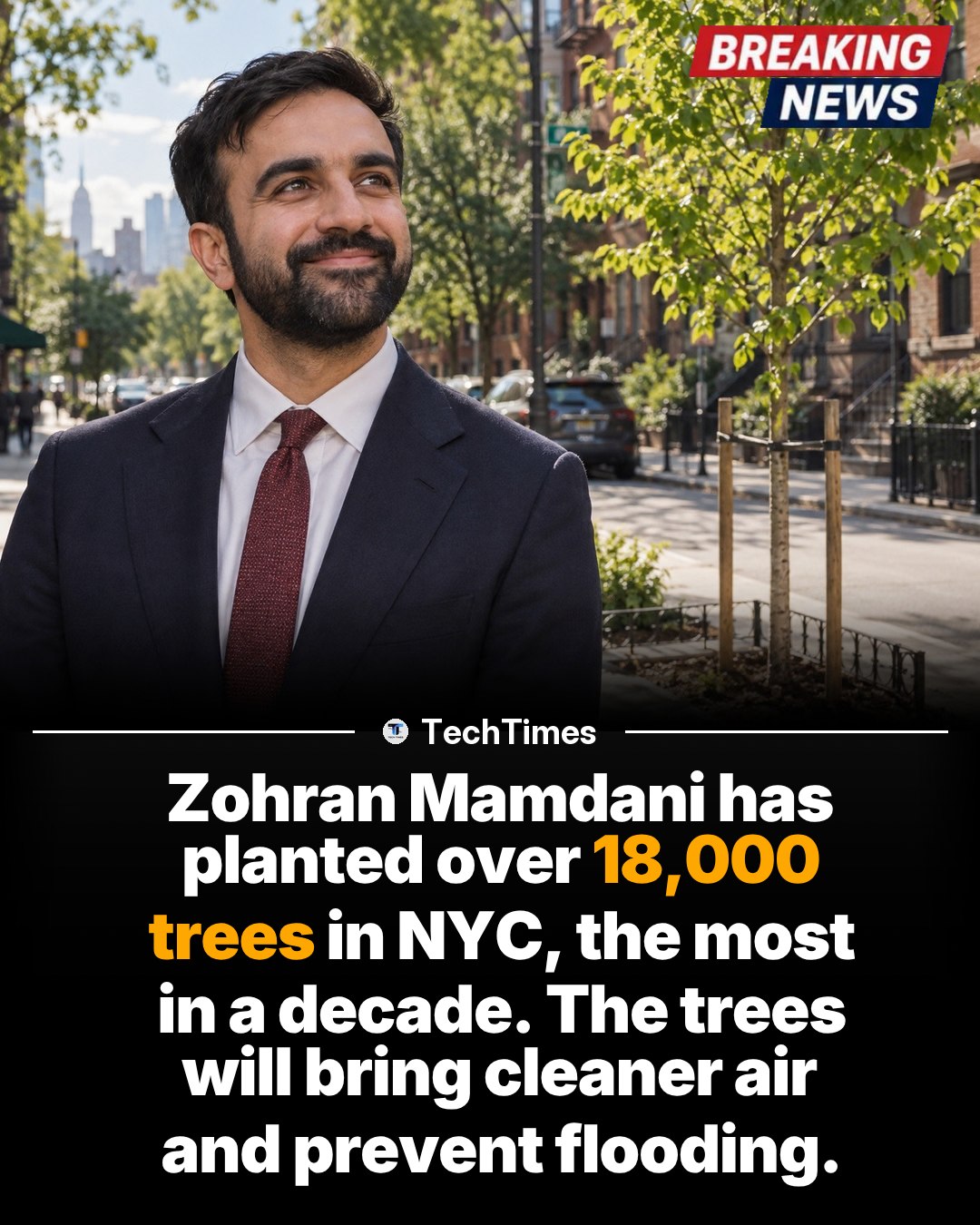
Over the past decade, New York City has seen significant strides in urban reforestation, especially recently. The latest news is that Zohran Mamdani, an urban reforestation leader. has planted over 18,000 trees in the city, marking the highest number planted in a decade alone. These trees are expected to improve air quality across the five boroughs, providing New Yorkers with cleaner air. Their impact on air quality — especially on public health — has proven to be far-reaching and positive. New York has also long grappled with water management, since the City is prone to flooding. 18,000 trees will help prevent flooding with more than their deep roots. Mamdani's initiative is a deliberate approach to tackling a major urban challenge.
Urban reforestation
New York City’s air quality has long been a concern, with pollution levels sometimes exceeding the World Health Organization’s recommended limits. This is due to the city’s dense traffic and the concentration of factories and other industries. Dense urbanization brings with it the problem of flooding. New York City has always faced intense flooding challenges, and the effects of climate change (increased rainfall and sea levels) have made these challenges increasingly acute. This makes Mamdani's contribution all the more important, since urban reforestation has been theorized to combat both pollution and flooding. This planting initiative works by leveraging the environmental benefits of trees. As trees grow, they absorb carbon dioxide, one of the most prevalent greenhouse gases. The trees reduce the amount of air pollution that New Yorkers breathe, with impacts ranging from improved breathing to shortened hospitalization. They also absorb water during intense rainfall, lessening their impact on the city’s drainage systems. New York City’s large green spaces can better retain some of the water that would otherwise contribute to flooding. During periods of flooding, roots will absorb water and plants will send it back into the atmosphere. The initiative is a distinctive example of large-scale environmental action within an urban environment; reforestation is not known for large, urban scale planting. The trees are planted within the city itself — not just in suburban or rural areas. Aiming for an environmental benefit that is felt by people in the heart of the city. Urban reforestation is distinctive in that it aims to create ecosystems that thrive despite the urban environment.
An Urban Oasis
The planting of 18,000 trees is part of a larger trend in environmental awareness and activism. Mamdani’s initiative is part of a larger movement of urban reforestation efforts—efforts that are becoming increasingly common as cities across the globe recognize the urgent need to address environmental challenges. These urban reforestation efforts have become increasingly urgent and widespread in recent years. The need to combat air pollution, mitigate flooding and respond to the climate emergency was acute in New York. This initiative sets an example for how urban ecosystems can be rehabilitated. Mamdani's initiative fits perfectly into the broader context of global environmental initiatives focused on sustainability and urban greening. His efforts align naturally with the United Nations’ Sustainable Development Goals, which include targets for improving air quality, mitigating climate change, and building resilient infrastructure. Other cities have found inspiration in urban greening efforts that provide practical benefits, rather than symbolism. Paris and Berlin have implemented extensive urban forestry projects. These initiatives not only enhance the aesthetic value of urban landscapes but also provide tangible benefits in terms of environmental sustainability and public health. Paris has taken a proactive approach by introducing new trees in the neighborhood of the cityscape and corridors connecting public parks to neighboring areas. Berlin has implemented a unique mix of high-rise and ground-level forests in urban districts. This trend underscores the growing recognition that urban greening is more than just an aesthetic improvement. New York has seen a significant increase in awareness of the effects of deforestation on air quality. Urban reforestation in New York City aims to address this issue by planting trees in its most densely populated areas. This initiative is notable because it seeks to have a direct impact on public health. The city's dense urban environment exacerbates the problems associated with air pollution. The planting of 18,000 new trees is aimed at directly combatting and mitigating some of the health problems associated with air pollution.
The scope and scale of the challenge
Mamdani’s initiative is a large-scale effort to restore the natural environment in the midst of one of the world's most populous cities. This scale of planting is unprecedented in New York City. The initiative encompasses multiple neighborhoods in the five boroughs of NYC. The trees will be planted throughout the city in various spaces. Efforts will focus on planting trees in parks and local green spaces, which are often the sites for large-scale urban plantation. Many trees from the initiative are native species, which are sensitive to the urban environment. New York City’s urban forests play a crucial role in reducing urban heat islands. These trees are sensitive to the urban climate, and so are planted in urban parks where they can thrive. New York City’s unique climate poses several challenges for urban reforestation. The city’s dense urban environment can create a heat-island effect, which can make it difficult for trees to thrive. The city's urban design and dense population also present challenges for planting and maintaining trees: tree wells are often narrow and shallow, and they are often inaccessible. Maintaining the trees is an ongoing process. In the past, many of the trees planted in urban areas have not survived. “Some trees will die,” Mamdani said. “And that’s why this initiative is planting 18,000 trees. We want to plant 15,000 trees, and plant another 3,000 as insurance, in case a few of them don’t make it.”
Reforesting with less harm
The most impressive part of the initiative is the care used in planning and replanting. The trees are planted in a way that minimizes disruption to the existing urban infrastructure and minimizes the negative impact on other natural areas. The trees are planted using a careful approach to ensure that the planting process is as minimally disruptive to the city infrastructure as possible. The trees are planted using a technique known as “pit planting,” which involves using a large, specially designed machine to dig a hole. The hole is then filled with compost—nutrient-rich organic matter—before the tree is planted and covered with soil. The trees’ soil structure is carefully managed, ensuring that this initiative doesn’t introduce non-native species that could disrupt the delicate balance of the urban environment. This specialized technique ensures that the trees have a better chance of surviving and thriving in the urban environment.
Getting involved in reforestation
If you’re interested in getting involved in urban reforestation efforts, New Yorkers have multiple ways to engage with the initiative:
- Check out local initiatives: Reach out to local community groups that are involved in reforestation projects. Many organizations in New York City are focused on urban greening. garden clubs and tree planting groups.
- Volunteer: Many organizations are always looking for volunteers to help with planting and maintenance. Organizations like the NY Restoration Project regularly organize volunteer events. These groups offer hands-on experience in reforestation and are also excellent resources for getting involved.
- Donate: Funding is always essential for these types of large-scale initiatives. However, the most important thing to remember is that even planting a single tree is a lot more environmentally sustainable than not planting at all.
Questions readers ask
How does Zohran Mamdani's tree planting initiative specifically improve air quality in New York City?
Mamdani's initiative improves air quality by planting trees that absorb carbon dioxide, a major greenhouse gas. This absorption reduces the amount of air pollution that New Yorkers are exposed to, which can lead to significant health benefits, such as improved breathing and reduced hospitalization rates. Trees also help to mitigate the urban heat island effect, making the city more comfortable and healthier overall.
Can this initiative help with New York City's flooding issues, and if so, how?
Yes, the 18,000 trees planted by Mamdani can help prevent flooding. Trees absorb water during heavy rainfall, reducing the strain on the city's drainage systems. Their deep roots also help to stabilize the soil, preventing erosion and further water runoff. This dual action of water absorption and soil stabilization makes a significant difference in managing urban flooding.
What makes Mamdani’s approach to urban reforestation unique compared to traditional reforestation efforts?
Mamdani’s approach is unique because it focuses on large-scale tree planting within the urban environment of New York City, rather than in suburban or rural areas. This urban reforestation aims to create thriving ecosystems in the heart of the city, where the environmental benefits are directly felt by urban residents. It’s a distinctive example of environmental action tailored to the specific challenges of dense urbanization.
What kinds of trees are being planted in this initiative, and are they native to New York?
The article does not specify the types of trees being planted, so it is unclear if they are native to New York. However, given the context of urban reforestation, it is likely that a variety of tree species are being used, chosen for their ability to thrive in urban conditions and provide the desired environmental benefits.
How can I get involved in urban reforestation efforts similar to Mamdani's initiative in my own city?
To get involved in urban reforestation, you can start by researching local environmental organizations or initiatives focused on tree planting. Reach out to them to volunteer or donate. You can also advocate for urban reforestation by raising awareness in your community about the benefits of trees in urban environments. Additionally, participating in local tree-planting events or community clean-up days can make a tangible difference in your city's green spaces.
Recent articles
Fresh deep dives from the latest Reels we unpacked.

Comments
Be the first to comment.