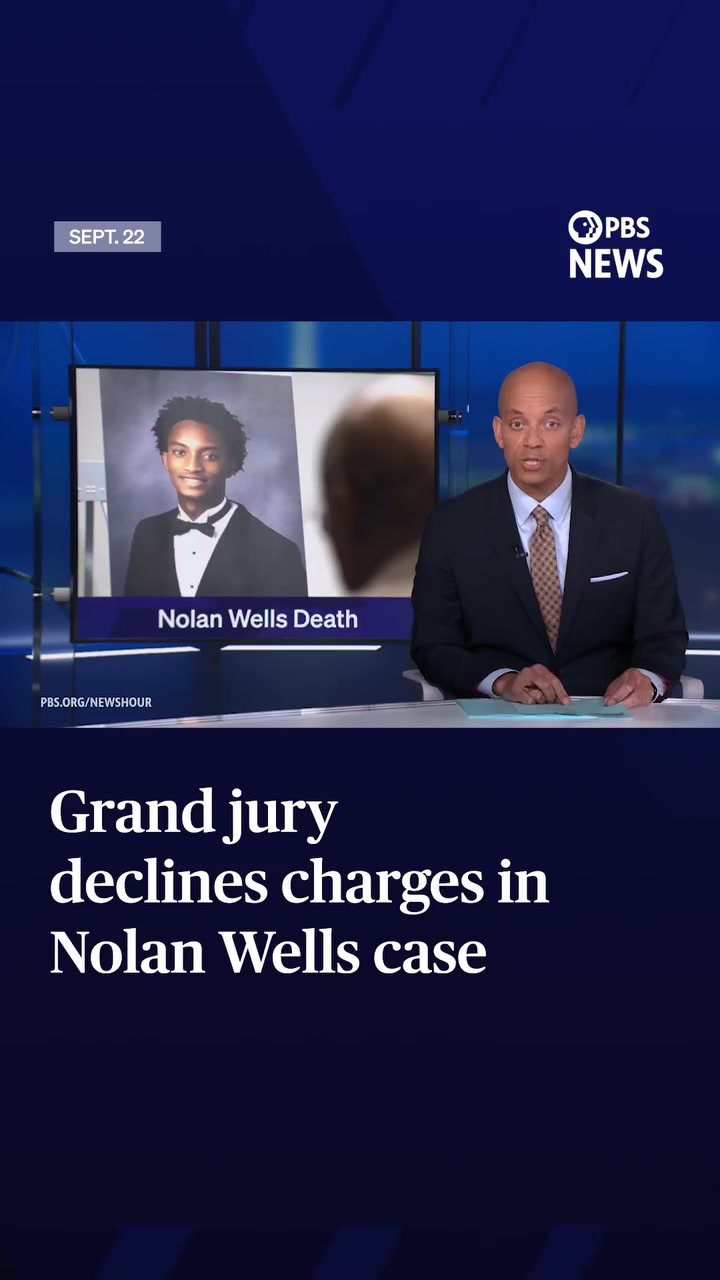
A grand jury's decision to decline charges in the death of 18-year-old Nolan Wells sparked immediate pushback from the young man’s family. The Wells family is contesting the conclusions of the grand jury report, which noted that both the state's medical examiner and the pathologist hired by the family found his death to be undetermined but "consistent with drowning". The case has raised renewed attention to Mississippi's long history of racial violence. The death of Nolan Wells, a black teenager, occurred during a July 4th boating trip with a group of white friends.
A Death in Mississippi Waters
The death of Nolan Wells was discovered as part of a boat trip gone wrong. The allegation was that the teen drowned. Despite an investigation into the tragedy, a group of white friends were not held liable. The grand jury report did note, however, that both the state medical examiner and the family's hired pathologist deemed Wells' death as undetermined, yet "consistent with drowning." The language speaks to the complexities of determining causation in drowning cases, and the need for both definitive evidence and broad expertise to make a ruling. The Wells family has questioned the legitimacy of the district attorney’s decision, while Jackson County’s top prosecutor has rejected the allegations. Despite the public anger,[Nolan Wells' death sparked widespread anger and specification] the district attorney's office maintains that there is no evidence to suggest a racial component to the incident. This denial comes in the midst of a broader cultural climate of exasperation, where incidents of racial bias can often be perceived as systemic.
Racial Disparity in American Justice
The case is a somber reminder of the racial disparities in the justice system. Mississippi has a history of racial violence and it is this history that makes this case to be seen through the lens of racial tensions. The media coverage also highlights how such incidents draw attention to broader narratives of discrimination. The grand jury's decision, coupled with the family's subsequent reaction, encapsulates the struggle that many Black families experience when seeking justice in a climate where they are left to contemplate how biases may have impacted the system. Nolan Wells' death highlighted the racial vulnerabilities that persist in American society. The questions raised by his death also put into consideration the perspective of the Black community and the unequal risk assessed by investigators. The statistics from the FBI's hate crime data can highlight the prevalence of racial disparities in policing. Despite the report stating that there was no evidence to suggest the case was racially motivated, the incident continues to fuel public speculations.
The Trouble with Grand Jury Reports
Nolan Wells' death demonstrates the limits of grand jury investigations when misconduct is also a concern. Grand juries are often used to decide whether to issue an indictment or not, which can be subject to criticism. The grand jury, in this case, avoided acting for reasons ranging from lack of evidence to potential bias. The fact that Wells' death was deemed undetermined by both medical examiners suggests that there was a lack of clarity around the cause, which can make it difficult for people to understand what led to his drowning. In Nolan Wells’ death, investigators are tasked with determining how bias may have influenced the initial conclusions. The grand jury report seemingly suggests that bias might not have played a significant role, yet the family’s pushback indicates a skepticism that persists. The report underscored that both the state's medical examiner and the pathologist hired by the Wells family found his death consistent with drowning, though they did not definitively call it drowning. The legal requirement that evidence is satisfactory proves a hurdle that legal teams face.
Questions to Ask When Judging Causation
Medical examiners are tasked with understanding causation in death cases. In Wells’ case, the report stated that the death was “undetermined,” highlighting a lack of clarity that can often impede investigations. This gray area of causation can be particularly challenging. Understanding how multiple factors contributed to a fatal incident requires broadening the scope of investigation beyond immediate causes. The Wells family hired their own pathologist to review the case, which led to the family and investigators being on different pages.
How Families Can Protect Themselves in Cases of Undetermined Deaths
When tragedy strikes, especially in cases of undetermined deaths, families have crucial rights to pursue independent investigations. In the case of Nolan Wells, both the state's medical examiner and the private pathologist hired by the family found the death to be “consistent with drowning,” which could be indicative of how conflicting reports can lead to a lack of clarity. Families in the face of such tragedies need to be proactive in obtaining independent expertise. This can include hiring separate medical experts, conducting additional interviews, and pressing for broader reviews.
What a Concerned Family Needs to Know
- Educate on rights and procedures: Families must be well-informed about their rights during legal proceedings regarding an undetermined death. This includes understanding the process of requesting a second medical review and appealing the decision.
- Seek independent legal and medical advice: Hiring independent counsel and medical examiners can provide a fresh perspective and potentially reveal overlooked details.
- Document all communications: Keep a detailed record of all interactions with law enforcement, medical examiners, and legal teams. This can be crucial in uncovering inconsistencies.
- Engage with the community and media: Pursuing public awareness and engagement with community organizations can also put pressure on law enforcement to conduct a thorough and unbiased investigation. There is far more to trying to understand what led to Wells' death. The need for transparency and accountability in a case that lacks clarity can often be offset by the strength of family resolve. The Wells family's pushback challenges the broader narrative of justice and equality in America, bringing attention to the systemic issues that underlie racial disparities, and the need for an even more transparent justice system.
Questions readers ask
What exactly happened during the boating trip that led to Nolan Wells' death?
Nolan Wells, an 18-year-old, died during a July 4th boating trip with a group of white friends. The official reports indicate that his death was consistent with drowning, but the cause remained undetermined, raising questions about the circumstances surrounding his death.
Why did the grand jury decide not to press charges in this case?
The grand jury declined to press charges due to a lack of definitive evidence. Both the state's medical examiner and the pathologist hired by the family deemed Wells' death as undetermined but consistent with drowning, making it difficult to establish causation.
How has the Wells family responded to the grand jury's decision?
The Wells family has been vocal in contesting the grand jury's conclusions. They have questioned the legitimacy of the district attorney's decision and the overall handling of the case, suggesting that racial bias may have played a role in the outcome.
What role does Mississippi's history of racial violence play in this case?
Mississippi's history of racial violence has added a layer of complexity to the case, leading many to view it through the lens of racial tensions. This historical context has fueled public speculation that racial bias may have influenced the outcome, despite the district attorney's office denying any evidence of racial motivation.
How do grand jury investigations typically work, and what are their limitations?
Grand juries are used to decide whether to issue an indictment or not, but their decisions can be subject to criticism, especially in cases where misconduct is a concern. In Nolan Wells' case, the grand jury avoided acting due to a lack of evidence and potential bias, highlighting the challenges in determining causation in complex cases.
Recent articles
Fresh deep dives from the latest Reels we unpacked.



Comments
Be the first to comment.