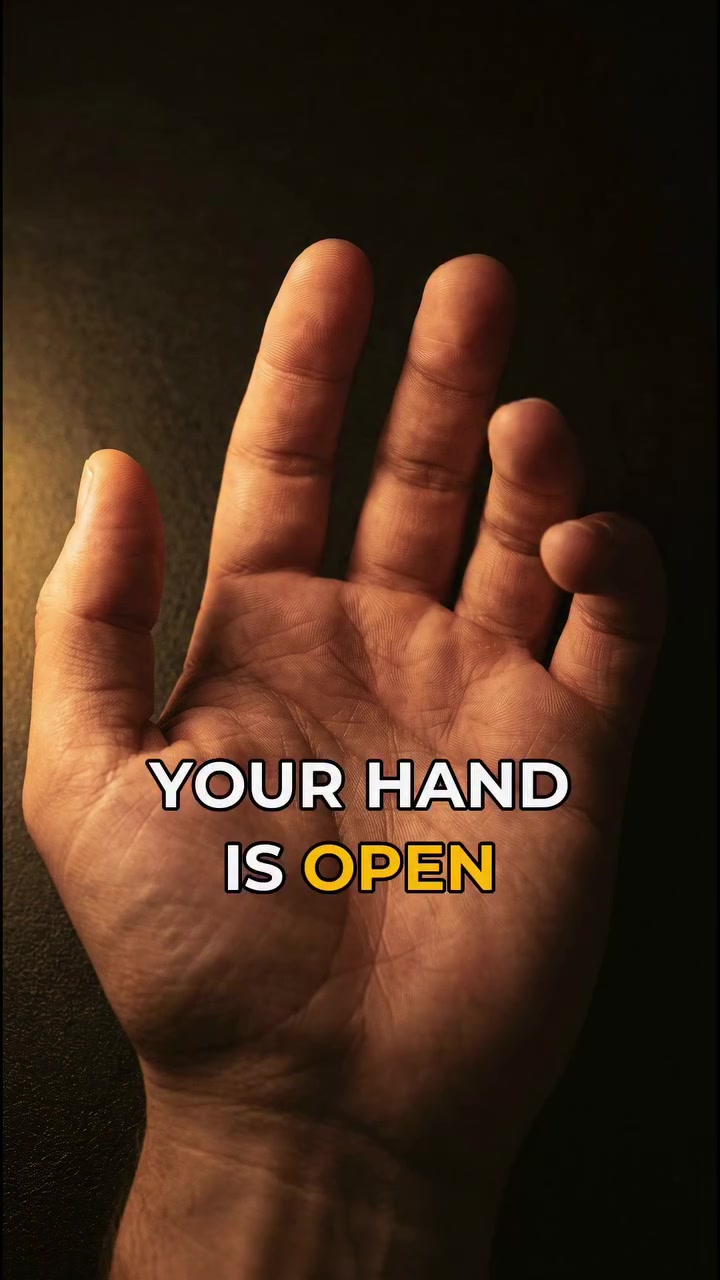
Your hand is open right now. It isn't just relaxed; it's actively expending energy to stay that way. This isn't about strength or weakness — it's about the constant, invisible work of your body's smallest parts.
The Myosin Motor Protein
Myosin, a motor protein, is found in every muscle you have. It’s not static; it’s a tiny motor that grips, pulls, and lets go in a continuous cycle. This ceaseless motion is fueled by a single step in the cycle: letting go. The gripping and pulling use less energy; the process of release requires fuel. When you run out of fuel, your muscles stiffen in rigor mortis, locking in a permanent grip. Myosin is ubiquitous, driving every movement you have ever made.
Unspoken Feelings and The Body’s Cycle
The power of the simple everyday movement of your hand opens the door to a bigger concept. The human body operates on a cycle of letting go and holding on. According to 1954 findings, published in Nature:
- Two labs, two distinct methods, published back-to-back, presented the sliding filament model. It posits that muscles contract through the sliding of two filaments, actin and myosin.
- This model endures to this day, 72 years later, explaining the fundamental workings of the body.
Myosin’s Role in the Body
The Cycle of Effort
The simple act of opening your hand is a feat. It’s not just about the command to open, it’s about the intricate workings of myosin, which drives every bodily motion. “Myosin,” “it grips, it pulls, and it lets go, over and over, all day,” said the speaker. This effort is not just about force, but also about continuous, often unnoticed, energy expenditure.
The Cost of Effort
The heart, for instance, beats tirelessly, never asking how or why. Its automatic function is a reflection of myosin in action. This motor protein, driven by a complex cycle of gripping and releasing, never runs out of effort. For instance, “You never told your heart to do that. You could not stop it if you tried. It has never once asked how you feel.” Underlines the fact that the heart, powered by myosin, works ceaselessly. It keeps going, regardless of fatigue or stress. The speaker’s comparison to emotional rigor mortis, “With no fuel left, a muscle cannot let go. Rigor mortis,” echoes the felt experience of isolation and burnout.
Myosin and Human Connection
The Biochemistry of Emotion
The microscopic view of neurons firing, following the isolated hand, links to the biological processes underlying connection and isolation. Neurochemicals, including the powerhouse of the nervous system, the neuro-transmitter, drive communication through fragile synapses. “Holding on is what happens when nothing works. Letting go is what happens when something does” shifts the focus on the individual’s effort to connect and communicate. The speaker then urges, through the narrative of isolation, “Send this to the person who has been holding on the longest.”
Physical Expression and Tension
Emotional connection and the struggle to maintain it mirror the physical processes at work in the body. The message, “Letting go is what happens when something does,” revisits the cycle of effort and energy expenditure. The narrative highlights its impact on the emotional and social lives. As muscles relax and grip once more, the cycle that connects movement and emotion also links the isolated, and the longing for connection.
Applying Insight on Myosin & Muscle Science
The human body is a source of rich scientific insight, particularly in myosin’s role in muscle function. The sliding filament model’s endurance is a testament to its accuracy. Here’s guidance to deepen an interest in this field:
- Read and Absorb: Explore published works on muscle science, notably studies mentioned in Nature.
- Engage in Dialogue: Connect with fellow enthusiasts online or even locally.
- Stay Active: Practical muscle science can be as simple as appreciating everyday movements.
- Experience the Science in person: Attend seminars or lab tours, if you can make the trip. Do you know someone holding on for too long? Share this. This is more than about muscles — it’s about resilience, letting go, and the power of the human body to keep moving forward.
Questions readers ask
How does myosin contribute to the body’s emotional connection to the world?
Myosin, the motor protein found in every muscle, plays a crucial role in the body's emotional connection by driving constant, often unnoticed movements. Its cycle of gripping, pulling, and letting go reflects the body's overall cycle of letting go and holding on, which can be linked to emotional states like connection and isolation.
What is the sliding filament model and how does it relate to myosin’s function?
The sliding filament model, proposed in 1954, explains muscle contraction through the sliding of actin and myosin filaments. This model remains relevant today, illustrating how myosin's continuous cycle of gripping and releasing drives all bodily movements, including those related to emotional expression.
Can the process of myosin’s cycle be compared to emotional states?
Yes, the cycle of myosin—gripping, pulling, and letting go—can be metaphorically compared to emotional states. Just as muscles need to let go to function properly, individuals need to let go of certain emotions or situations to maintain a healthy emotional connection with the world.
How does the heart’s function relate to myosin’s role in the body?
The heart’s tireless beating is a prime example of myosin in action. The heart never stops, regardless of external factors, because myosin continuously grips, pulls, and releases, driving the heart’s automatic function. This reflects the body’s overall effort to maintain constant, often unnoticed, energy expenditure.
What is the significance of the comparison between rigor mortis and emotional states?
The comparison highlights the idea that emotional isolation and burnout can be likened to a state of rigor mortis. Just as muscles stiffen and lock in a permanent grip when fuel runs out, individuals may feel stuck in emotional states when they are unable to let go of certain feelings or situations.
How does the body’s cycle of effort relate to emotional connection and isolation?
The body’s cycle of effort, driven by myosin, mirrors the emotional cycle of holding on and letting go. When the body cannot let go, it reflects a state of emotional isolation. Conversely, letting go is associated with emotional connection and communication.
What is the significance of the message 'Send this to the person who has been holding on the longest'?
This message encourages readers to reach out to those who may be feeling isolated or stuck in emotional states. It underscores the importance of emotional connection and the need to let go of certain feelings or situations to maintain a healthy emotional well-being.
Related deep dives
Similar reads based on topic and creator.



Recent articles
Fresh deep dives from the latest Reels we unpacked.




Comments
Be the first to comment.