The NATO-Russia Showdown Is Real — and the World Is Watching
Just 10 days ago, Russian President Vladimir Putin accused NATO of creeping closer to Russia's borders, leaving him "no choice but to protect Russian interests." This was not the fiery rhetoric of a press conference, but part of a show of force —an ongoing military escalation taking place in Europe. Putin mobilized his troops, reinforcing his claim with weapons and personnel. Meanwhile, NATO has been escalating, as well, with more troops being stationed on the alliance's eastern flank. But, as of the time of this publication, the two sides have room to de-escalate — and the world is watching closely to see if, and how, they stand down.
Understanding the Escalation
Escalation is when two sides in a conflict both draw on military resources to demonstrate strength and influence the other side's actions. In this case, Russia and NATO have been each reinforcing their positions, a dynamic that got world leaders and military analysts talking. Putin sees NATO's expansion as a direct threat to Russia. On the other side, NATO accuses Russia of planning an attack on the Western security bloc. It's a tense situation, with each side watching the other's military escalations like a boxing match. The escalators have both camped up — mobilization of thousands of troops and artillery and armored vehicles are a few of the equipment showcased. NATO has also gotten into the game. Russia has prepared its defenses. NATO has prepared its defenses. All this builds up until someone blinks. It's the reason why every press conference, every economic sanction, and every military move is being watched with a microscope. Putin's "Winter War" is not just words, but the rising risk of something bigger.
Russia vs. NATO — Vehicles Round Up
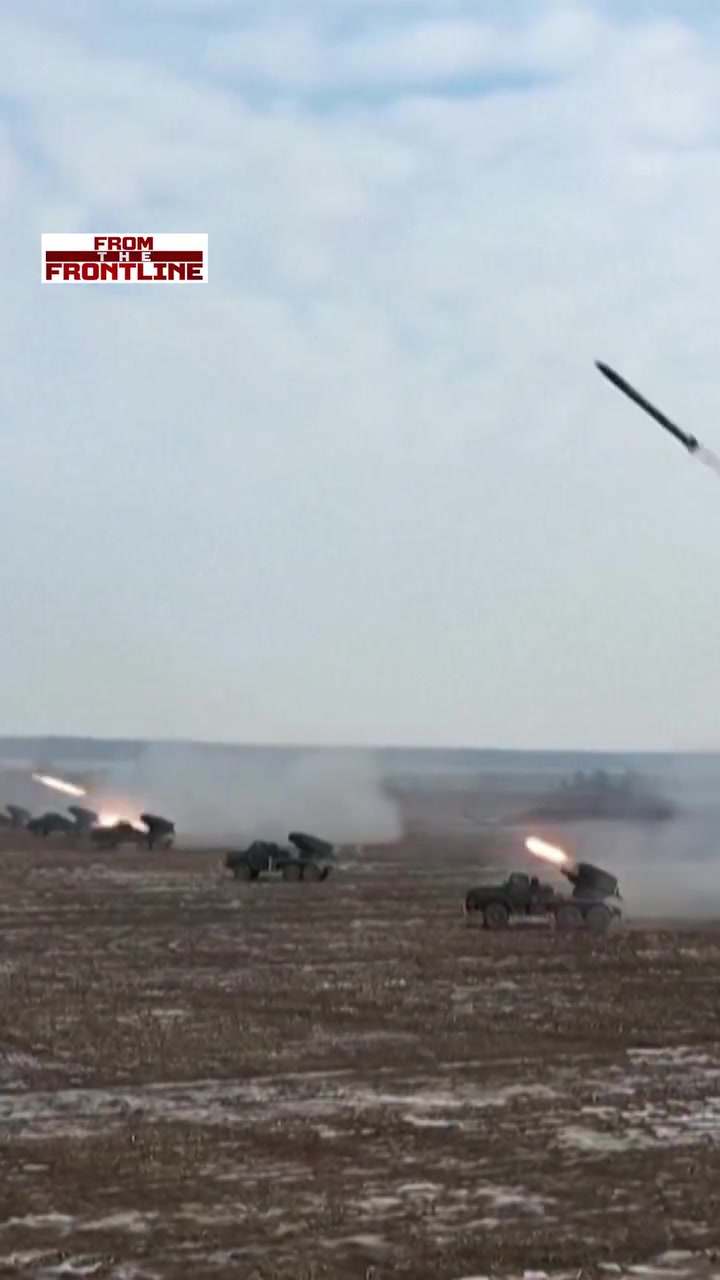
The sheer range of military equipment showcased in the escalation highlights the technological gap. NATO has a sweeping arsenal that includes armored vehicles, helicopters, and artillery. NATO forces have deployed thousands of troops and advanced artillery systems, bolstering the military presence from the Eastern flank. The goal? To reassure its allies and deter Russian aggression. Russia, on the other hand, has escalated its military presence with armored vehicles and helicopters. Russia has thousands of troops ready to defend its interests. These escalations are a cat-and-mouse game where technology and sheer numbers are slowly pushing up the stakes. NATO's technologically-advanced equipment, combined with its sheer number of troops and weaponry, might give it an edge. Russia, on the other hand, has not been shy about its military capabilities, ready to defend its boundaries. However, it's unclear how either side would use their military equipment — and the world is holding its breath.
Let's Discuss the Artillery
The threat of artillery is the air that makes this clash even more terrifying. The capability to target enemies from a distance forces both sides to estimate and check their responses. The artillery systems that NATO and Russia have deployed are a clear indicator of the gravity of the situation. Fulton-again, hard to define certainties. Can this mean that the escalation could escalate further? That's the hard question, and no one wants to be bluffing about it.
What can be made of those helicopters?
Helicopters are an important part of Russia's military. In fact, one of the main roles of these helicopters is surveillance. It provides the strategic clearance of where troops should be located. They are also used for transporting troops and equipment, representing a critical part of Russia's air power. Helicopters are used for taking aerial assaults. To that end, helicopter assaults could very well be an element of the escalation strategy.
Firstpost and its Role
Firstpost, the platform that released the video, obviously isn't at the forefront of the Russian/NATO escalation, but it does give civilians at home a front row seat. Firstpost is a news platform that has created a video series titled “From The Frontline” that aims to provide updates on international military conflicts. The channel is promoting the video on Instagram, with the caption "Putin's Winter War Is Coming, Warns NATO | #FromTheFrontline ." How much information they have is not clear, but it's clear that they want people to watch their coverage. First Post, as a news platform, has framed the escalation as a potential showdown, while at the same time, providing a forum for discussion. Their inclusion of footage from military exercises, artillery, armored vehicles, and helicopters, shows the sheer breadth of military equipment being deployed on both sides. Firstpost has also invitated people to watch their channel and follow the escalation as it happens.
What ordinary folks need to know
Escalation is an ever-growing threat, and nothing is certain in this situation, but there are a few things people can do:
- Stay Informed: The most important thing is to stay informed. Follow the situation and get the latest information. Having access to information can provide a way to understand what is happening in the situation.
- Consider your Safety: No one wants this situation to turn into something bigger. Be aware of the situation as it develops, and be cautious with your movements. If any threats escalate, follow your area's guidelines.
- Keep an Eye Out: Stay firmly rooted in the reality of the fact that everything is not certain, and be vigilant in paying attention.
Questions readers ask
What exactly is the current standoff between NATO and Russia about?
The current standoff is about military escalations near the Ukrainian border. Russia has mobilized over 3,200 troops and NATO has responded by stationing more troops on its eastern flank. The conflict is fueled by Russia's perception of NATO's expansion as a threat and NATO's accusation that Russia is planning an attack.
How are NATO and Russia escalating the situation?
Both sides are escalating by reinforcing their military positions. Russia has mobilized thousands of troops and equipped them with artillery, armored vehicles, and helicopters. NATO has done the same, deploying advanced artillery systems and a significant number of troops to its eastern flank.
What is the goal of the military escalations by NATO and Russia?
The goal for both sides is to demonstrate strength and influence the other side's actions. NATO aims to reassure its allies and deter Russian aggression, while Russia seeks to protect its interests and respond to what it sees as a threat from NATO's expansion.
What kind of military equipment are NATO and Russia deploying?
Both sides are deploying a range of military equipment, including armored vehicles, helicopters, and artillery. NATO has a technologically advanced arsenal, while Russia has also showcased its military capabilities with similar equipment.
How does the use of artillery change the dynamics of the conflict?
Artillery changes the dynamics by allowing both sides to target enemies from a distance. This capability forces each side to carefully estimate and check their responses, adding a layer of complexity and tension to the situation.
What are the potential consequences if either side doesn't back down?
If either side doesn't back down, the situation could escalate into a full-blown conflict. The world is watching closely to see if and how the two sides de-escalate, as the current standoff is a reminder of Europe's fragile peace.
Related deep dives
Similar reads based on topic and creator.

Recent articles
Fresh deep dives from the latest Reels we unpacked.




Comments
Be the first to comment.