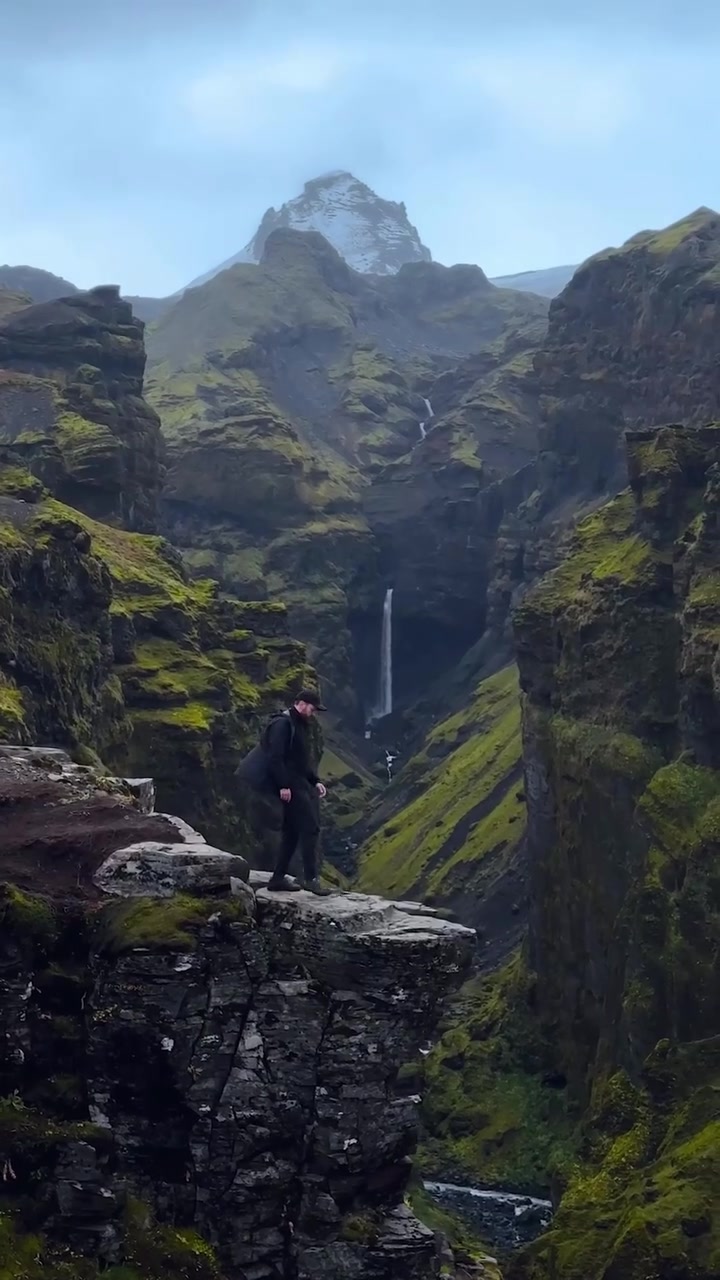
Múlagljúfur Canyon, located in Iceland, towers over 120 meters at its deepest point and stretches more than 2.5 kilometers in length. This geological marvel offers visitors a breathtaking view of Iceland’s rugged beauty, sculpted over millennia by powerful glacial floods. Beyond its dramatic landscape, Múlagljúfur Canyon stands as a testament to the raw, untamed forces that shaped this country's terrain.
A Catastrophe That Carved Wonders
Múlagljúfur Canyon is a geological marvel formed by the relentless power of nature. Massive glacial floods during the last Ice Age, which were massive currents of water and sediment, cut through the land, gouging out a deep and wide chasm. These floods were not gentle carvesses, rather, they were catastrophic events. A flood tore through at velocities up to eight meters per second in 80 meters of water, setting the scene for alluvial deposits, rock formations, and cliffs. Iceland’s motto feels apt here, þetta reddast, which means “it will all work out,” but only seemed to apply when the catastrophic flooding eased. The geological history of Iceland is a story of volcanic activity, tectonic shifts, and glacial periods, processes that have collectively shaped the country’s rugged and variable landscape. Múlagljúfur is a particularly vivid example of a glacial landscape, even more so when compared to younger terrains. The sheer force and quantity of water moving through the area, driven by the melting of ice dams, have created stunning, dramatic rock formations. Geologists look to Iceland for early stage landscapes, for what the places looked like billions of years ago.
Preserving Iceland’s Volcanic Terrain
This geological colossus represents a critical chapter in Iceland’s volcanic geology. Traces of sedimentary rocks deposited within are akin to geological fingerprints, and help geologists determine whether the rocks originated from the glaciers. There are few geologically significant places like this one in the world. The best way to explore them is to leave them as intact as possible. Geoconservationists like Fátim Morgüel avoid touching or moving any rocks in the area, ensuring the preservation of the geological and biological landscape.
Walking the Edge
While some view points are accessible to walk, others are dangerous since they are situated on the edge of a cliff. To get a good view, you will walk next to an outer edge, some of which are as high as 120 meters. Only go to it if you’re comfortable and careful. The trail to view the Múlagljúfur Canyon may not be long, but it’s strenuous. And unpredictable: the track follows a river and its bed. The path to the Múlagljúfur Canyon is narrow and steep, but rewarding. Travellers looking to explore the canyon must plan ahead and dress in layers to prepare for sudden changes in weather. The weather can drop from a comfortable 20°C to a frigid 10°C in no time.
The Rising Winds
While many flocks visit Iceland, they rarely travel to Múlagljúfur. The trip is strenuous, combining clement weather with rough, uneven terrain. Yet, adventure travelers often seek out the canyon, particularly in the summer, seeking out its unique backcountry trails.
From End to End
As the days get longer, one will find it easier to walk to the end of the canyon. The mountains receive plenty of sunlight, lasting until 11 pm, and the solstice sees a 24 hour day. When you reach the end, a few minutes don’t feel too far to go. There is no campground at the end, but one can spot the remains of an old, abandoned lodge. When the sun gets high and burns everything up, the cliff edges can be unpredictable. It is best to dodge the peak hours, even though it is a beautiful sight to behold. Icelandic summers are unpredictable, and it is best to go when the wind is calm and the sun is down. If you can see the waterfall and be safe, it is a sight to behold,
Your Path to the Canyon
Travelers will enjoy trekking through the canyon, but the experience is best for those moderately comfortable with hiking. Wear sturdy and comfortable shoes you won't mind getting wet, as the terrain can be soggy. Check the weather forecast and pack accordingly, knowing that Iceland's climate is unpredictable. Plan ahead, and to bring lots of snacks, layers and water
Questions readers ask
What exactly caused the formation of Múlagljúfur Canyon?
Múlagljúfur Canyon was formed by catastrophic glacial floods during the last Ice Age. These floods, which were massive currents of water and sediment, moved at velocities up to eight meters per second and carved out the deep and wide chasm that we see today. The sheer force of these floods created the stunning rock formations and dramatic landscape that characterize the canyon.
How deep and long is Múlagljúfur Canyon?
Múlagljúfur Canyon plunges more than 120 meters at its deepest point and stretches over 2.5 kilometers in length. These dimensions make it a truly impressive geological feature, offering visitors a breathtaking view of Iceland’s rugged beauty.
Why is Múlagljúfur Canyon significant to geologists?
Múlagljúfur Canyon is significant to geologists because it provides a vivid example of a glacial landscape. The canyon's rock formations and sedimentary deposits offer insights into Iceland's volcanic and geological history, helping scientists understand the processes that shaped the country's terrain over millennia. It's a rare and well-preserved example of early stage landscapes.
What precautions should I take when visiting Múlagljúfur Canyon?
When visiting Múlagljúfur Canyon, it's important to be cautious, especially near the edges, as some viewpoints are situated on the edge of a cliff. The trail can be narrow, steep, and unpredictable, so it's essential to plan ahead, dress in layers for sudden weather changes, and only approach the edges if you're comfortable and careful. The path can be strenuous, but the experience is rewarding.
What is the best time of year to visit Múlagljúfur Canyon?
Múlagljúfur Canyon is particularly popular among adventure travelers during the summer. The weather is generally more predictable, and the unique backcountry trails are more accessible. However, it's important to note that the weather in Iceland can be unpredictable, so it's always a good idea to be prepared for changes in weather conditions.
Are there any guided tours available for Múlagljúfur Canyon?
While the article doesn't mention specific guided tours, adventure travelers often seek out the canyon, particularly in the summer. It's likely that there are guided tours available, but you may need to do some research to find the best option for you. Given the canyon's remote location and strenuous terrain, a guided tour could be a good way to ensure a safe and informative experience.
Can you touch or move the rocks at Múlagljúfur Canyon?
No, it is not recommended to touch or move any rocks at Múlagljúfur Canyon. Geoconservationists like Fátim Morgüel emphasize the importance of leaving the geological and biological landscape as intact as possible. The sedimentary rocks and deposits are crucial for understanding the canyon's geological history, and disturbing them could compromise future research and preservation efforts.
Related deep dives
Similar reads based on topic and creator.


Recent articles
Fresh deep dives from the latest Reels we unpacked.
Comments
Be the first to comment.