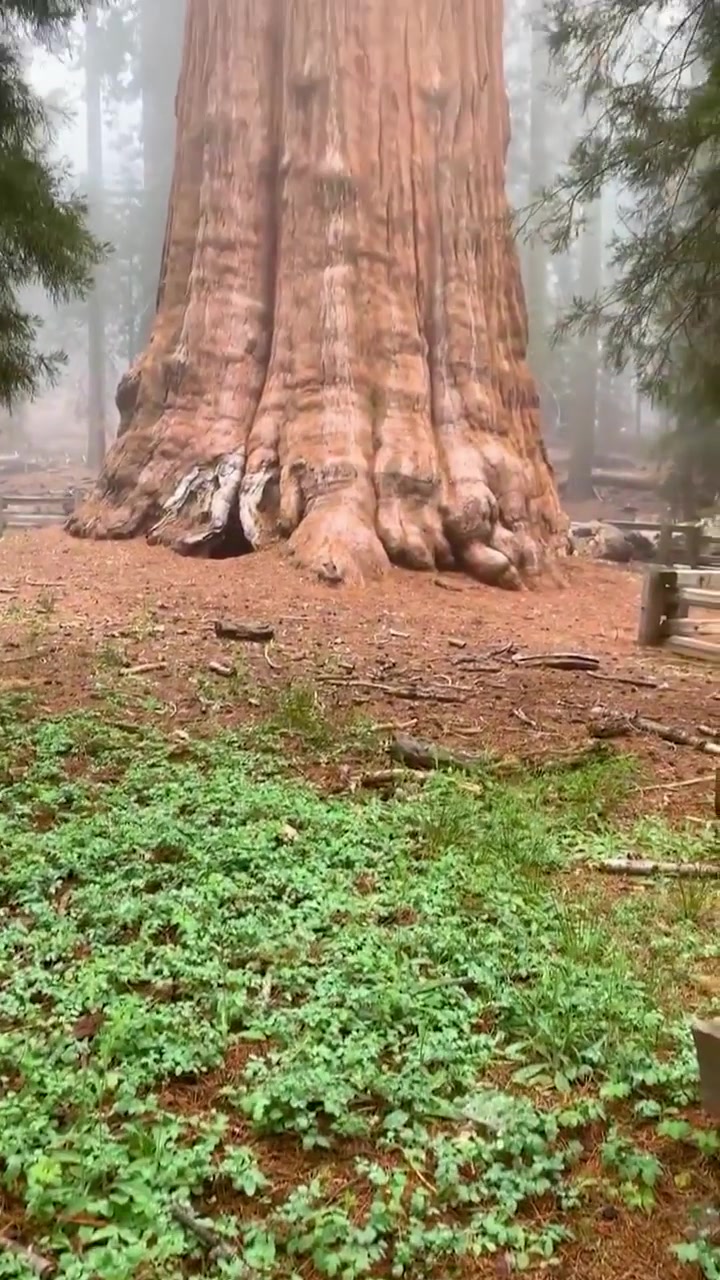
Redwoods are the world's tallest trees, and only about 5% of the California giants remain. One species — the coastal redwood, Sequoia sempervirens — grows an average 250 feet and more than 5 feet in diameter. Each tree grows 360 cubic meters of wood — enough to build 50 houses. The trees are trees that can live for 2,000 years or more, and they are the tallest trees on Earth.
Coastal Redwoods, America's Green Giants
Redwood trees are a particular species of evergreen trees that thrive primarily on the Pacific coast of the United States. The tallest known living redwood, named Hyperion, stands 380.1 feet, 0.6 inches taller than the Statute of Liberty. With an estimated age of over 1,000 years. Coastal redwoods frequently reach 250 feet or more, and the species is known for its ability to thrive in a variety of conditions. These trees have an incredibly long lifespan, with many trees growing for more than 2,000 years. Redwood trunks grow so thick and tall that their interiors hollow out in old age. The wood is so dense that it is resistant to fire and decay. A mature redwood tree can absorb 4,000 kilograms of carbon a year — about as much as an average car emits in a 3,500-mile road trip.
Why it’s history matters
The earliest known redwoods date back 160 million years, during the Jurassic period. Now, they remain as the tallest trees in the world and an artificial forest tourism hotspot. The redwoods survived the dinosaurs and the Ice Age, remaining unchanged, yet are worth $0.55 trillion. For centuries, Native Americans relied on the redwoods for food, shelter, and resources. The first recorded visit by a European to see the redwoods was in 1769. Now, redwood forests are preserved in national and state parks, and protected on private land. Programmes have existed since the 1970s to restore damaged forests.
How Redwoods Survive
The video showcases a massive redwood tree, likely in a national park. The camera focuses on the base of the tree, capturing its immense height and the surrounding forest shrouded in mist, creating a mystical atmosphere.
Where do redwoods grow?
Redwoods grow in California, USA, with the majority in two national parks: Redwood National and State Parks in the north and Big Basin Redwoods State Park in the south. These trees prefer moist, foggy climates and thrive in the coastal ranges of California.
How do redwoods photosynthesise?
The trees have specialized leaves called needles that stay green throughout the year. The stomata, or tiny pores on the needles, allow the tree to absorb carbon dioxide and release oxygen. The redwood uses this process to grow and thrive. The needles are also equipped with a water-resistant waxy coating that helps the tree retain water.
How redwoods stand tall
Redwood trees rely on a strong, fibrous root system that grows both horizontally and vertically. Unlike many trees, redwoods do not have a single deep taproot. Instead, their root systems combine to form a network that anchors the tree and provides stability. The trees are supported by the trunks, which are incredibly strong and dense. These features contribute to the ability of redwoods to withstand strong winds and storms, making them some of the most resilient trees in the world.
Experience the Redwoods Today
Visitors can enjoy the spectacle of the redwood groves, the world’s tallest trees, at four national parks in and near Northern California. * Capturing them on camera – Take pictures. ** * Seeing them from a distance – Redwoods can be tougher to climb. Read the markers that measure the height of each tree. ** * Understanding their history – Visit the visitor’s center. Interpretive signs convey the human history and ecological characteristics of the park. * Safely encountering them – Keep a safe space. You can walk and sightsee without any problem. But campfires are prohibited. The leaves and needles are hazardous to burn.
Questions readers ask
What makes redwoods so tall and resilient?
Redwoods are incredibly tall and resilient due to several factors. Their strong, fibrous root system, which grows both horizontally and vertically, anchors the tree and provides stability. Additionally, their trunks are incredibly strong and dense, and their wood is resistant to fire and decay. This combination of features helps redwoods grow to enormous heights and thrive in a variety of conditions.
How do redwoods contribute to the environment?
Redwoods play a significant role in the environment by absorbing large amounts of carbon dioxide. A mature redwood tree can absorb 4,000 kilograms of carbon a year, which is roughly equivalent to the emissions from an average car on a 3,500-mile road trip. This makes them valuable in the fight against climate change.
Can I visit the Hyperion redwood?
Unfortunately, the exact location of the Hyperion redwood is kept secret to protect it from damage and over-tourism. However, you can visit other magnificent redwoods in national parks like Redwood National and State Parks in California, USA, and Big Basin Redwoods State Park.
How do redwoods survive in extreme conditions?
Redwoods have adapted to thrive in a variety of conditions, including extreme ones. They have a water-resistant waxy coating on their needles that helps retain water, and their dense wood is resistant to fire and decay. Additionally, their root systems are designed to provide stability in various soil conditions.
Are redwoods endangered?
Redwoods are not endangered, but they are threatened. Around 95% of the original redwood forests have been logged, leaving only about 5% remaining. Conservation efforts have been in place since the 1970s to restore damaged forests and protect existing ones. Visiting them in national parks is a good way to support their preservation.
What is the oldest known redwood?
The exact age of the oldest known redwood is hard to pinpoint, but these trees can live for over 2,000 years. The Hyperion redwood, for example, is estimated to be over 1,000 years old. Their longevity is one of the reasons they are so fascinating to scientists and nature enthusiasts alike.
Related deep dives
Similar reads based on topic and creator.



Recent articles
Fresh deep dives from the latest Reels we unpacked.




Comments
Be the first to comment.