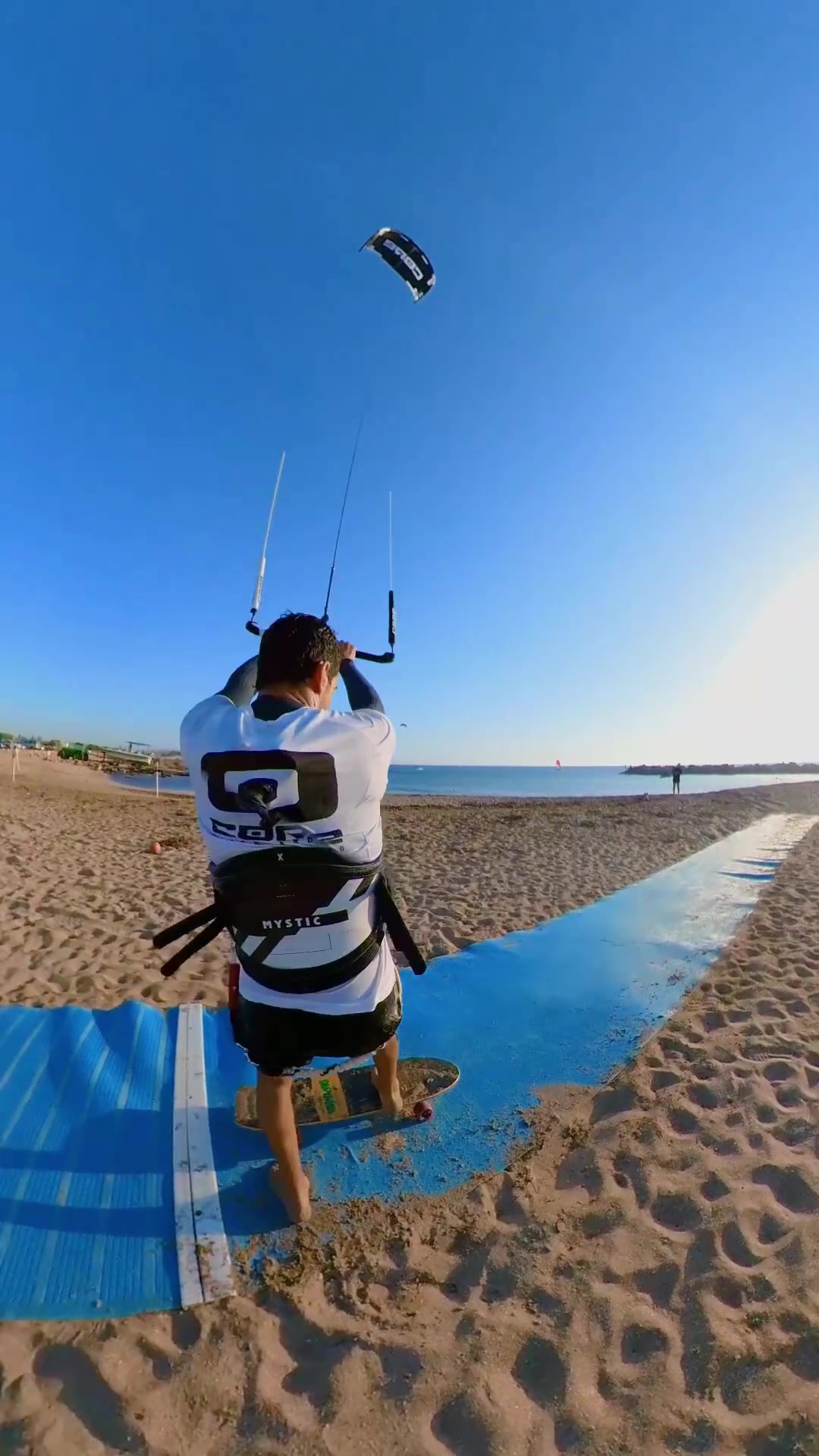
Riding a powerfully shaped kite behind a speeding board, a kitersurfer soars against the water — not just across it. The equipment, like the Mystic gear visible in the clip, is designed for the ultimate in speed, control and agility. This sport is kitesurfing. It combines aspects of wakeboarding, windsurfing, and surfing to create an exhilarating, dynamic experience.
Kitesurfing: The Thrill of Speed and Heights
Kitesurfing is a sport that evolved from windsurfing and wakeboarding in the late 1990s. The sport combines elements of both activities, with riders using a kite to harness wind power and propel themselves across the water on a specially designed board. This isn’t a peaceful pastime of gliding along the ocean — this is about harnessing the wind to perform stunts and jumps. Of course the wind is not your friend—its power is what makes the sport as challenging as it is thrilling. On one front, learning how to steer the kite and adjust its power is critical. On the other, mastering the board ensures riders stay upright on the water or even attempt aerial tricks. As a sport, equipment safety and technology are paramount. Before hitting the water, the rider must set up the kite—its lines, bar and harness for powering the ride and supporting the rider’s body weight. Proper safety protocols ensure the kite will release in an emergency (depower and quick release systems). Even how the kite soars tells a story about design and aerodynamics. That’s why Mystic and other brands emphasise robust engineering: the rider’s safety and performance depend on both the kite and the board.
Power Beneath the Surface
Kitesurfing is in the continuum of extreme water sports. Since the mid-1990s it has captured the attention of adrenaline junkies and spectators alike. Unlike surfing, it is easily accessible to many places with consistent wind conditions. It also attracts spectators and photographers with the sport’s high-flying stunts. These aspects make it a standout sport and a growing element of water sport culture. Not everyone can take up kitesurfing on a whim. It requires access to a controlled body of water like a kiteboarding school or specific beach areas with steady winds. The conditions can also limit an enthusiast to certain months or seasons. Without a reliable wind source, there would be no speed, stunts or even simple rides. In turn, it requires genuine physical exertion: everyone must learn to harness the wind and balance on a board. Finally, it’s crucial to have proper equipment and setup, and the right gear from brands like Mystic.
The Anatomy of a Kitesurfing Board
Kitesurfing boards are built to handle speed, jumps, and landings. The board’s design and materials significantly impact the rider’s performance. Boards for beginning and experienced riders vary: while some kitesurfing boards are flat and stable, expert boards allow for more maneuverability and aerial skills. The board’s length, width, shape, and fin setup contribute to the board’s behaviour on the water. Additionally, kitesurfing boards may have straps or bindings to help riders achieve more control. Some boards integrate features such as thicker, more rigid cores for enhanced durability and stability, while others are designed with specific weight distributions to aid in balance and agility.
The Role of the Kite
The equipment in kitesurfing encompasses both the wind-harnessing device and the board. It starts with the kite, which captures the wind and directs it, pumping power to the rider below. The kite’s size, shape, and design influence the biomechanics of riding and the kite’s responsiveness. To ride safely, kitesurfers rely on the kite’s frame and wing structure to move the kite around the wind window (or “out of bounds”) and spot the wind: kitesurfers adjust their kite angles while riding to gain speed or switch abruptly. The kite’s harness, lines and bars are designed to let the rider control the kite under variable wind conditions or risk injury. That’s why Mystic and other brands focus on safety and innovation — and why kitesurfers rely on them, with control and customization.
Getting Air and Grinding Tricks
A kiteboard isn’t complete without a rider’s tricks and air. The tools mentioned are only half the equation. The other half lies in the rider’s skill Eight of the main tricks are kite loops, front and back rolls, ollies, grab and release tricks, carving turns, and transitions. The tricks, air, and speed come by a masterful combination of the rider’s understanding and control of these tools and the wind. The rider must adjust the trim of the kite to achieve perfect balance during their ride. For a jump, the rider does a series of motions like popping the board: while in the air, the rider can adjust to execute different tricks and maneuvers. In a rider's hands (or feet), advanced tricks like the Kaleidoscope, MKS, 720s (two-and-a-half spins) and surface passes set kitesurfing apart from other sports. These moves draw crowds to events and inspire stories about the athletes who perform them. The trick is knowing how to control the kite’s power as it pulls and adjusts — and knowing how to use the board to perform the tricks.
Learning to Kitesurf
No one should step into the water without the right preparation. First, take formal kitesurfing lessons from certified instructors who can teach proper techniques and safety protocols. Second, familiarize yourself with the equipment and its components. Learn how to set up and use the kite and board safely and correctly. Third, learn the different wind conditions and how they affect kitesurfing. Fourth, find controlled, shallow waters for practice and avoid hazardous areas.
- Safety: Always prioritize safety by following the rules, wearing a helmet, and using a leash and quick-release system.
- Equipment: Know your equipment and how to store it. Kitesurfers must take care of their gear by rinsing, drying, and storing it properly. On top of that, kitesurfers should regularly inspect and repair any damage to their gear. Even the smallest tear or crack in the kite or board can compromise safety and performance. Proper care and handling of your gears ensure it remains in good working condition for as long as possible.
- Weather: Track the daily weather report and forecast. As much as possible, avoid windy conditions that exceed your skill level and comfort zone.
- Communication: Be honest with yourself, your instructor, and your kiteboarding community about your skill level.
Power, Speed, and Control of the Open Water
With the right knowledge, skill, and equipment, kitesurfing can be an enriching experience. Its lessons apply beyond the sport. Learning to harness wind power means learning to control the direction and speed of the board, whether you’re a seasoned kitersurfer or an amateur. Kitesurfing represents harnessing energy to perform stunts and tricks, all while enjoying the outdoors.
Questions readers ask
What exactly is kitesurfing and how did it come about?
Kitesurfing is a thrilling water sport that combines elements of wakeboarding, windsurfing, and surfing. It evolved in the late 1990s, where riders use a kite to harness wind power and propel themselves across the water on a specially designed board. This sport is all about speed, jumps, and performing stunts, making it a dynamic and exhilarating experience.
How does the equipment work in kitesurfing, and what role does the kite play?
The equipment in kitesurfing includes a kite, a board, and safety gear like a harness and release systems. The kite is crucial as it harnesses the wind's power to propel the rider. It's attached to a control bar with lines, allowing the rider to steer and adjust the kite's power. The board is designed for speed, control, and agility, with features like straps or bindings for better control.
What are the key differences between kitesurfing and other water sports like surfing or windsurfing?
Unlike surfing, which relies on wave power, kitesurfing uses wind power harnessed by a kite. It's more accessible than surfing because it doesn't require waves and can be done in various locations with consistent wind. Compared to windsurfing, kitesurfing offers more freedom of movement and the ability to perform high-flying stunts.
Is kitesurfing a sport I can easily pick up as a beginner, and where can I learn it?
Kitesurfing requires proper instruction and practice to master. It's not something you can easily pick up on your own. You should start with lessons at a kiteboarding school or in a controlled environment with steady winds. These schools provide the necessary equipment and safety protocols to ensure a safe learning experience.
What kind of physical exertion is involved in kitesurfing, and what skills do I need to learn?
Kitesurfing demands significant physical exertion, including balancing on a board, harnessing the wind, and performing stunts. You need to learn how to steer the kite, adjust its power, and master the board to stay upright and perform tricks. It's a full-body workout that challenges your coordination, strength, and agility.
Related deep dives
Similar reads based on topic and creator.




Recent articles
Fresh deep dives from the latest Reels we unpacked.




Comments
Be the first to comment.