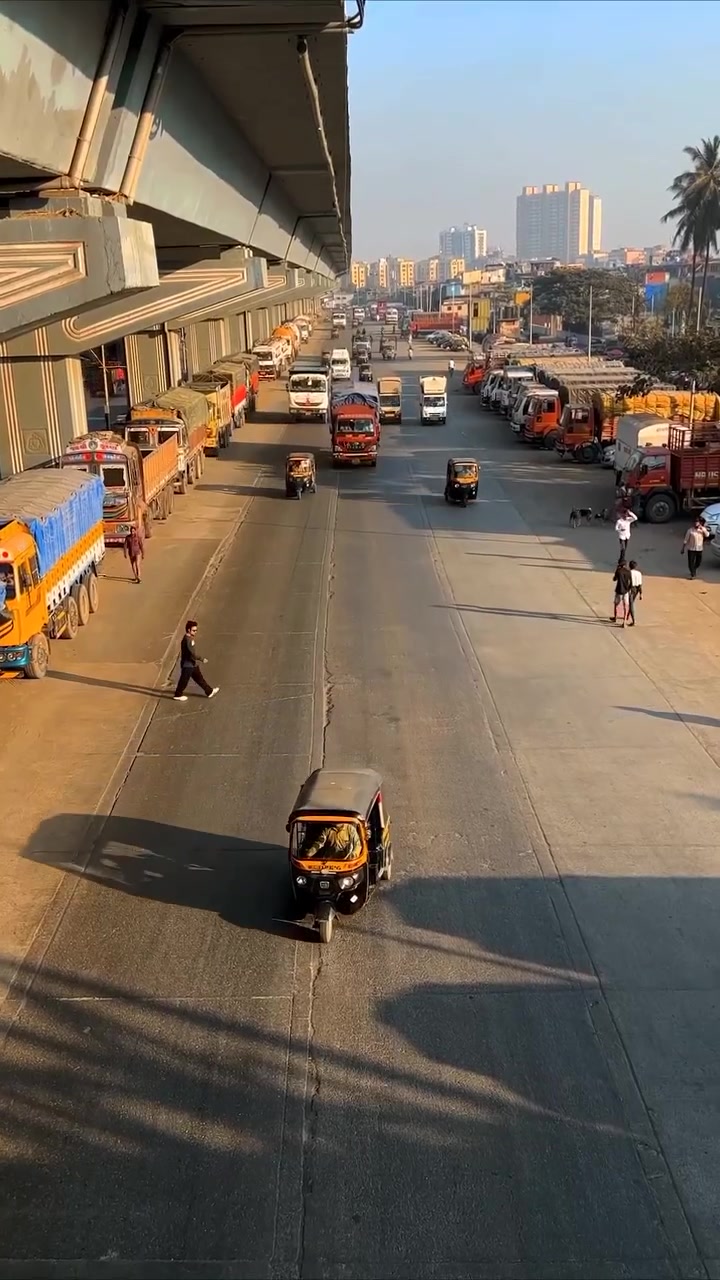
Mumbai’s traffic is as legendary as the city’s Bollywood glamour. Each day, over 20 million residents navigate its gridlocked streets, where auto-rickshaws dart between trucks and pedestrians jostle along sidewalks. In a city known for its chaos, it’s the juxtaposition of congestion and convenience that makes Mumbai’s transportation ecosystem both challenging and endearing.
The Urban Dance of Mumbai: a Multimodal Chemical
Mumbai’s streets form a dynamic dance of transportation options. The city’s population relies on buses and trains for mass transit. In addition, residents often turn to motorcycles and scooters for shorter distances, because their compact size makes them more maneuverable. Auto-rickshaws, often called tuk tuks, have significant traction with tourists, as they are a fun, easy, and affordable way to explore the city full of history. Tuk tuks are a staple of Mumbai's bustling streets — a distinct compact, three-wheeled vehicle that’s easy to spot. Their compactness makes them particularly nifty, as they can zip through narrow laneways and tight spaces. Tuk tuks are an essential mode of transport for many residents who rely on their speed and affordability. Many locals walk or cycle to work. The city's sidewalks, when available, are busy corridors. Unfortunately, they are not always safe. Since Mumbai's urban planning leaves much to be desired, pedestrians face obstacles and risks in addition to heavy traffic. However, the famed street food is a draw, as well as the vibrant markets and bustling bazaars.
Dancers on Mumbai’s Stage
Mumbai’s traffic is a window into the city’s beating heart. Auto-rickshaw drivers navigate the city’s chaotic streets expertly, maneuvering through dense traffic with ease. In this bustling metropolis, the way residents navigate their daily commutes tells a story of resilience and adaptation. The energy of Mumbai traffic is a testament to the city’s vibrancy. Taxis, auto-rickshaws, and private vehicles navigate the chaotic streets while blaring horns, creating a symphony. The constant bustle and noise are part of the experience. Pedestrians negotiate their way through traffic, and this collective effort is a unique example of urban life in India. This is the city’s essence — the energy of Mumbai traffic encapsulates the city’s spirit and resilience. Busy streets form the backdrop for many iconic scenes of Mumbai’s urban life, with a unique blend of heritage, vibrant street culture, and commercial dynamism.
The Auto-Rickshaw Experience
In a city where space is at a premium and the traffic is a constant companion, auto-rickshaws have become a lifeline, making them a crucial part of Mumbai’s street culture. They are synonymous with the people’s daily routines, providing transportation for people of all walks of life, and adored for their affordability. These vehicles have the added charm of being a colorful addition to streets. For non-local travelers, riding in a rickshaw offers an immersive experience. The rickshaw drivers are a font of knowledge, sharing their stories and the city’s hidden gems, making the trip all the more unforgettable.
Quantitative Scaling
We don’t know much about Mumbai's traffic patterns and dynamics. For the tech-obsessed, e-scooters may be the next craze. They offer a modern and ambitious option in a gridlocked city with dire pollution issues. Shuttles could be another alternative, adding a more organized dimension to the urban scene. They’re a favorite around the suburbs. Yet, the modal-split between buses, trains, personal vehicles, and public transit is far from intuitive for the average commuter.
The Winds Beneath the Prepared Wings
The city’s air quality has been increasingly deteriorating due to vehicular pollution. With Mumbai’s limited infrastructure and population size, the city's air quality is increasingly alarming. But the city continues to make efforts towards improving the situation. Mumbai is slowly embracing green transportation. The city aims to reduce congestion and pollution. The Mumbai Metropolitan Region Development Authority (MMRDA) is planning to introduce a metro rail system, which is expected to reduce congestion and improve the city’s air quality. As it is, bikeshare systems and e-scooters offer alternatives to cars and trucks, helping ease congestion.
To the Curious: How to Explore the Urban Jungle
Ease in — first, find a reliable auto-rickshaw or tuk tuk driver. Tuk tuks offer a slow pace and allow tourists to actually experience the city, rather than just passing through it. Many drivers are happy to share their knowledge of the city, which can provide an insightful experience. When heading to new locales, don't rely on GPS— ask your driver for directions. Create the actual ascent! The ferocity of Mumbai is a sight to behold. If you want to step away from the usual tourist experience, get lost in the urban grid. Wander through the famed Film City or visit the quaint bylanes of Bandra and discover eateries and stalls. Unlike more peaceful locales, Mumbai's streets are chaotic, raw, and electric, offering a whirlwind of experiences in a short span of time. Become a part of the operative. Mingle with locals, and you will discover more about Mumbai’s social fabric. Like in many places, locals are often the best source of information.
Mumbai’s Energy
The energy in Mumbai is unlike any other. From the bustling streets to the vast public transportation system, there’s always something happening. The transition from a beach city to urban jungle is a cultural phenomenon. Mumbai’s traffic is a living, breathing entity, a testament to the city’s resilience and energy. If you’re brave enough to navigate it, you’ll discover a city that’s as vibrant and dynamic as its people.
Questions readers ask
What makes Mumbai’s traffic so unique compared to other major cities?
Mumbai’s traffic is unique due to its high density of vehicles and pedestrians, all coexisting in a vibrant but chaotic environment. The city’s streets are a mix of motorcycles, tuk tuks, and buses, which creates a dynamic and sometimes overwhelming scene. The constant honking and the need for pedestrians to navigate through traffic make Mumbai’s traffic a distinctive urban experience.
How do auto-rickshaws, or tuk tuks, contribute to Mumbai’s transportation ecosystem?
Auto-rickshaws are a crucial part of Mumbai’s transportation ecosystem due to their compact size, which allows them to navigate narrow streets and tight spaces with ease. They are also affordable and convenient, making them a popular choice for both locals and tourists. Their presence adds to the city’s vibrant street culture and offers an immersive experience for visitors.
How do pedestrians navigate Mumbai’s sidewalks, which are often crowded and unsafe?
Pedestrians in Mumbai navigate the sidewalks by jostling through crowded markets and bustling bazaars. Despite the obstacles, they are drawn to the vibrant street culture and the availability of street food. However, the lack of proper urban planning makes walking a risky and challenging task.
What role do auto-rickshaw drivers play in the city’s culture?
Auto-rickshaw drivers are not just transporters; they are storytellers and guides, sharing insights about the city and its hidden gems. Their knowledge and charm enrich the experience for both locals and tourists, making the auto-rickshaw ride more than just a means of transportation.
What are some of the challenges faced by pedestrians in Mumbai’s urban landscape?
Pedestrians in Mumbai face numerous challenges, including heavy traffic, narrow sidewalks, and a lack of proper urban planning. These obstacles make walking a risky endeavor, but the vibrant street culture and the allure of street food keep pedestrians coming back.
Why is Mumbai’s traffic considered a window into the city’s beating heart?
Mumbai’s traffic is a window into the city’s beating heart because it reflects the city’s resilience and vibrancy. The way residents navigate their daily commutes, despite the chaos, showcases their adaptability and spirit. The constant bustle and noise are part of the city’s unique energy, encapsulating its essence.
What are some of the unique aspects of Mumbai’s urban life that are reflected in its traffic?
Mumbai’s urban life is reflected in its traffic through the unique blend of heritage, vibrant street culture, and commercial dynamism. The city’s streets are a backdrop for iconic scenes, and the energy of the traffic encapsulates the city’s spirit and resilience. The constant bustle and noise are part of the experience, making it a unique example of urban life in India.
Related deep dives
Similar reads based on topic and creator.



Recent articles
Fresh deep dives from the latest Reels we unpacked.


Comments
Be the first to comment.