Capturing the Majesty: A Guide to Photographing Iconic Mountain Landscapes.
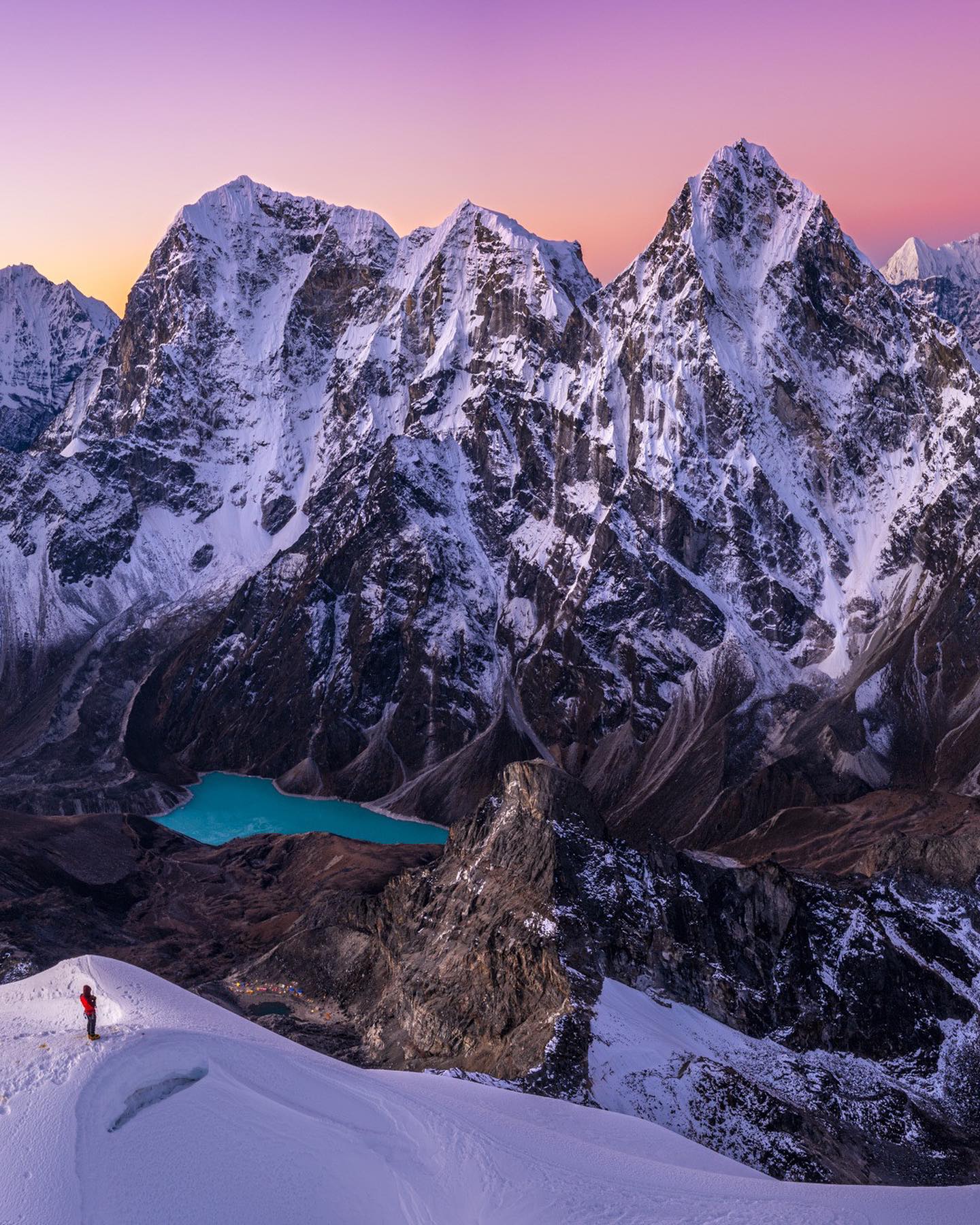
After some creative inspiration searching for a mountain landscape it can be easy to capture the beautiful panoramic view of snow-capped mountains, especially with the peaceful tranquility ushered while emitted by the rising sun. Is it the the camera or is it our eyes taking in the stunning image. Sunrise sets the scene with its dramatic lighting, casting long, delicate shadows. Another thing photographers might find helpful is the vibrant turquoise lake featured beneath the mountains, enhancing the visual appeal by adding striking color contrast.
Tips for Capturing Dramatic Lighting
Sunrise and sunset create the best photographic conditions for capturing mountains' grandeur. During these times, the sky is painted with warm hues, casting dramatic lighting that enhances the snowy peaks. The light is softer, reducing harsh shadows. To capture the best image, shoot during the "golden hour," the 30-60 minutes after sunrise or before sunset. This window offers a soft, diffused light that brings out the textures of the mountains and creates a warm, inviting atmosphere. Position the mountains so that the light source is behind them, silhouetting their peaks and highlighting their form.
Composition Mastery
The human figure, a small dot in the expansive landscape, emphasizes the vastness of the mountains and creates a sense of scale. Positioning a person in the frame adds a narrative element, inviting viewers to imagine themselves in the scene and connecting us with the relationship of ourselves and nature. The person could be walking, sitting, or simply standing, but their presence should feel natural and uncomplicated, as if they are a part of the landscape itself. A turquoise lake nestled in the valley below the mountains adds a stunning visual contrast, enhancing the beauty of the scene. Look for reflections in the lake, which can mirror the surrounding peaks and create a mesmerizing effect. If you want to keep the lake as a central focus, it is best to capture the shot during the morning or later at the end of the day, when the sun is not at the zenith. Also, consider the rule of thirds to achieve a balanced and compelling composition. Place the mountains or the person at one of the intersections of the imaginary grid that divides the frame into thirds, both horizontally and vertically. Also, keeping the mountains in the foreground and keeping the sky away from it creates a sense of depth, while incorporating the lake in the foreground adds a visual anchor. Don't by pass the trails of the snow-covered ridge to make the mountain landscape photography more captivating.
The Visual Heart of Mountain Photography
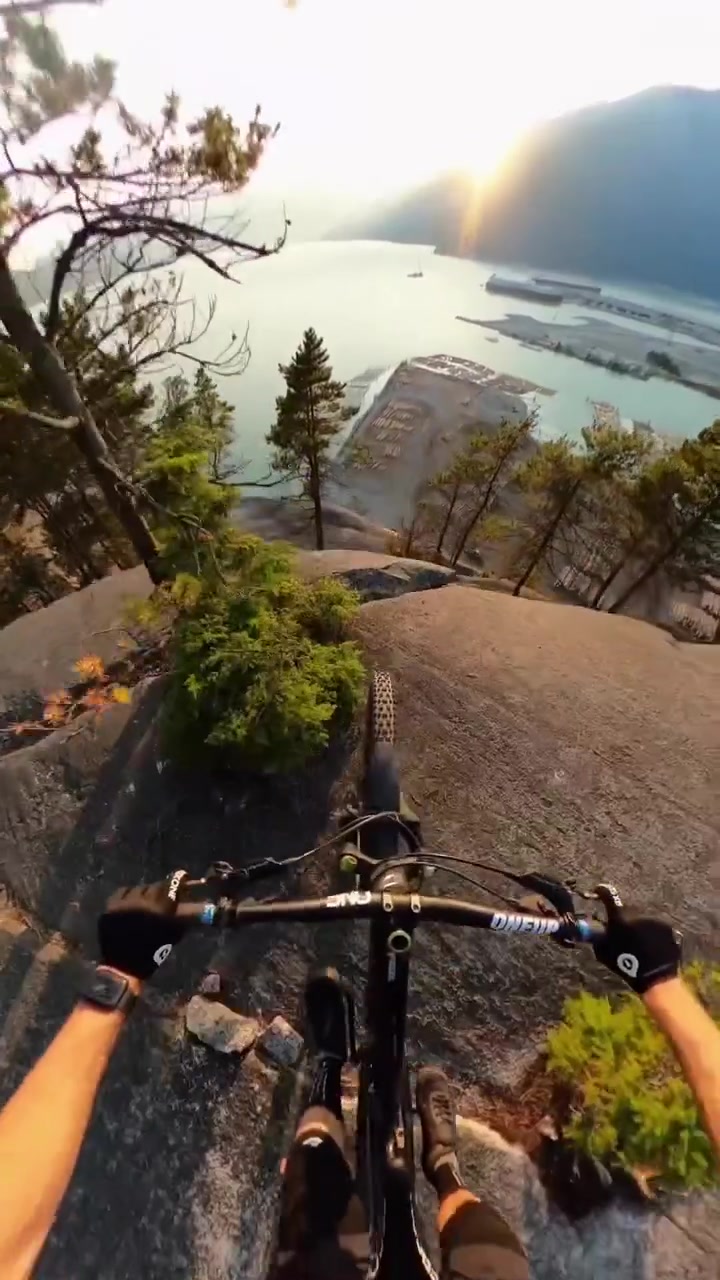
The photograph showcases a stunning panoramic view of snow-capped mountains, which gives an a grand view. The mountains are captured at sunrise or sunset, thus, the sunlight hits the snow-capped mountains delicately. The vibrant turquoise lake nestled in the valley below adds a striking color contrast, enhancing the scene's overall beauty. The visual appeal of the photograph is further enhanced by the presence of a lone figure standing on a snow-covered ridge, seemingly admiring the vista. This small figure emphasizes the vastness of the landscape and creates a sense of scale, drawing your eye in and inviting you to experience the majesty firsthand. The rich color contrast thus generated by the mountain-top features, the ground, and the blue lake creates a stunning balance. The viewer's visual journey through the photograph begins with the prominent, snow-covered mountain range. The mountains’ peaks, illuminated by the soft golden light of sunrise or sunset, serve as the backdrop. The turquoise lake catches the eye next, positioned at the base of the mountains, and complements the vividness of the mountain's white snow. The lone figure stands as a focal point, creating an engaging visual connection. While capturing the image, the photographer can choose from an array of angles. A panoramic view showcases the vastness and grandeur of the mountains, while a close-up shot of the lake captures its serene beauty. Incorporating the lone figure into the scene brings a narrative element that connects the viewer to the landscape and other moments seclusion.
A Modern Twist on a Classic Genre
In today's gear-saturated world, expect to see a new type of adventurer, the photographer exploring extreme heights and dangerous areas. We must adapt to nature—and not the other way around. Avoid the temptation of over-sharpening or over-processing your photos, which can distort the natural beauty and emphasize imperfections. Mountain landscape photography seen in the photograph brings to the hearts of those who cherish the beauty of nature. Nature's wonders are not something we conquer, but rather humble ourselves before. During the entire shooting session, you need to learn to respect, embrace, and even enjoy these challenges. This way, you are not only capturing the beauty of the mountains but also your experience and journey.
Frame the Essentials of Mountain Photography
Finding the ideal location for capturing a mountain landscape involves careful planning. Your success depends on your knowledge of the terrain, weather patterns, and timing. Carry a reliable map and GPS device to ensure you stay on track. Leave no trace of your visit and be mindful of local regulations to protect the environment. Key post-processing steps for enhancing a mountain landscape photograph include adjusting the white balance, exposure, and contrast. You may also need to clean up any unwanted elements, such as power lines or trash. Focus on the light source and time of day can make or break your shot. A fully-charged camera battery and a fully-charged camera battery and spare can save your session. It's also good to have a tripod and a remote shutter release to minimize camera shake and keep your settings consistent. Check the weather conditions too. Adding RAM or processing power to your computer, or applying Lightroom presets can help you handle large RAW files. But, these don't guarantee the best shot. It is better to spend time in the field learning how to optimize your settings and composition rather than depending on technology.
Questions readers ask
What exactly is the 'golden hour' and why is it important for mountain landscape photography?
The 'golden hour' refers to the 30-60 minutes after sunrise or before sunset. It's important because during this time, the light is soft and diffused, which enhances the textures of the mountains and creates a warm, inviting atmosphere. This is the best time to capture the dramatic lighting that makes mountain landscapes so stunning.
How can a human figure enhance a mountain landscape photograph?
A human figure adds a sense of scale and narrative to the photograph. It emphasizes the vastness of the mountains and invites viewers to imagine themselves in the scene, connecting us with the relationship of ourselves and nature. The person should be positioned naturally, as if they are a part of the landscape itself.
Why is a turquoise lake a useful element in mountain landscape photography?
A turquoise lake adds a striking color contrast to the scene, enhancing the overall beauty. It also creates a mesmerizing effect with reflections that can mirror the surrounding peaks. Capturing the lake during the morning or later in the day, when the sun is not at its highest, can keep it as a central focus.
What is the rule of thirds and how does it apply to mountain landscape photography?
The rule of thirds involves placing the subject at one of the intersections of an imaginary grid that divides the frame into thirds, both horizontally and vertically. In mountain landscape photography, this can be applied by positioning the mountains or a person at these points to achieve a balanced and compelling composition. Keeping the mountains in the foreground and the sky away from them creates a sense of depth.
Can I use the same techniques for photographing mountains during the day as I would during sunrise or sunset?
No, the lighting during the day is much harsher and can create unattractive shadows. Sunrise and sunset provide the best conditions for capturing mountains' grandeur with soft, diffused light. If you photograph during the day, the mountains will appear less dramatic and the colors will not be as vibrant.
Related deep dives
Similar reads based on topic and creator.

Recent articles
Fresh deep dives from the latest Reels we unpacked.


Comments
Be the first to comment.