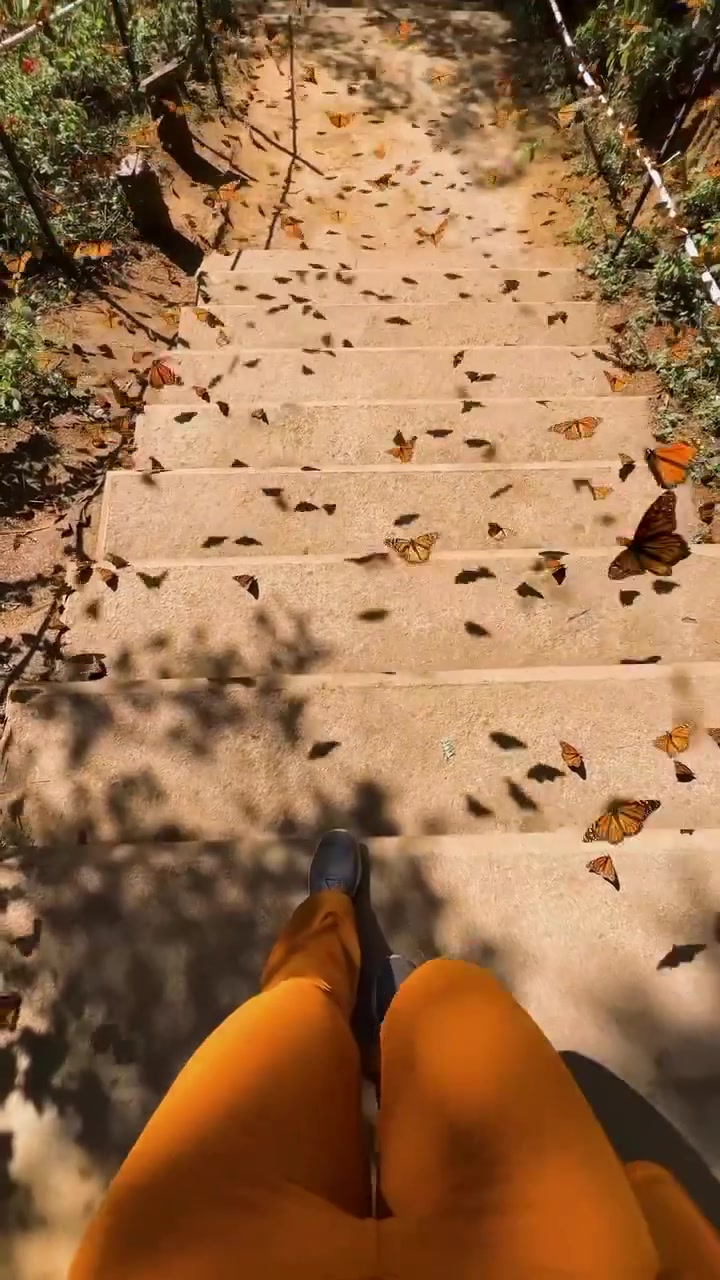
The Monarch Butterfly Biosphere Reserve in Mexico is filled with such a mesmerizing display of nature that in a world of cinematic wonders, the visitor feels "you bleed just to know you're alive." This UNESCO World Heritage site plays a crucial role in the annual migration of monarch butterflies, providing a haven for millions of these delicate creatures.
The Miraculous Monarchs' Winter Home
Monarch butterflies undertake one of the most remarkable journeys in the natural world. Their migration spans thousands of miles, from Canada and the United States to the mountains of Mexico. This journey is so demanding that the butterflies that arrive in Mexico are often the descendants of those that began the trip, with the life cycle seamlessly transitioning them through three-four generations in a single round-trip journey. The reserve serves as a safe haven and play sanctuary, amidst the dense forests of Michoacán. This reserve provides refuge from the harsh winters of the north, allowing the monarchs to cluster together in massive colonies. The Biosphere Reserve is a careful balance of conservation and accessibility. Several sites within the reserve allow visitors to experience the phenomenon firsthand, through guided tours and educational programs, including El Rosario and the Sierra Chincua sanctuary. All activities are designed to maintain the delicate ecosystem. Every year, monarch butterflies arrive from the cold of the north, descending upon the forest canopy and clustering into colonies. The scene becomes something out of a fairytale, as thousands of butterflies land on trees, filling the forest with an ethereal, fluttering dance.
The Monarch Forever in the Balance
The Monarch Butterfly Biosphere Reserve isn't just a spectacle but also a critical part of a natural cycle. The migration of these butterflies is an intricate process tied to the health of various ecosystems. However, this delicate balance faces significant threats. Deforestation in Mexico and the loss of milkweed plants, the monarch caterpillars' sole food source, in the United States and Canada, put this migration at risk. Climate change also affects the timing of the butterflies' arrival and the availability of food sources. The reserve is not just a sanctuary for monarchs but also for environmental awareness. The site encourages visitors to appreciate the interconnectedness of natural habitats. Conservation efforts highlight the importance of ecological preservation, showcasing how protecting one species can have broader environmental benefits. The reserve's success is a testament to the power of international cooperation in protecting migratory species.
Monumental Migration Stretches and Strains
The monarchs’ migration is an incredible feat of endurance and navigation. The journey south begins when temperatures drop. The butterflies travel as much as 80 miles a day, taking advantage of favorable winds. They navigate using a combination of air currents, the earth's magnetic field, and visual landmarks. The journey back is equally challenging, with monarchs taking advantage of air pressure systems and the direction of the wind. Arriving at the sanctuary during the colder months, the monarchs cluster to conserve body heat. This unique behavior protects them from freezing temperatures and conserves energy during the winter months. Most monarchs in the reserves will live several months, while those who die are replaced by offspring who will embark on the return journey.
The Human Touch: Visiting the Butterflies
Visitors to the sanctuary bring a unique perspective. The Monarch Butterfly Biosphere Reserve offers a unique opportunity to witness nature's grandeur. Alongside the butterflies, visitors experience the beauty of the mountains and the lush flora and fauna of the region. The reserve's staff manages visitor access to ensure minimal disruption to the butterflies. The sanctuary's careful management ensures the butterflies remain protected, while visitors gain an unforgettable experience. Each year offers a unique experience; the number of butterflies can vary due to changes in weather and habitat conditions. Therefore, planning a visit between November and March will provide the best chances to witness the migration in progress.
Butterflies and Beyond: The Reserve's Ecological Significance
The monarchs may be the stars of the show, but the reserve is home to a diverse range of species. The lush forests, mountains and valleys assemble a vibrant ecosystem. Local wildlife includes deer, badgers, coyotes, and a variety of bird species. The forest floors teem with mushrooms and ferns, while the streams and rivers provide water to migratory birds such as ducks geese, and herons.
Plotting Your Own Natural Sanctuary Experience
Exploring the Monarch Butterfly Biosphere Reserve is a unique experience, but many of the activities are seasonal. To make the most of your visit, consider the following tips.
- When and how to reach Plan your trip between November and March. You can book guided tours with professional guides from informal groups
- What you'll encounter While the butterflies are the main attraction, the reserve's biodiversity offers more than just monarchs. The surrounding region, untouched by urban development, provides a great opportunity to explore the flora and fauna of the mountains
- How to prepare The sanctuary is located in a mountainous region, choose a travel itinerary that allows for your comfort and safety. Pack layers and comfortable shoes.
- What to do Be a responsible tourist. Limit your movement, walk on designated paths, and use binoculars
The Ecological Bullseye of Michoacán
The Monarch Butterfly Biosphere Reserve stands as more than just a destination. It is a living embodiment of global conservation efforts, showcasing how nature can endure with adequate protection and human awareness. By supporting these efforts, every visitor becomes part of a larger mission to preserve the wonders of the natural world. The memory of fluttering monarchs clinging to trees will remain etched in the minds of all who witness the spectacle.
Questions readers ask
What exactly is the Monarch Butterfly Biosphere Reserve and where is it located?
The Monarch Butterfly Biosphere Reserve is a UNESCO World Heritage site in Mexico that serves as a winter sanctuary for millions of monarch butterflies. It's located in the forests of Michoacán, providing a safe haven for the butterflies to cluster and rest during their long migration from Canada and the United States.
How do monarch butterflies manage to migrate such vast distances?
Monarch butterflies undertake an incredible journey spanning thousands of miles, from Canada and the United States to Mexico. This journey is so demanding that the butterflies completing it are often the descendants of those that began the trip through three-four generations. They navigate using a combination of air currents, the earth's magnetic field, and visual landmarks.
Can visitors experience the monarch butterflies at the Biosphere Reserve and how?
Yes, visitors can experience the monarch butterflies firsthand through guided tours and educational programs at several sites within the reserve, including El Rosario and the Sierra Chincua sanctuary. All activities are designed to maintain the delicate ecosystem, allowing visitors to appreciate the phenomenon without causing harm.
What threats does the Monarch Butterfly Biosphere Reserve face?
The reserve faces several threats, including deforestation in Mexico and the loss of milkweed plants, which are essential for monarch caterpillars, in the United States and Canada. Additionally, climate change affects the timing of the butterflies' arrival and the availability of food sources, putting the migration at risk.
How does the reserve balance conservation and accessibility for visitors?
The Biosphere Reserve carefully balances conservation and accessibility by offering guided tours and educational programs that allow visitors to experience the monarch butterflies without disturbing the delicate ecosystem. This approach ensures that the natural wonder can be appreciated while also being protected.
What role does the Monarch Butterfly Biosphere Reserve play in environmental awareness?
The reserve plays a crucial role in raising environmental awareness by showcasing the interconnectedness of natural habitats and the importance of ecological preservation. It highlights how protecting one species, like the monarch butterfly, can have broader environmental benefits, making it a key site for conservation efforts and international cooperation.
Related deep dives
Similar reads based on topic and creator.



Recent articles
Fresh deep dives from the latest Reels we unpacked.



Comments
Be the first to comment.