The Monarchs' Incredible Marathon
Every autumn, millions of monarch butterflies embark on a staggering journey. They fly upwards of 4,000 kilometers from Canada to Mexico. The exact location is the same each time, with Monarchs descending onto the same branches as their ancestors did. What makes this feat incredible is that none of these specific butterflies has ever made the trip before. The monarch butterfly migration is like no other. It spans multiple generations. The butterflies heading south in the fall are not the same ones that will return north in the spring. They are born on the journey and live long enough only to complete a portion of the trip. Each generation, four live cycle in average, dies before reaching the destination. The return north is a different story, with a special "Methuselah" generation born at the end of summer. These butterflies are born to live eight months and make the entire trip south without having left the northern forests before.
The Mysteries of Navigation
The monarch migration is a marvel of endurance and navigation. The butterflies' ability to return to the same roosts year after year, often to the same branches, is extraordinary. But the butterfly's success in completing their migration isn't due to luck. As they soar, they're able to follow an invisible map.
Birth and death: The Monarch lifecycle
The monarch butterfly lifecycle is a cycle that lasts three generations. The first generation hatches from eggs and grows to maturity in the spring. This generation then flies to northern locations to lay eggs before dying. The second generation hatches from these eggs, wakes up and flies as far as it can before it too dies and gives birth and the third generation follows the same steps. But there is a fourth generation of butterflies that is born in late summer. These butterflies have a unique lifespan of about 8 months. They are known as the Methuselah generation. This generation begins its long journey to Mexico, where it will overwinter. These butterflies will live throughout the winter and make the journey back north in the spring. They are the ones who will lay eggs in the south and the cycle will begin again.
From tiny creatures to the global South: Reading magnetic fields
Scientists have long been intrigued by the monarchs' ability to navigate their way. The butterflies follow the sun, and are able to orient themselves even on cloudy days. They also have been shown to sense the Earth’s position from the magnetic field. The butterflies use a process called magnetoreception. This involves using tiny magnetic particles in their bodies to sense the Earth's magnetic field. Some studies suggest that this is how monarch butterflies are able to navigate the long distances they travel during their migration. They can even sense changes in the Earth's magnetic field, allowing them to adjust their flight path as they head south.
The Day of the Dead and a winged reunion
The monarchs also arrive in Mexico around the Day of the Dead celebration. For the people of these towns, the arrival of the butterflies is not a coincidence, but a spiritual experience. The butterflies are seen as the souls of their loved ones returning home. This coincides with the arrival of the Monarchs.
A Sovereign Sanctuary
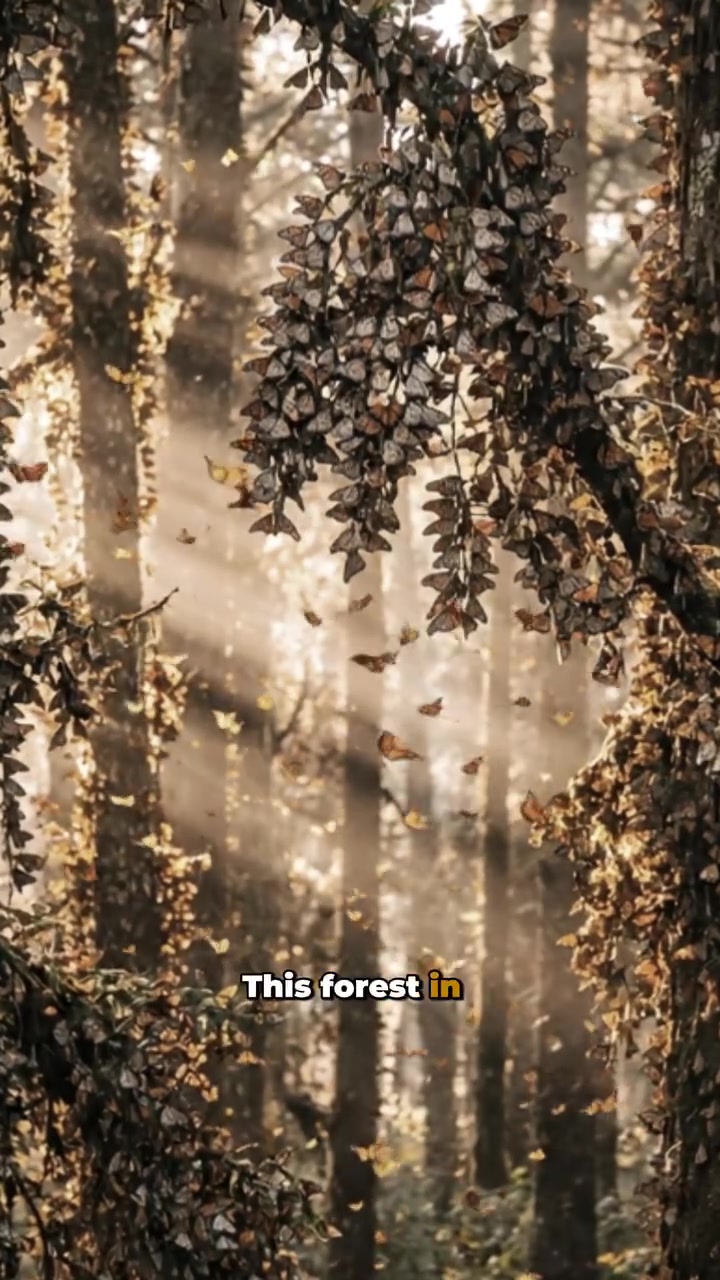
The monarch butterflies overwinter in a single mountain range in central Mexico. These forests are the only places where the butterflies can survive the winter. Each winter, the butterflies come to the same trees to roost. The forests are a haven for the monarchs, providing them with a safe place to rest and stay warm. The butterflies cluster together in large groups on the trees, forming a thick, orange blanket on the branches. Within these sheltering forests, the Monarchs may stay anywhere from a few weeks to several months. Depending on the weather, but typically, they will leave the overwintering sites around March, as the temperatures begin to warm up.
The Journey Back
These forests are the only ones where the butterflies can survive the winter. Each winter, the butterflies return to the same trees to roost. The forests provide the butterflies with a safe place to rest and stay warm. The butterflies cluster together in large groups on the trees, forming a thick, orange blanket on the branches. Within these sheltering forests, the Monarchs may stay anywhere from a few weeks to several months. Depending on the weather, but typically, they will leave the overwintering sites around March, as the temperatures begin to warm up.
Marveling at Migration
For those who want to experience the monarch migration, timing and location are key. Visit Raised awareness of monarch migration. Many people want to help protect the monarch butterfly and their habitats. By learning more about the migration and how the butterflies navigate, people can help raise awareness of the importance of protecting these habitats
- Plan Ahead. It may take three to four generations to complete the journey. The ones flying up live only a few weeks, born on the way, breeding, and dying.
- Find Overwintering Sites. The monarchs overwinter in a single mountain range in central Mexico. These forests are the only places where the butterflies can survive the winter. Tourists should plan to visit these areas during the winter months.
- Experience the Magic. Plant native plants in your backyard to provide food and habitat for monarchs. Create a pollinator garden to support the entire lifecycle of the butterfly.
- Start Conservation Efforts. Become a monarch citizen scientist and contribute to research on the migration. You can report sightings to the Journey North program to help track the migration.
- Journey North. Monarch butterflies travel over 4,000 kilometers from the north to Mexico. The journey is a marvel of endurance and navigation.
The Monarchs' Future
The monarch butterfly migration is a natural phenomenon that has captivated scientists and nature enthusiasts alike. As the world changes, the monarch's future is uncertain. However, by learning more about the migration and how the butterflies navigate, we can help protect these incredible creatures and their habitats.
Questions readers ask
How do monarch butterflies navigate their 4,000-kilometer journey to Mexico if they have never made the trip before?
The monarch butterflies use a combination of celestial cues and magnetoreception. They follow the sun for direction and use tiny magnetic particles in their bodies to sense the Earth's magnetic field, which helps them stay on course. This ability allows them to return to the same roosts and branches year after year.
Why is the Methuselah generation of monarch butterflies so special?
The Methuselah generation is unique because it lives much longer than the other three generations, up to eight months. This extended lifespan allows them to make the entire journey to Mexico and back north in the spring. They are the only generation that completes the full migration.
How do monarch butterflies know when to start their migration?
The monarch butterflies' migration is triggered by changes in daylight and temperature. As the days grow shorter and cooler in the fall, the butterflies begin their journey south. This is a natural response to the changing seasons and ensures they arrive in Mexico around the Day of the Dead celebration.
Can monarch butterflies navigate on cloudy days or at night?
Monarch butterflies primarily navigate by the sun, but they can also sense the Earth's magnetic field. This means they can orient themselves on cloudy days and even during nighttime, although they typically rest and fly during the day.
What happens to the monarch butterflies during the winter in Mexico?
During the winter, the monarch butterflies enter a state of dormancy, clustering together in trees to conserve energy. They remain in this state until the warmer temperatures of spring arrive, prompting them to begin their journey north. The Methuselah generation will live throughout the winter and make the journey back north in the spring. They are the ones who will lay eggs in the south and the cycle will begin again.
Why do monarch butterflies return to the same roosts and branches each year?
The precise reasons are not fully understood, but it is believed that the monarchs' navigation system, which relies on magnetic fields and celestial cues, allows them to return to the same locations. This consistency may also be due to genetic programming passed down through generations, ensuring they return to familiar and safe environments.
How do the monarch butterflies' migration patterns impact the local communities in Mexico?
The arrival of monarch butterflies in Mexico coincides with the Day of the Dead celebration, and it is seen as a spiritual experience by the local communities. These butterflies are believed to represent the souls of ancestors, making their arrival a meaningful and revered event for the people of these towns.
Related deep dives
Similar reads based on topic and creator.

Recent articles
Fresh deep dives from the latest Reels we unpacked.




Comments
Be the first to comment.