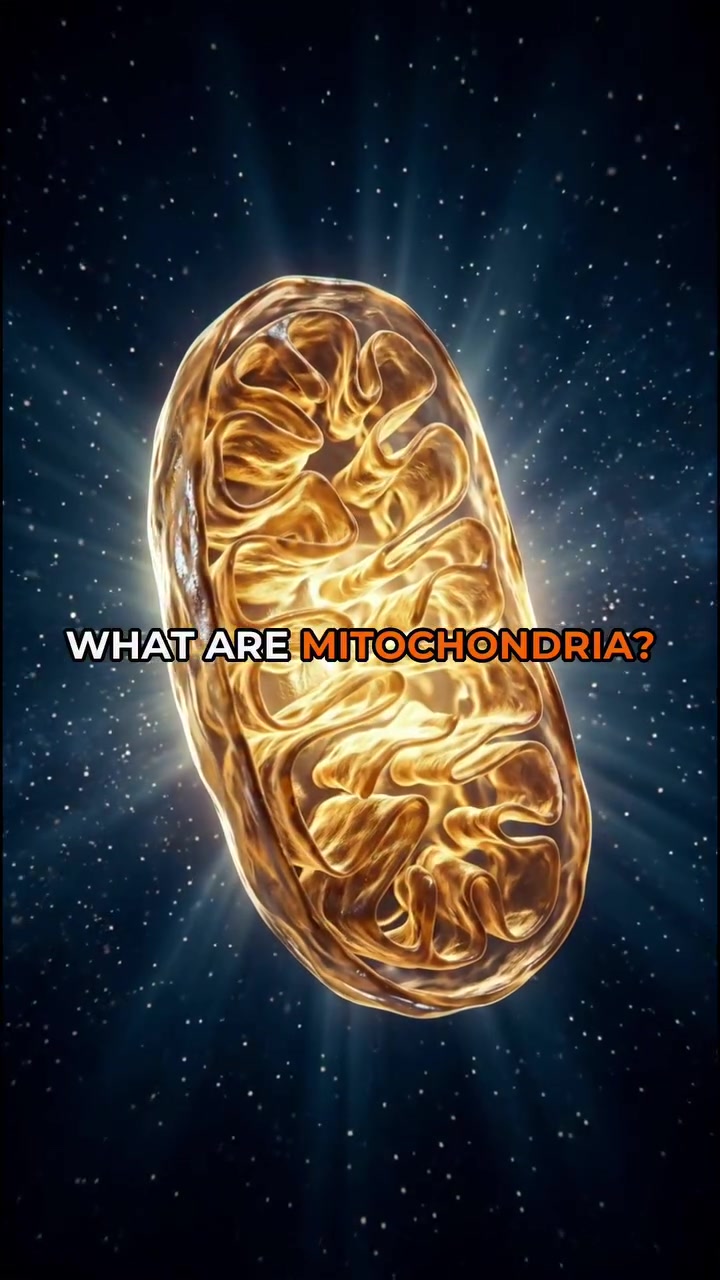
Mitochondria: The Cell’s Energy Factories
Mitochondria are tiny power plants inside your cells, generating the energy your body needs to stay alive. Each of your cells contains thousands of these miniature organelles churning out ATP from the food you eat and the oxygen you breathe. Mitochondria convert fuel from the food you consume and the air you inhale into ATP, a molecule that provides energy. They are unique in their ability to read what's happening in the cell, deciding whether the cell repairs itself or shuts down; they even carry their own DNA — a chemical blueprint — inherited solely from the mother. Indeed, life’s complexity is a result of mitochondria.
Life's Powerhouses: From Bacteria to Behemoths
Mitochondria each have a double-membrane structure — a trait that sets them apart from other structures within the cell. Complex life could not exist without them. They handle critical roles, such as regulating the cell’s life and death. They are the cell’s master of ATP production, these structures are the reason for the transition from unicellular to multicellular organisms. They generate energy for the cell through cellular respiration.
How mitochondria make ATP
Mitochondria make energy. Food and oxygen go in, but energy is produced through something called ATP. The need for ATP explains why complex life exists. Your body's ability to repair itself or even shut down is thanks to mitochondria: they read your cell and decide. Mitochondria are also known as decision makers. They read the cell and determine its fate. Because mitochondria carry their own DNA, separate from the rest of the body, they did not originally belong to your body.
Mitochondria: Independent and Essential
Mitochondria have a complex lineage: bacteria that were swallowed. Mitochondria didn’t start as part of the cell—they were once free-living bacteria swallowed by a cell about a billion and a half years ago and simply stayed. The genetic code of mitochondria is inherited exclusively from the mother, explaining why complex life exists.
The Mitochondrial Genome
Living beings are dependent on mitochondria, which are the cell’s energy factories. Mitochondrial DNA is passed down from mother to offspring, unique and separate from nuclear DNA. The unique trait of mitochondria — having their own DNA — means they aren’t like other cell organelles. They have a double-membrane structure with an inner matrix and cristae. Mitochondria’s DNA is circular, unlike the linear structure of chromosomes. Any changes or errors in mitochondrial DNA could disrupt energy production and ATP levels, leading to diseases.
Why consider the possibilities in science?
The unique choices in mitochondrial health
Mitochondria need nourishment: if the energy factories are fed, they feed power back to the body. Mitochondria are involved in the production of ATP, a molecule that provides the energy needed for cellular activities. Mitochondria also play a role in regulating cellular processes, including cell signaling, differentiation, and growth. The mitochondria choice allows for a person to evaluate the energy production in the cells, looking at the dietary, exercise, and lifestyle factors. Mitochondrial health can be evaluated through various methods, including blood tests, imaging, and biopsy.
New ideas for energy
Energy production: Mitochondria produce ATP, a molecule that provides the energy needed for cellular activities. They also help regulate metabolism, cell signaling, and cellular growth. Healthy mitochondria produce ATP, which is essential for cellular health. A mitochondrion converts food and oxygen into energy. It’s an energy converter, and also plays a critical role in cellular division. Mitochondria also play a role in regulating cellular processes, not just the production of ATP. They are involved in cellular respiration, which uses oxygen to convert nutrients into energy. In this process, the cell’s waste product is carbon dioxide.
Mitochondria Decision
Mitochondria have unique and complex roles: they are involved in cellular activities, including energy production, cell signaling, and growth. Mitochondria also regulate the process of cellular respiration within those cells. Decisions, decisions: They decide whether a cell repairs itself or shuts down. They also decide the fate of the cell by regulating its life and death.
Questions readers ask
How do mitochondria convert food and oxygen into energy?
Mitochondria convert food and oxygen into energy through a process called cellular respiration. They take in fuel from the food you eat and the air you breathe and transform it into ATP, a molecule that powers your cells. This process involves a series of chemical reactions that occur within the mitochondria's double-membrane structure.
What makes mitochondria unique compared to other cell organelles?
Mitochondria are unique because they have their own DNA, separate from the nuclear DNA found in the rest of the cell. This DNA is circular and inherited exclusively from the mother. Additionally, mitochondria have a double-membrane structure with an inner matrix and cristae, which is distinct from other organelles.
How did mitochondria originate and become part of the cell?
Mitochondria originated from bacteria that were engulfed by a larger cell about 1.5 billion years ago. Instead of being digested, these bacteria formed a symbiotic relationship with the host cell, eventually evolving into the mitochondria we know today. This evolutionary event is believed to have been crucial for the development of complex life forms.
What role do mitochondria play in determining a cell's fate?
Mitochondria act as decision-makers within the cell. They can read the cell's condition and decide whether the cell should repair itself or undergo programmed cell death. This ability is crucial for maintaining the health and functionality of multicellular organisms, including humans.
Can issues with mitochondrial DNA lead to diseases, and if so, what kind?
Yes, any changes or errors in mitochondrial DNA can disrupt energy production and ATP levels, leading to a variety of diseases. These can include mitochondrial diseases, which affect energy metabolism and can cause symptoms such as muscle weakness, neurological problems, and even organ failure. Some examples include Leber's hereditary optic neuropathy and mitochondrial encephalomyopathy, lactic acidosis, and stroke-like episodes (MELAS).
Related deep dives
Similar reads based on topic and creator.




Recent articles
Fresh deep dives from the latest Reels we unpacked.



Comments
Be the first to comment.