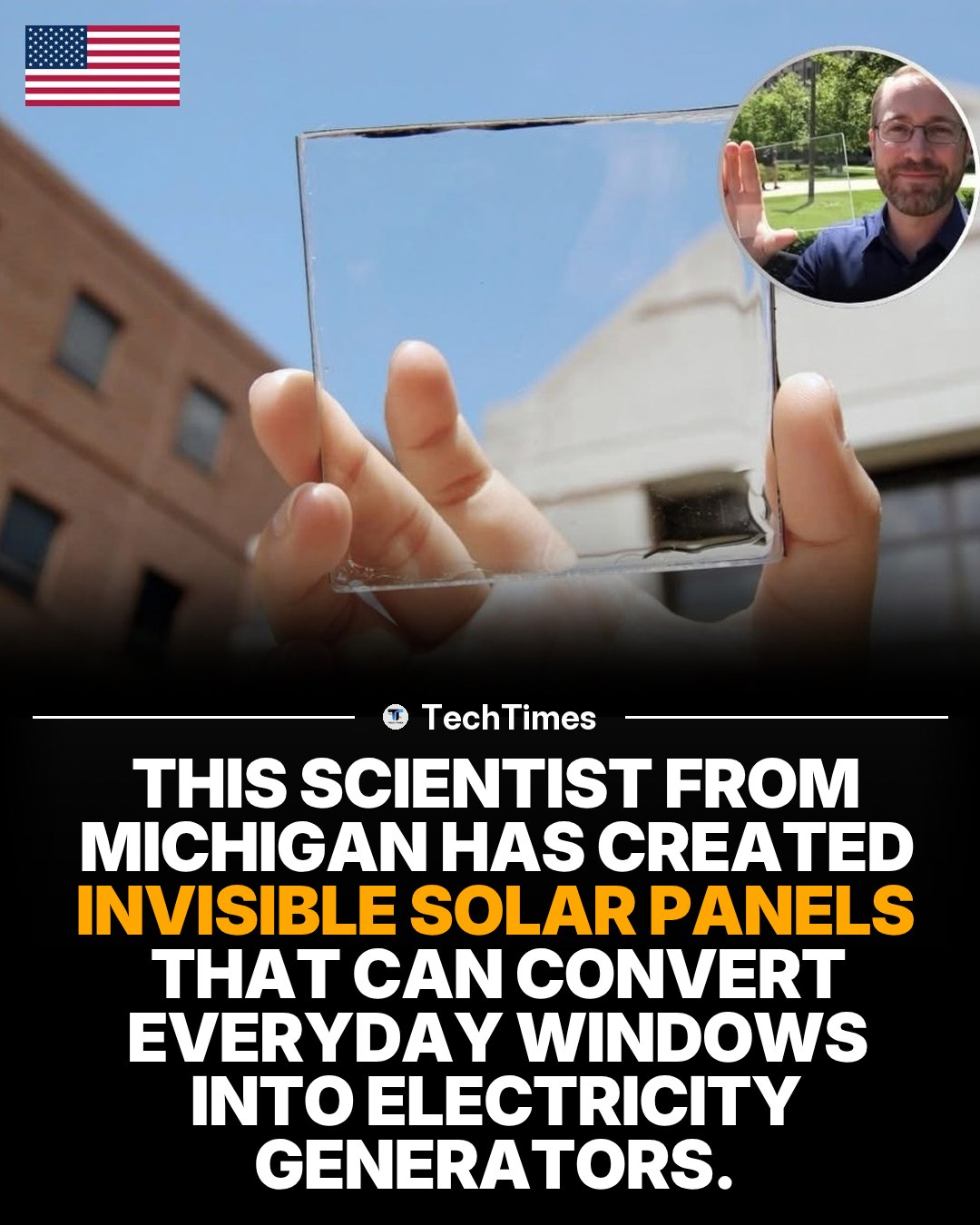
A scientist from Michigan has developed an innovative solution to the energy crisis by creating solar panels. The panels are completely transparent and can be seamlessly integrated into windows. This technology has the potential to transform everyday windows into significant sources of electricity. The breakthrough addresses urban energy generation.
Into the Power Window
Transparent solar panels are sheets of see-through material that harness the power of the sun. These panels can replace windows, allowing them to produce energy. The technology includes special organic dye molecules. These molecules absorb particular wavelengths of light to convert energy. It does not interfere with the windows appearing transparent, not disturbing the building's design. It's the power of solar energy. The energy efficiency of these panels is typically lower than traditional panels. This is due to lowering their transparency, though there have been improvements. They maintain more than 70 percent of their efficiency. This is achieved by altering the molecular structure of the panels and the type of materials used. Although the technology is less efficient, it's advantageous in urban spaces since the space required to harness solar energy is less.
Blending clean energy and cityscapes
Urban spaces have a mix of high energy consumption and limited space to install traditional solar panels. These transparent solar panels address the problem. They are also an alternative to the solar panels in rural areas requiring remote installation. This type of technology is the beginning of imagining buildings and windows as energy providers. This approach is part of a broader trend of integrating renewable energy sources into daily life. This integration of clean energy is part of a movement that will have a significant impact on urban energy consumption. This is the future of renewable energy. It will be integrated into urban infrastructure over time. It will influence architecture and design. The trend aligns with urban areas engaging in net-zero emissions. This trend started this year with countries only increasing their efforts to meet the Paris Agreement. This includes using renewable energy sources. It also includes using alternative technologies.
Light-Capturing Molecules
The unique feature of transparent solar panels is the organic dye molecules. They absorb infrared and ultraviolet light wavelengths. This process allows energy to be converted without disrupting the visible light spectrum. The molecules absorb light passing through the transparent material. The way the molecules are incorporated into the transparent material is what defines the efficiency of the technology. This includes stability, efficiency, and sustainability. Advancements in technology involve altering the molecular structure. This alters the molecules' capacity to absorb light and convert it into energy. The right choice of materials enhances the efficiency of the technology.
Integration Feasibility
The ease of integration of transparent solar panels into existing building structures is a significant advantage. This is because it allows for the transformation of windowed infrastructure into energy sources. The way the panels are designed allows them to be used in various urban spaces. These include windows, skyscrapers, and residential spaces. It includes the integration of the panels into the design of the buildings. One of the challenges of integrating these panels is ensuring their efficiency. It is essential to ensure that the installation does not negatively affect the building's design or functionality. This means the panels must be seamlessly integrated without compromising the structural integrity of the building.
The Art of Installation
The installation of these transparent solar panels involves a series of steps. These ensure that the solar panels are seamlessly integrated into the windowed infrastructure. The first step involves the selection of the right materials. These materials must ensure the efficiency of the panels. The preparation of the transparent material involves ensuring that it is ready for the installation process. The installation process involves ensuring that the panels are securely installed.
Glazing the Future
Modern-day solar panels are made for efficiency and durability. But they are more difficult to integrate into buildings. These transparent solar panels are designed with this consideration. They ensure seamless integration into a building’s design while generating electricity. This makes the panels adaptable and versatile. They can be used in more diverse spaces, including residential buildings. The most significant advantage of these panels is their potential to transform windows into energy generators. Windows are ubiquitous in buildings. They serve as natural sources of light. But they can also serve as energy sources if integrated with transparent solar panels. This innovation makes harnessing solar energy easier. The windows begin to double as solar panels. This is another step towards integrating renewable energy into urban infrastructure.
Questions readers ask
How do these transparent solar panels actually work? I can't visualize it.
These panels use special organic dye molecules that absorb specific light wavelengths — like infrared and ultraviolet — and convert them into energy. The visible light spectrum remains unharmed, so the windows stay transparent. The technology is all about harnessing the power of the sun without compromising the aesthetics of buildings.
Are these panels as efficient as traditional solar panels?
Not quite. Traditional solar panels are generally more efficient, but these transparent ones are designed to work in urban spaces where space is limited. They maintain more than 70 percent of their efficiency by altering their molecular structure and the materials used. This makes them a practical option for city environments.
Can these panels be installed in any building, or are there specific requirements?
These transparent solar panels can be integrated into any building with windows. They replace traditional window panes, making the installation process relatively straightforward. This ease of integration is a major advantage, as it doesn't require significant structural changes to existing buildings.
How do these panels fit into the broader trend of renewable energy in urban areas?
These panels are part of a growing movement to integrate renewable energy sources into urban infrastructure. By turning windows into energy providers, they help reduce the reliance on traditional energy sources and contribute to net-zero emissions goals. This aligns with global efforts to meet the Paris Agreement and increase the use of renewable energy.
What makes the organic dye molecules so special in this technology?
The organic dye molecules are crucial because they absorb specific wavelengths of light—like infrared and ultraviolet—without affecting the visible light spectrum. This allows the windows to remain transparent while still generating energy. The efficiency and stability of these molecules are key factors in the overall performance of the technology.
Related deep dives
Similar reads based on topic and creator.



Recent articles
Fresh deep dives from the latest Reels we unpacked.




Comments
Be the first to comment.