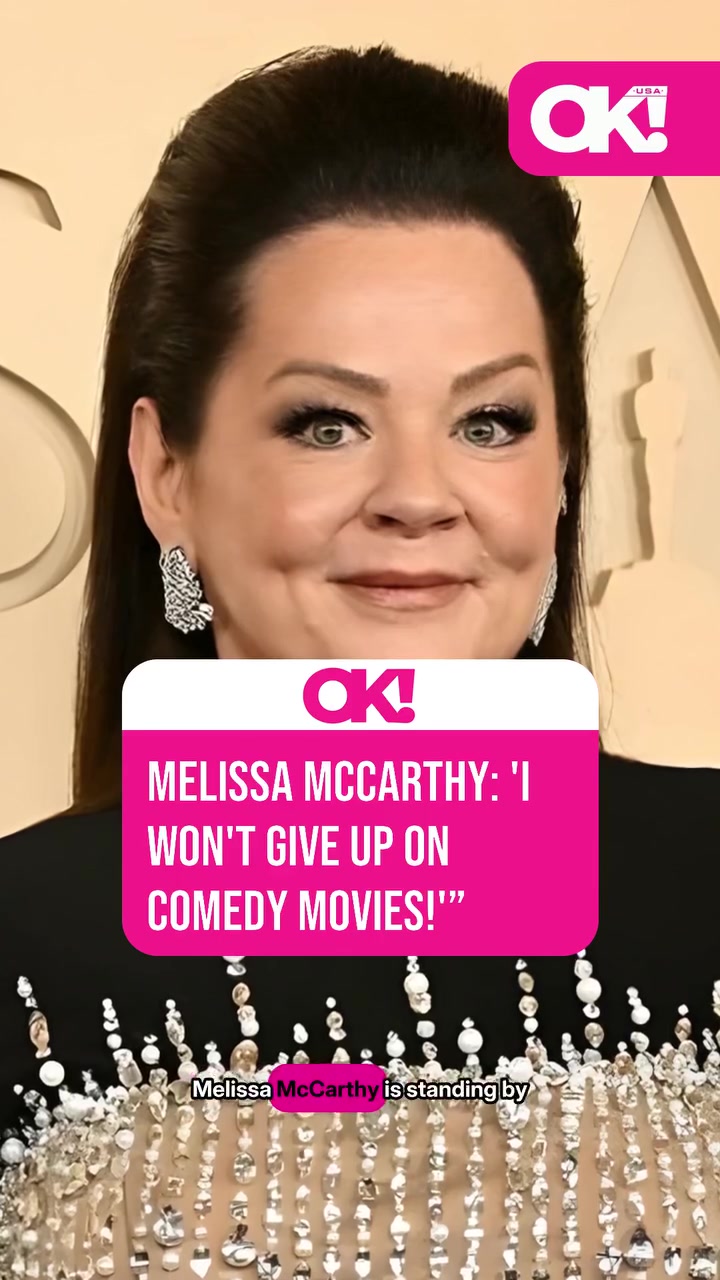
What is standing by comedy? It's a plea from Melissa McCarthy.
She believes in comedy as something essential, something akin to music for the soul, a feeling that not everyone can create. For McCarthy, comedy isn't merely a genre, but a living art. She described it as a feeling, something the audience needs — not Hollywood. Comedy, to her, is not just a product you can analyze by the numbers. She believes in the power of comedy to resonate with the audience like music, "a feeling. Not everybody can do the same thing." But, Hollywood, a vast and complex system, often views it differently. McCarthy pushes back against an industry narrative — the persistent saying that "comedies don’t work." To her, this is a false narrative propagated by the business model. She pointedly stated, "They say comedies don’t work, and I’m like, no, bad comedies don’t work. And I won’t take the fall for that." She acknowledges that the art of comedy is losing its respectability and is being traded for business deals.
Comedy's place in Hollywood
It sits in precarious place inside an equation with three variables: Hollywood, the audience, and ratings. Hollywood, with its business model-driven mindset, often overlooks the uniqueness of comedies. Studios make these films not for the love of laughter, but for the potential of it. Thus, there's always a lingering hesitation around the genre, a business-minded question of whether people will pay to watch a comedy. Melissa McCarthy understands that the Hollywood business model can sometimes be dismissive of comedy as a genre. This is partly because comedies can be less predictable in terms of box office performance. Budget and stars matter, but the bigger issue is the marketing plan. Comedy is often compared to a kid’s playlist of songs — a mix of already popular hits and some new songs to try. But instead of music, it is laughter and words shared by experienced comedians for the audience to enjoy, that Hollywood tries, and fails, to keep track of. It's easy to see why Hollywood might write comedies off. Many comedies falter — not just because the audience wasn't interested, but sometimes because Hollywood doesn't know what kind of comedies to make, who they're for, and how to market them, much less calculate their success.
Where McCarthy sees the genre
Hollywood's business model
Melissa's criticism isn't unfounded — Hollywood's business model is notorious for focusing on big projects with mass appeal and big budgets. Comedy movies, however, often defy this norm. They come with increased creative freedom, smaller budgets, and unpredictable box office returns. Getting a green light for a comedy becomes an uphill battle in this environment. The problem emerges from the industry's focus on predictability. Many Hollywood executives are expected to deliver blockbusters, and comedies fall outside that comfort zone. Despite being a trusted genre for younger viewers, Hollywood is unwilling to take the risk.
The audience
But the audience needs comedy — that's the core of McCarthy's argument. Comedy offers relief from the daily grind, offering solace and laughter in an increasingly stressful world. McCarthy isn't alone in this belief. A look at Hollywood's history shows countless comedies beloved by fans and critics, many of which were box office hits. Comedy provides laughter, fun, and pure joy, something the audience needs. That is the core of McCarthy's argument.
Creative Difference
McCarthy’s stance sheds light on the creative liberties comedy movies offer. Unlike large-scale productions, comedy films often allow actors like McCarthy to experiment and bring unique ideas to life. This creative difference is both the genre's strength and its Achilles' heel. Blockbuster productions often rely on proven formulas, which can make them predictable, which has further alienated the audience. Melissa McCarthy believes that the need for comedy is essential. Comedy lives on the screen—it’s a feeling that is indispensable to both the actors and the audience. This is precisely what makes comedy an integral part of the entertainment industry. But the audience often stays away, lacking trust in what exactly their needs are, leaving it to actors like Melissa McCarthy to defend the genre.
Hollywood's narrative
Hollywood often produces such narratives, trying to force comedies into a box that fits the required narrative, often at the cost of the actual substance of humor. Melissa has had to fight against this narrative. But she’s been unwavering in her defense of comedy, emphasizing it as a “feeling,” akin to music. The audience understands it and loves it, but Hollywood need to understand how it works. This knowledge of humor sets her apart as an artist who understands the value of laughter and its importance in the human experience. She doesn’t see humor as someone would see a project, but as a personal feeling that resonates with the audience — and she believes she can keep this going. That feeling comes from the actors who make people laugh, make them feel better, a unique job with a lot of risk. At times, the merits of comedy are overlooked, but the impact comedy movies have on people is never forgotten.
Who might buy a ticket?
Impact of cast and budget
Melissa McCarthy has consistently delivered box office hits, thanks to her comedic timing and rapport with audiences. Roles like her performance in Bridesmaids and *Mike & Molly’*s Molly Flynn, and publicity stunts like her 2020 Publicity Tour of "Nine to Five’’, showed the impact she can have. Her involvement can bring a comedy an instant box office boost. The problem isn’t the cast — it's the industry's reluctance to take a risk on comedies. The same is true of the budget. Smaller comedies with smaller budgets can still make a significant impact, but Hollywood's reluctance to gamble on comedies is a persistent problem. Hollywood must acknowledge and understand these factors and how they've shaped the way comedies are produced.
Resistance of audiences
There’s also a cultural shift in comedy that’s happened in recent years. The genre's success isn’t entirely driven by Hollywood's production decisions: audiences play a crucial role, too. The audience drives the success of these movies, and their preferences evolve with time. Today, audiences crave diverse content and have a keen eye for authenticity. Comedies that fall flat often lack human relatability, and they miss the mark because of the rigidity with which they are produced. The industry needs to recognize this reality.
McCarthy's Take On Red Carpet Interviews
You shouldn’t go to Hollywood's red carpet interviews to find discussions about comedy. The red carpet is a place for business, for hyping movies, and for posing questions for the public to remember and discuss. But Melissa McCarthy has found a way to make her interviews about comedy — not just what she's promoting, but the genre itself. The red carpet experience typically involves repurposing popular storylines and being presentable for the cameras. McCarthy approaches the situation differently, using it to express her passion for comedy. There's often little room for truth in these environments, but McCarthy brings her truth to the forefront. She refuses to put on a fake smile or engage in canned dialogue. She uses these moments to discuss her passion and commitment to comedy.
What kind of comedies will make people laugh?
Hollywood needs to start by placing the audience at the forefront of its decisions. It’s about the heart and not the box office outcomes. It’s about what makes the audience laugh and not about producing another predictable film. The audience values laughter. They need it as a therapeutic way to cope with the daily chaos.
Budgets
There are no rules in comedy. You can make a good comedy on a budget. It all depends on the script, casting, and marketing. Comedies don't always need a huge budget to succeed.
A nod to the audience
But the audience deserves better than comedies. Comedy is about understanding the audience and delivering to them what they want. Put the audience in the focus and give them what they need. And then you can challenge them. Comedies are more than just a means of entertainment. They are the audience’s way of unwinding and relaxing. This makes comedy a very special genre. It’s about understanding the audience and delivering to them what they want. But Hollywood often overlooks these nuances. The industry needs to realise that good comedy films enrich the life of a viewer.
Questions readers ask
What does Melissa McCarthy mean when she says comedy is a 'living art'?
McCarthy believes that comedy is not just a genre of movies, but an essential, living art form that resonates with audiences on an emotional level. She compares it to music, suggesting that it's a unique feeling that not everyone can create or replicate.
How does Hollywood's business model impact comedy movies?
Hollywood's focus on big-budget, mass-appeal projects often sidelines comedy films. Comedies typically have smaller budgets, unpredictable box office returns, and require more creative freedom, making them riskier investments in the eyes of executives.
Why does Melissa McCarthy think comedies are misunderstood in Hollywood?
She argues that Hollywood often misunderstands comedies because they can't be easily analyzed by numbers or box office performance. She believes that the industry dismisses comedies because they aren't as predictable as other genres, and their success isn't as easily calculated.
What does McCarthy think about the idea that 'comedies don’t work'?
McCarthy disputes this idea, arguing that it's a false narrative. She believes that bad comedies don't work, but well-crafted ones do. She refuses to take the fall for failures in the genre, emphasizing that Hollywood should focus on creating quality comedies that resonate with audiences.
How does McCarthy view the role of comedy in people's lives?
McCarthy sees comedy as an essential part of people's lives, offering relief from daily stress and providing solace and laughter. She believes that audiences need comedy, and it's an important aspect of entertainment that Hollywood should prioritize more.
How does Hollywood's marketing strategy affect comedy movies?
Hollywood often struggles with marketing comedy movies effectively. This is because comedies can be less predictable in terms of box office performance, and the industry doesn't always know how to target the right audience or calculate success for these films.
Related deep dives
Similar reads based on topic and creator.




Recent articles
Fresh deep dives from the latest Reels we unpacked.




Comments
Be the first to comment.