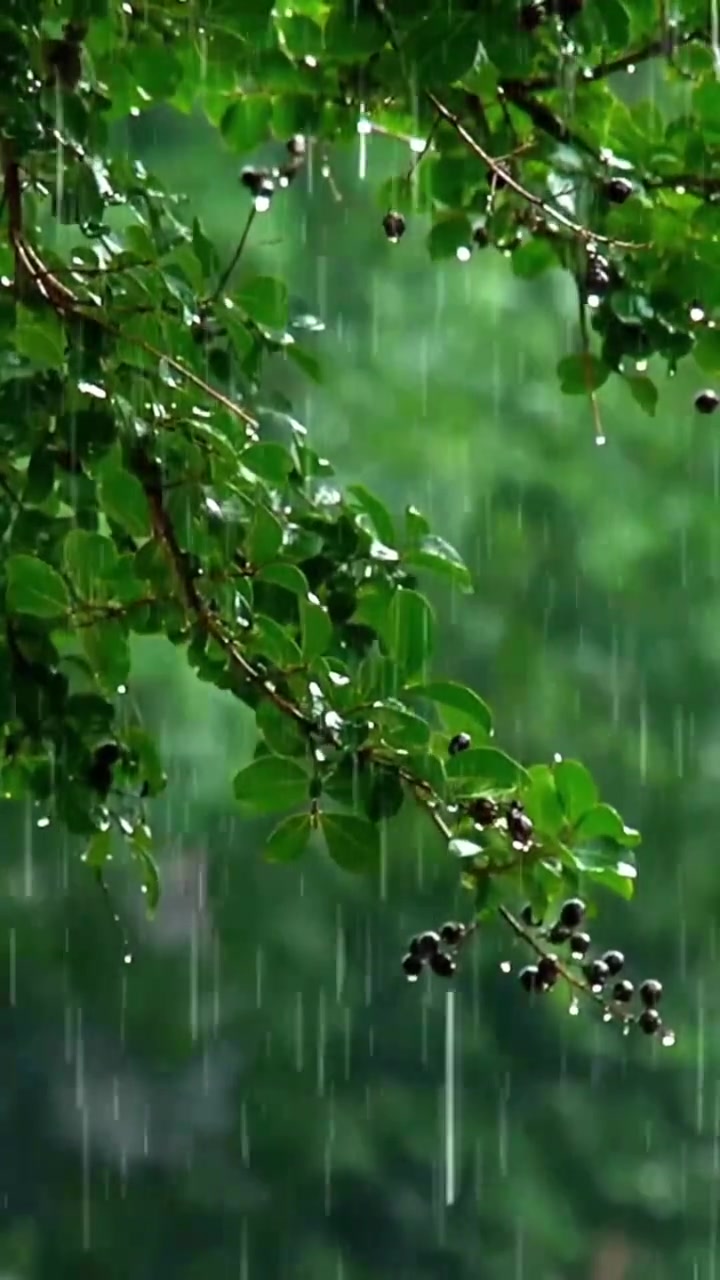
The Droplet Deluge of Meghalaya
Imagine a place where, on a single day, more rain might fall than the average annual rainfall in some places. This happens in a small village in Meghalayas Indian state which receives over 11,800 millimeters of rainfall every year, or almost 12 meters of rain. To visualize this, it's roughly 32 millimeters of rain falling daily. During the monsoon, daily downpours exceed 300 millimetres.
Rainfall on record
Cherrapunji and Mawsynram are two villages in Meghalaya that compete for the title of wettest place on Earth. They are both situated on the Khasi Hills. Mawsynram has a higher average annual rainfall, however, Cherrapunji holds records for the most rain in a calendar month and the single 48-hour period. Holding these records means that these villages have extremely high levels of precipitation. Both exceed 11,000 mm of rain per year. A significant amount of this falls during the monsoon when they receive roughly 30% of their annual rainfall. The monsoon season typically begins in May, with the heaviest rainfall between June and August.
The difference a few millimetres can make
Precipitation far beyond typical averages in Cherrapunji and Mawsynram. The wet season poses a number of challenges including flooding, erosion, and increased moisture levels. The sheer amount of rain leads to environmental and infrastructure issues, like landslides and damaged homes. Deforestation plays a major role in exacerbating these problems.
Rainfall's impact on these mountain villages
These factors, along with deforestation, contribute to environmental challenges and influence daily life. For example, the villages often lose electricity due to damaged power lines, and roads can be impassable during heavy rainfall. Deforestation has intensified these problems, increasing the risk of landslides and other natural disasters. The social landscape is deeply affected by the sheer volume of rain. Health concerns are heightened by the growth of mosquitoes, leading to an increase in mosquito-borne illnesses. Rural villages might have fewer healthcare resources, which makes it even harder to manage. The villages have also experienced significant population exodus due to these factors.
The Monsoon-Evolution Connection
Monsoon winds have changed over time, influenced by global climate change. This is just one factor contributing to the increased rainfall in Meghalaya. The excessive rainfall also affects the global climate change, leading to a higher rate of temperature rise in the region. It is certainly a circle of impacts.
Comparing the Wettest and Driest
It's impossible to gorge on the wettest place on the planet without considering the driest. The Atacama Desert in Chile averages less than 1 millimetre of rain per year, while another notable arid desert is the Sahara Desert in Africa. The stark contrast between these places highlights the extremes of our planet's water conditions.
Mitigation Strategies
Mawsynram and Cherrapunji, while struggling with the sheer volume of rain, have been implementing measures to cope. These activities increase the soil's capacity to absorb water, reduce the risk of landslides, and improve the environment. This is beneficial for the local people, as it can help reduce the damage from flooding and landslides. **Both villages are also working on ways to increase tourism to improve their economies.
Visit with an eye for safety
Visiting the wettest place on Earth is an adventure with specific considerations. The experience varies widely with the seasons and weather patterns. January to April and October to December tend to be the optimal months to visit, due to less rainfall. Some tour companies offer experiences to visit during the monsoon season. If this is something you consider, be sure the precautions and plans are safe. These include traveling with a knowledgeable local guide, wearing appropriate clothing, and carrying waterproof gear. VIsitors should also be aware of any safety measures that might be necessary, such as responding to potential landslides and being prepared to handle emergency situations.
Questions readers ask
What makes Meghalaya one of the wettest places on Earth?
Meghalaya's extreme rainfall is due to its geographical location and monsoon patterns. Villages like Cherrapunji and Mawsynram receive nearly 12 meters of rain annually, with daily downpours exceeding 300 millimeters during the monsoon season. This intense rainfall is influenced by the region's topography and the shifting monsoon winds, which have been affected by global climate change.
How does the heavy rainfall in Meghalaya affect daily life?
The excessive rainfall in Meghalaya poses significant challenges to daily life. It leads to frequent power outages, impassable roads, and increased health risks from mosquito-borne illnesses. The sheer volume of rain also contributes to environmental issues like landslides and erosion, which can damage homes and infrastructure. The villages often experience a population exodus due to these hardships.
What role does deforestation play in the problems faced by these villages?
Deforestation significantly exacerbates the problems caused by heavy rainfall in Meghalaya. It increases the risk of landslides and other natural disasters by reducing the soil's ability to absorb water. Deforestation also contributes to environmental degradation, making it harder for the villages to cope with the challenges posed by the intense monsoon season.
How do Cherrapunji and Mawsynram compare in terms of rainfall records?
While Mawsynram has a higher average annual rainfall, Cherrapunji holds records for the most rain in a calendar month and the single 48-hour period. Both villages exceed 11,000 mm of rain per year, with a significant portion falling during the monsoon season from June to August. The intense rainfall in these villages has led to both being recognized as some of the wettest places on Earth.
What mitigation strategies are being implemented in these villages?
The villages of Mawsynram and Cherrapunji have been implementing measures to cope with the heavy rainfall. This includes activities that increase the soil's capacity to absorb water, which can help reduce the impact of landslides and other natural disasters. These strategies are crucial for mitigating the environmental and infrastructural challenges posed by the extreme rainfall.
Related deep dives
Similar reads based on topic and creator.




Recent articles
Fresh deep dives from the latest Reels we unpacked.



Comments
Be the first to comment.