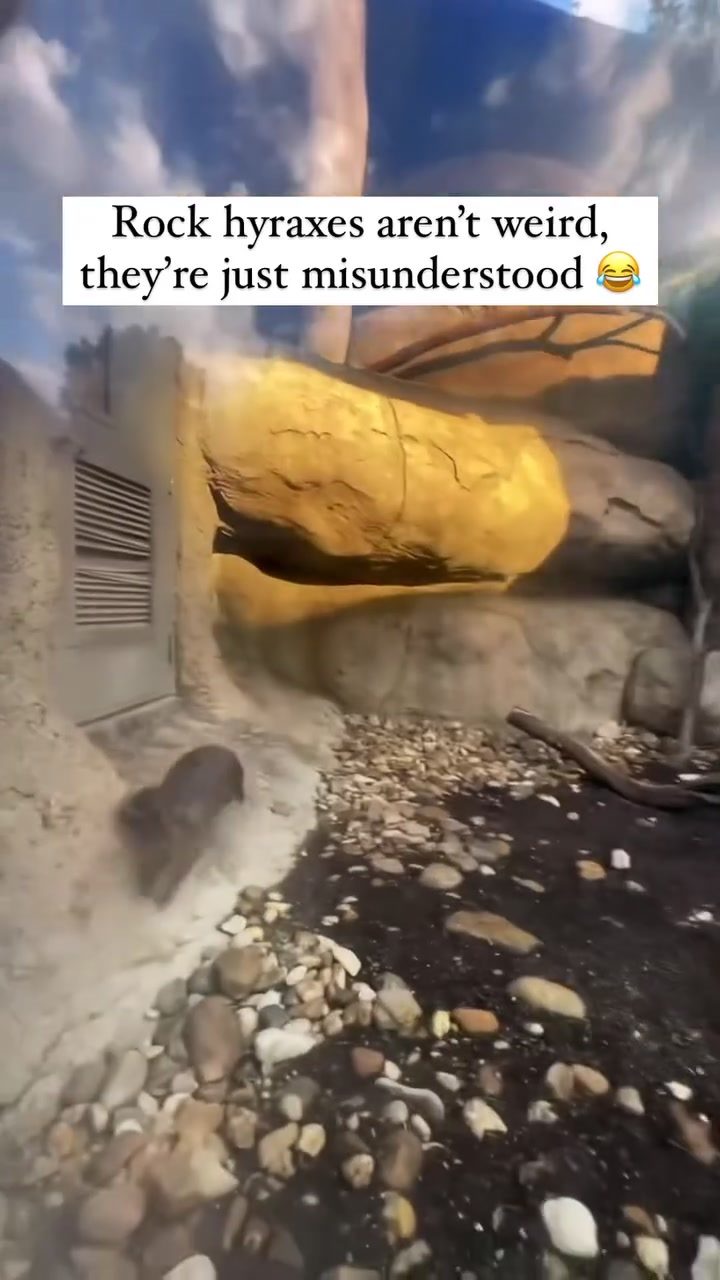
Rock Hyraxes: Unusual but Misunderstood
Rock hyraxes are often regarded as unusual animals. They might seem strange at first glance, but it's important to understand that their unique characteristics are often misunderstood. Let's dive into the fascinating world of rock hyraxes to understand why they are more than just their peculiar habits.
Context: Why This Matters
Rock hyraxes are small, herbivorous mammals native to Africa and the Middle East. They are often seen in rocky environments, hence their name. Despite their unusual appearance, rock hyraxes play a crucial role in their ecosystems. Understanding these animals can help us appreciate the diversity of life on Earth and the importance of every species, no matter how peculiar they might seem.
Main Discussion
Physical Characteristics
Rock hyraxes have a distinctive appearance that sets them apart from other mammals. They are stocky, with short legs, a rounded body, and a small, stubby tail. Their most striking feature is their naked, wrinkled nose, which they use for a variety of purposes, including communication and temperature regulation. This unusual facial feature is often the source of confusion and misconceptions about these animals. Rock hyraxes are often seen licking their noses, which is a behavior that might seem odd to humans but serves important functions for the hyrax.
Behavior and Social Structure
Rock hyraxes are social animals that live in groups called colonies. These colonies can consist of up to 50 individuals, all living and communicating in a complex social hierarchy. Hyraxes are known for their vocalizations, which they use to communicate with each other and to mark their territory. Their calls range from alarm signals to social contact calls, each serving a specific purpose within the colony. These vocalizations are a key aspect of their behavior and are crucial for understanding their social dynamics.
Habitat and Diet
Rock hyraxes are adapted to live in rocky environments, where they can find shelter and protection from predators. They are often seen perched on cliffs and rocky outcrops, using their strong claws to grip the surfaces. Their diet primarily consists of grasses, leaves, and twigs, making them herbivores. They are known to graze on a variety of plant species, which helps maintain the balance of their ecosystems by preventing overgrowth of certain plants.
Anatomical Adaptations
One of the most fascinating aspects of rock hyraxes is their unique anatomical adaptations. Despite their small size, they have a number of features that make them well-suited to their environment. For example, their feet have a specialized structure that allows them to grip rocky surfaces with ease. Their teeth are also unique, with a continuously growing incisor that helps them to gnaw on tough plant material.
Cultural Significance
Rock hyraxes have been a part of human culture for centuries, often appearing in folklore and myths. In some African cultures, they are seen as symbols of resilience and adaptability, qualities that are valued in their harsh environments. The hyrax's role in these cultures highlights the deep connection between humans and the natural world, where even the most unusual creatures can hold significant meaning.
Practical Tips
If you ever have the chance to observe rock hyraxes, here are some tips to help you get the most out of the experience:
-
Be Patient and Quiet: Rock hyraxes are sensitive to disturbance, so approach them quietly and with patience. This will give you a better chance to see their natural behaviors without startling them. They are often seen at zoos or wildlife parks where they are protected and can be observed closely.
-
Watch for Social Interactions: Pay close attention to their social interactions. Hyraxes are very social and have a complex hierarchy. Observing how they interact with each other can be fascinating and provide insight into their social structure.
-
Look for Signs of Communication: Hyraxes use a variety of vocalizations to communicate. Listen for their calls and watch for body language cues that indicate their mood or intentions. With patience, you'll see their communication methods unfold.
Important Takeaways
Rock hyraxes, despite their unusual appearance and behaviors, are remarkable animals with unique adaptations and social structures. Their role in their ecosystems and cultural significance make them an important part of the natural world. Understanding and appreciating these animals can help us see the beauty in diversity and the interconnections of all living things. Whether you encounter them in the wild or at a zoo, taking the time to observe and learn about rock hyraxes can be a rewarding experience.
Conclusion
Rock hyraxes may seem a little weird at first, but they are more than just their peculiar habits and appearances. They are social, resilient, and culturally significant animals that play a crucial role in their ecosystems. By understanding and appreciating rock hyraxes, we can gain a deeper appreciation for the diversity of life on Earth and the importance of every species, no matter how unusual they may seem.
Questions readers ask
What are some distinctive features of the rock hyrax?
Rock hyraxes have a few notable features. They have a wrinkled nose, which helps them regulate body temperature and detect scents. Additionally, their feet have rubbery pads that help them grip rocky surfaces, and they have a unique, dense fur that provides insulation.
How do rock hyraxes communicate with each other?
Rock hyraxes use a variety of vocalizations to communicate. They make different sounds for different purposes, such as warning each other of danger, maintaining social bonds, or attracting mates. These vocalizations are crucial for their social structure and survival.
What is the role of rock hyraxes in their ecosystems?
Rock hyraxes contribute to their ecosystems by helping to disperse seeds and nutrients. They consume a variety of plants and excrete the seeds, which can then germinate and grow. Their droppings also provide nutrients to the soil, supporting plant growth.
Where can rock hyraxes be found, and what is their preferred habitat?
Rock hyraxes are native to Africa and the Middle East. They prefer rocky environments, such as cliffs and hillsides, where they can find shelter and safety from predators. These habitats provide essential resources and protection for their survival.
What are some misconceptions about rock hyraxes?
One common misconception is that rock hyraxes are slow and lazy due to their sedentary behavior. However, this behavior is an adaptation to conserve energy in their harsh environments. Another misconception is that they are solitary animals, when in fact, they have complex social structures and live in groups.
Are rock hyraxes threatened or endangered?
Rock hyraxes are currently not considered endangered, but they do face threats from habitat destruction and hunting in some areas. Conservation efforts are important to ensure their populations remain stable and their habitats are protected.
Related deep dives
Similar reads based on topic and creator.



Recent articles
Fresh deep dives from the latest Reels we unpacked.




Comments
Be the first to comment.